
Plants
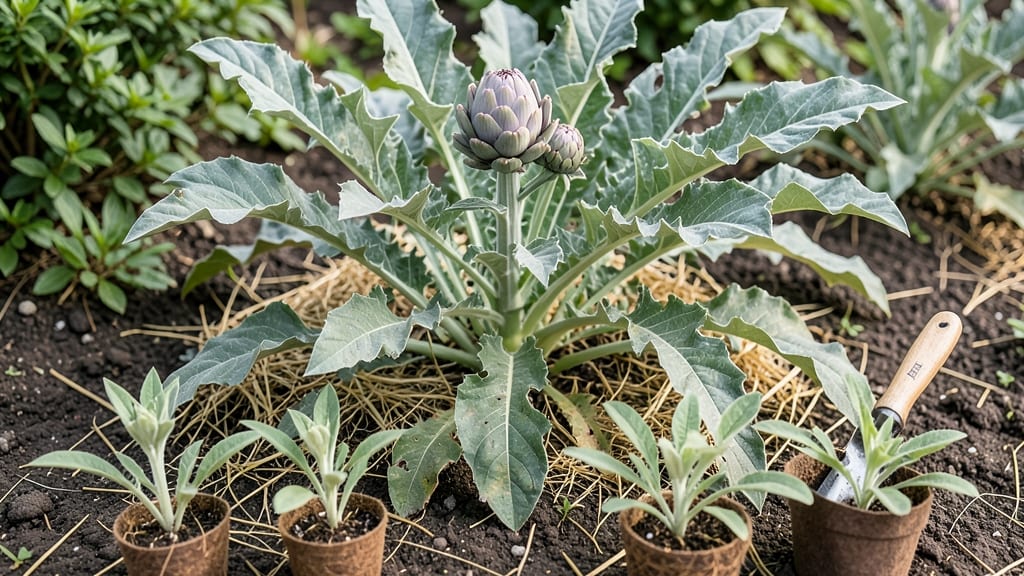
Planting artichokes in Arizona might seem tricky with those relentless summer sunbeams, but timing it right could mean the difference between a thriving 🌱 harvest and a sad, wilted disappointment. The key is to start them in the cooler months when the desert isn’t trying to bake them alive.
Most gardeners in USDA Zone 9b know that November through February is the sweet spot for planting artichokes. This window lets them establish strong roots before the heat ramps up, giving you the best chance for those prized, tender buds by spring. It’s all about beating the heat—literally.
If you’re new to growing artichokes, don’t worry—this guide will walk you through the exact steps to prep your soil, water them just right, and even pick the best varieties that can handle Arizona’s punishing sun.
You’ll learn how to turn your backyard into a thriving artichoke patch without the stress.
Ready to dive in? By the end, you’ll know not just when to plant, but how to keep your artichokes happy and productive all the way through harvest season. Let’s get those plants in the ground the right way!
Optimal Arizona planting windows for artichokes: month-by-month heat tolerance guide
Arizona’s USDA Zone 9b climate creates unique challenges for artichoke growers. Unlike cooler regions, timing is everything—plant too early, and your artichokes bolt from heat stress; too late, and they won’t mature before summer’s intensity.
The ideal planting window spans November through February, when daytime highs stay below 80°F and nights dip into the 40s-50s.
Artichokes thrive in cooler temperatures (50-70°F) and avoid extreme heat. In Arizona, this means fall and winter planting is non-negotiable. High-desert areas like Flagstaff (Zone 7b) can plant slightly earlier (October), while Phoenix (Zone 10a) must wait until December to avoid bolting.
Microclimates matter—elevated gardens cool faster than lowland deserts.
Here’s your month-by-month breakdown for Arizona’s diverse regions:
| Month | Best For | Temperature Range | Notes |
|---|---|---|---|
| November | Lowland & High Desert | 55-75°F | Soil temps ideal; minimal frost risk |
| December | All Regions | 45-65°F | Cold-hardy; protect from light frosts |
| January | Lowland Only | 50-70°F | Risk of bolting increases after mid-month |
| February | High Desert Only | 55-78°F | Last chance; expect summer heat by March |
Artichokes planted in November or December will produce harvest-ready buds by March-June, just as summer heat ramps up. This timing ensures plants establish deep root systems before facing Arizona’s 100°F+ temperatures.
Pro tip: Start seeds indoors 8-10 weeks before your target transplant date to give seedlings a head start.
If you’re in Zone 10a (Phoenix/Tucson), avoid planting before December—soil and air temps are still too warm, leading to bolting (premature flowering). Instead, focus on late-winter transplants and use shade cloth during peak summer to protect maturing plants.
High-desert growers (e.g., Sedona, Prescott) can push planting to early March due to cooler nights.
Watch for heat stress signs: yellowing leaves, stunted growth, or buds opening too soon. These are red flags that your artichokes are struggling with Arizona’s climate. Adjust by mulching heavily (3-4 inches of straw) and watering deeply in the morning to keep roots cool.
In extreme heat, even well-timed plants may reduce yield, but proper care maximizes survival.
For second-year plants, artichokes are perennial in Arizona if protected from winter frosts. They’ll re-sprout in spring and produce again if given consistent water and light fertilization. This makes fall planting even more valuable—you’re investing in a multi-year harvest rather than a one-time summer crop.
Remember: Artichokes hate heat, but they love Arizona’s long growing season when timed correctly. By planting in fall/winter and protecting plants through summer, you’ll enjoy homegrown artichokes for years—no wilting in sight! 🌱
Optimal Arizona planting windows for artichokes: month-by-month heat tolerance guide
Arizona’s USDA Zone 9b climate demands precise timing for artichoke planting—November through February offers the coolest, most forgiving conditions. Planting too early risks bolting (premature flowering), while waiting too long exposes young plants to 100°F+ heat, stunting growth or killing them outright.
Artichokes thrive in 50-70°F soil temperatures, making late fall (November) to early winter (February) ideal. Higher elevations (e.g., Flagstaff) can extend planting into March, while low deserts (Phoenix) should finish by January 15 to avoid heat stress.
Key temperature thresholds to watch:
- Below 32°F: Frost damage risk (cover plants if forecasted)
- 75-85°F: Optimal daytime growth range
- Above 90°F: Heat stress begins; growth slows dramatically
| Month | Planting Window | Soil Temp (°F) | Heat Risk |
|---|---|---|---|
| November | Ideal (cooler nights) | 55-65°F | Low |
| December | Best (stable temps) | 50-60°F | None |
| January | Last chance (low desert) | 55-65°F | Low (early Jan) |
| February | Risky (high temps) | 60-70°F | Moderate |
| March | High elevation only | 65-75°F | High |
⚠️ Pro Tip: Use row covers in March to delay heat stress by 2-3 weeks.
For low desert regions (Phoenix, Tucson), prioritize November planting—this gives plants a 120-day head start before summer heat peaks. In higher elevations (Sedona, Prescott), February-March works if you protect seedlings with shade cloth (30-50%) during daytime highs.
Artichokes planted in October may bolt prematurely due to warming soils, while April plantings rarely survive Arizona’s summer. Always check your last frost date (typically January 10 in most zones) and add 2-3 weeks as a buffer for safe germination.
Start seeds indoors 8-10 weeks before transplanting (e.g., September for November plantingseedling heat mats to ensure strong, heat-resistant starts. Harden off seedlings for 10-14 days before moving them outdoors to avoid transplant shock.
Monitor nighttime temperatures—artichokes need 55°F+ nights to thrive. If nights dip below 50°F, use row covers or cold frames to protect young plants until they establish deeper roots (4-6 weeks).