
Plants
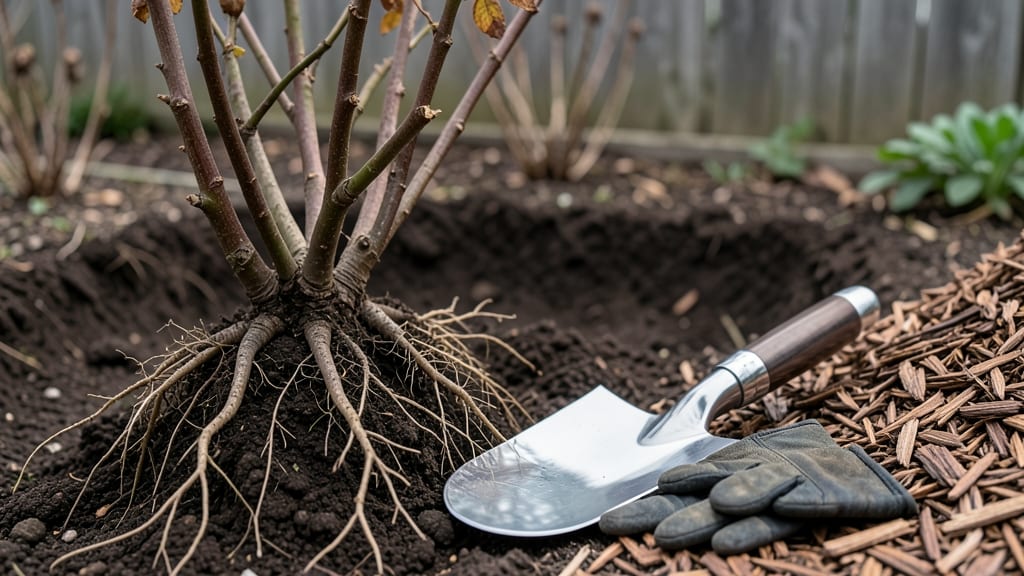
Optimal planting timeline for bare root roses in Zone 9
In Zone 9, where winters are mild and summers scorching, planting bare root roses at the right time ensures strong root growth before summer heat arrives. Unlike colder zones, you have a wider window—but timing still matters to avoid stress or poor establishment.
The best time to plant bare root roses in Zone 9 is during the cool, wet months of late fall through early spring. This aligns with natural dormancy cycles and minimizes heat stress, which can be deadly for newly planted roses.
Here’s the breakdown: November through February offers ideal conditions—soil stays cool, rainfall is more consistent, and roses can focus on root development rather than blooming. Planting in March or April is also acceptable but requires extra care to keep roots hydrated.
Avoid planting in summer months (May–October), when Zone 9’s intense heat and drought conditions create transplant shock. Even potted roses struggle in these conditions, so stick to the cooler seasons.
| Planting Window | Ideal Soil Temp (°F) | Key Conditions | Rose Variety Notes |
|---|---|---|---|
| Late Fall (Nov–Dec) | 50–60°F | Cool nights, moderate rainfall | Best for hybrid teas and climbers |
| Winter (Jan–Feb) | 45–55°F | Minimal frost risk, moist soil | Ideal for dwarf varieties and shrub roses |
| Early Spring (March–April) | 55–65°F | Warm days, increasing sunlight | Good for late-blooming varieties (e.g., Knock Out® roses) |
🌱 Pro Tip: Mulch heavily after planting to retain moisture and regulate soil temperature.
For Zone 9b (the cooler sub-zone), late fall planting in November is ideal because it gives roots time to establish before summer heat peaks. In Zone 9a (hotter), aim for December–January to avoid early heat stress.
If you must plant in early spring (March–April), choose overcast days and water deeply every 2–3 days to help roots acclimate. Avoid planting after April 15, as summer conditions become too harsh.
One common misconception is that Zone 9’s mild winters mean roses can be planted anytime. However, soil temperature is the real indicator—roots struggle to establish when soil exceeds 65°F. Use a soil thermometer to monitor conditions.
After planting, prune back canes by one-third to reduce water loss and encourage bushier growth. This is especially critical in Zone 9’s dry climates, where evaporation rates are high.
Finally, remember that bare root roses in Zone 9 need 6+ hours of sunlight daily, but afternoon shade helps in extreme heat. Plant in a location with morning sun and afternoon relief for best results.
Key factors that determine the best planting window in Zone 9
In Zone 9, the best time to plant bare root roses depends on three critical factors: soil temperature, rainfall patterns, and the dormancy cycle of roses.
Unlike colder zones, Zone 9’s mild winters mean roses won’t experience true dormancy, so timing focuses on avoiding heat stress and promoting root growth.
First, soil temperatures between 50°F and 60°F are ideal for root establishment. In Zone 9, this typically occurs in late fall (November-December) or early spring (February-March). Cooler soil helps prevent transplant shock while allowing roots to establish before summer heat arrives.
Next, rainfall patterns play a key role. Zone 9 often experiences dry spells, so planting when natural rainfall is more consistent—like late fall or early spring—reduces the need for supplemental watering.
This is especially important for bare root roses, which are more vulnerable to drought stress during early growth.
Finally, rose dormancy cycles influence timing. While Zone 9 roses don’t go fully dormant, they still benefit from a cool-season planting window.
Planting in late fall allows roots to establish before the spring bloom rush, while early spring planting ensures roses have time to harden off before summer’s intensity.
🌱 Critical Factors for Zone 9 Planting
- Soil Temperature: Aim for 50°F–60°F to prevent shock and encourage root growth. Use a soil thermometer to check before planting.
- Rainfall Timing: Plant when natural rainfall is higher (late fall/early spring) to reduce irrigation needs during critical root development.
- Rose Variety: Hybrid teas and climbers prefer cooler soil, while landscaper roses tolerate slightly warmer conditions.
- Microclimate: Coastal areas stay cooler longer; inland zones may need earlier fall planting to avoid summer heat.
- Post-Planting Care: Mulch heavily in Zone 9’s dry summers to retain moisture and regulate soil temperature.
For Zone 9 gardeners, the sweet spot is planting bare root roses in November or February. This aligns with cooler soil, adequate rainfall, and avoids the peak summer heat that can stress newly planted roses.
If you miss these windows, early spring (March) is the next best option, but be prepared to provide extra care during the transition to summer.
Pro tip: If you’re planting in late winter (February), choose a cloudy day to minimize stress. For fall planting (November), avoid planting too close to holiday water restrictions that may be in place in many Zone 9 regions.