
Plants
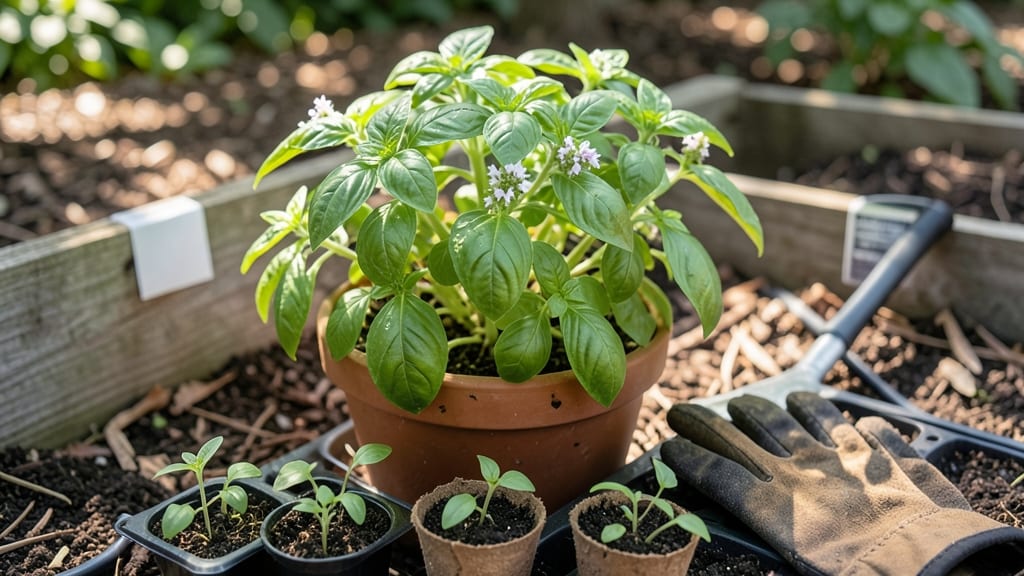
Timing your basil planting in Arizona isn’t just about the calendar—it’s about outsmarting the desert’s brutal heat before your plants bolt or wilt. Too early, and a rare frost could sneak in; too late, and you’ll miss the sweet spot for flavorful harvests.
The key? Planting when soil temps hit 50°F and days stay reliably warm—a tricky balance in USDA Zone 9b.
Most Arizona gardeners swear by late February to early March for their first batch, but heat-tolerant varieties like ‘Spicy Globe’ can handle 100°F+ temps if you give them afternoon shade.
That means your basil can thrive through April to September, giving you fresh leaves for pesto, salads, and more—without the stress of wilting under the midday sun.
Here’s the game-changer: a two-season strategy. Start with seedlings in February for early harvests, then succession-plant in May to avoid summer burnout. With the right prep—well-draining soil, drip irrigation, and mulch—you’ll turn Arizona’s heat into your basil’s superpower.
Ready to grow basil that actually survives (and thrives) in the desert? I’ll walk you through the exact steps, from soil prep to companion plants that keep pests away. Let’s get those 🌿 plants flourishing!
Best times to plant basil in Arizona (with heat-tolerant varieties)
Arizona’s 100°F+ summers make basil a tricky herb to grow, but timing is everything. The perfect window for planting basil in Arizona is late February through early April, when soil temperatures hit 50°F+ and frost risk vanishes.
This timing ensures your basil thrives before the brutal heat of June and July. In cooler high-desert areas like Flagstaff (USDA Zone 7), wait until mid-April to avoid late frosts.
For urban gardeners in Phoenix or Tucson (Zones 9b-10a), you can also plant basil in late summer (August-September) for a fall harvest. This second planting takes advantage of cooling temperatures and avoids the worst heat.
However, avoid planting after mid-September, as days shorten and basil struggles to mature before winter.
Not all basil varieties handle Arizona’s heat equally. Heat-tolerant types like ‘Spicy Globe’ and ‘Genovese’ thrive better than traditional varieties. These types can handle 95°F+ temperatures with proper care, including afternoon shade and consistent watering.
For extra protection, use 30-50% shade cloth during peak afternoon sun (12 PM–4 PM) to prevent bolting.
🌱 Did You Know? Basil planted in containers (like 12-inch pots) stays cooler and performs better in Arizona’s heat than in-ground plants. Containers also allow you to move plants to shadier spots during heatwaves.
| Planting Window | Best Varieties | Heat Protection | Notes |
|---|---|---|---|
| Late February–Early April | ‘Spicy Globe’, ‘Genovese’, ‘Sweet Basil’ | 30% shade cloth afternoons | Ideal for spring harvests |
| August–September | ‘Thai Basil’, ‘Lemon Basil’ | 50% shade cloth | Fall harvest before frost |
| Containers (Year-Round) | Dwarf varieties like ‘Mini Basil’ | Move to shade during heatwaves | Best for urban gardeners |
Arizona’s microclimates play a huge role in timing. In Phoenix and Tucson, where summers hit 110°F+, start basil seeds indoors in late January for transplanting outdoors by mid-March.
In Flagstaff or Prescott, where nights dip below 40°F, delay planting until after May 1 to avoid late frosts.
Soil temperature is critical—basil won’t germinate well in cold soil. Use a soil thermometer to confirm temps are 50°F+ before planting. If your soil is cooler, warm it with black plastic mulch laid 1–2 weeks before planting. This trick speeds up germination and helps basil establish faster.
For maximum flavor, aim to harvest basil between April and September. Plants grown in Arizona’s heat develop stronger essential oils, making them ideal for pesto or fresh salads.
However, avoid letting basil bolt (flower), as this makes leaves bitter. Regular harvesting (pinching off top leaves) keeps plants bushy and productive.
Pro tip: Pair your basil with tomatoes or peppers to improve growth and flavor. These companions deter pests and share similar water needs. Just avoid planting near rue or fennel, which stunt basil’s growth.
If you miss the spring window, don’t despair—fall planting is your second chance. By late August, daytime highs drop to 90°F or below, making conditions ideal for a second basil crop. Just be ready to harvest before December, as frost can damage tender leaves.
🌡️ Key Takeaway: Arizona basil success hinges on timing soil warmth, choosing heat-tolerant varieties, and protecting plants from midday sun. With these strategies, you’ll enjoy flavorful basil all summer long—even in the desert!
How to avoid common basil planting mistakes in Arizona’s climate
Arizona’s extreme heat and low humidity can turn basil from a flavorful staple into a wilting disaster if you don’t account for local challenges. The biggest mistake? Ignoring the soil temperature and watering needs during peak summer months.
Many gardeners assume basil thrives in heat, but without adjustments, it bolts prematurely or succumbs to root rot.
Another critical error is planting too early in cooler high-desert regions like Flagstaff (USDA Zone 7), where late frosts can still occur in March or April.
Even in Phoenix (Zone 10), poor drainage systems turn garden beds into soggy death traps. Let’s fix these with science-backed solutions tailored to Arizona’s microclimates.
For urban gardeners, container gardening solves multiple problems: better drainage, portability for shade, and protection from desert pests like whiteflies. Use pots with drainage holes and fill them with a 50/50 mix of potting soil and perlite. This combo prevents compaction while mimicking the well-draining conditions basil craves.
Mulching isn’t just for looks—it’s a lifesaver in Arizona. Apply 2-3 inches of straw or wood chips around your basil to:
- Retain moisture 30% longer during heatwaves
- Regulate soil temperature 5-10°F cooler than bare ground
- Suppress weeds that compete for water and nutrients
Even heat-tolerant varieties like ‘Spicy Globe’ need protection from midday sun (11 AM–3 PM). Use 30-50% shade cloth during June–August to prevent leaf scorch. For in-ground plants, position basil on the north or east side of taller plants like tomatoes or peppers to create natural shade.
Finally, resist the urge to fertilize during peak summer heat. Basil’s roots burn when exposed to high salt concentrations in fertilizers. Wait until September when temperatures drop below 95°F to apply a balanced 5-10-5 organic fertilizer.
This timing ensures your basil recovers from heat stress and stores energy for a second harvest wave in fall.