
Plants
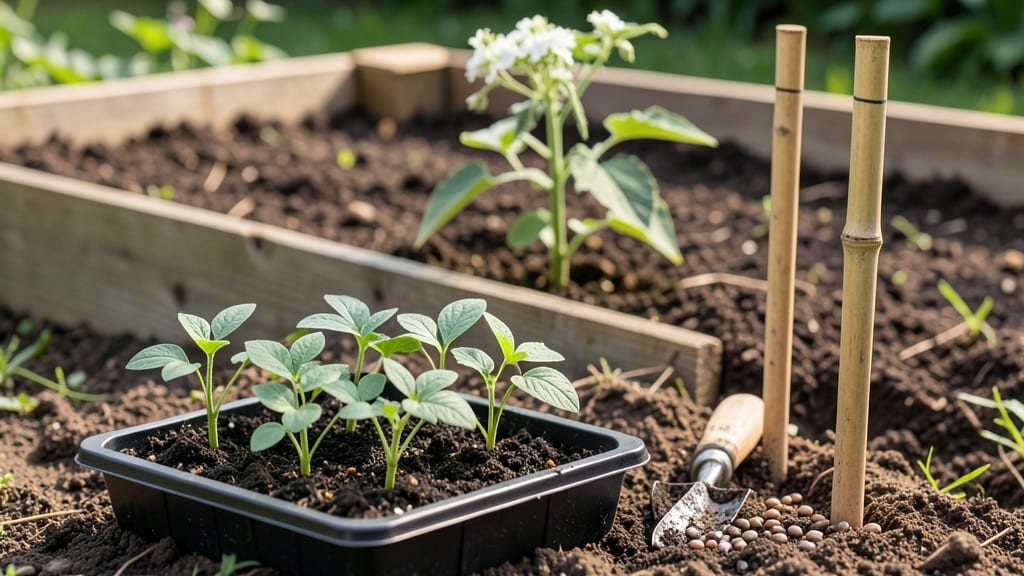
Timing your bean planting in North Carolina can mean the difference between a bountiful harvest and wasted effort. With the right schedule, you’ll enjoy fresh 🌱 pods from July through September—but get it wrong, and frost or heat will ruin your crop before it even starts.
North Carolina’s USDA zones 7a-8b give gardeners a long growing window, but the key is planting after your last frost (typically mid-March to mid-April) and before summer’s peak heat.
Whether you’re growing bush beans for quick harvests or pole beans for climbing vines, the 60°F soil temperature rule is your best friend.
I’ve tested the best varieties for NC’s climate—from heat-tolerant ‘Blue Lake’ to cold-hardy ‘Kentucky Wonder’—and I’ll show you exactly when to plant each for maximum success. No more guessing games, just proven strategies to turn your garden into a bean bonanza.
Ready to avoid common mistakes and get your beans in the ground at the perfect time? Let’s break down the frost-free timeline that works for your region, whether you’re in the Piedmont or the coast.
North Carolina bean planting timeline by USDA hardiness zones (5b-8a)
North Carolina’s diverse climate—from the coastal plains to the mountain regions—means frost dates vary by USDA zone. Most gardeners in Zones 6-8 can plant beans after April 15, but mountain areas (Zone 5b) should wait until May 1 to avoid late frosts.
The key is soil temperature: beans need 60°F+ soil to germinate properly.
For bush beans and pole beans, the primary planting window runs from April 15 to June 15. This ensures your plants mature before summer heat stress or fall frosts hit.
Coastal areas like Wilmington can start 2 weeks earlier (mid-April), while Asheville gardeners should hold off until May 10.
Here’s how to adjust your planting schedule based on your NC region and bean variety. The table below breaks down the best month-by-month windows, including soil temp thresholds and frost risks.
If you’re growing heirloom varieties like Scarlet Runner or Kentucky Wonder, extend your planting into early July for a fall harvest. These varieties tolerate cooler temps better and can produce pods until October in most of NC.
Just avoid planting after August 15 in the mountains, where first frosts arrive earlier.
For succession planting, sow new seeds every 2 weeks from April to June. This ensures a continuous harvest and reduces pest pressure from overcrowded plants. Use row covers if planting early to protect against late frosts or cold snaps.
One common mistake is planting beans too early when soil is still cold. Use a soil thermometer to confirm 60°F+ before sowing. If your soil is below 55°F, wait at least 1–2 weeks or use black plastic mulch to warm it faster.
In Zone 8b (coastal areas), you can even try a fall planting in early August for varieties like ‘Blue Lake Bush’. These beans will mature by October before first frosts hit. Just be sure to harvest before pods harden.
Pro tip: Mark your last frost date on your calendar and count 60–70 days backward to determine your latest planting window. This ensures your beans reach maturity before fall frosts.
Best bean varieties for North Carolina’s climate and how to time them
North Carolina’s diverse climate—from the coastal plains to the mountains—means you can grow beans in spring, summer, and even fall, but the key is choosing the right variety for each planting window. Cold-tolerant varieties like ‘Blue Lake Bush’ thrive in early spring, while heat-resistant types such as ‘Kentucky Wonder Pole’ shine in summer’s peak heat.
Even short-season varieties like ‘Scarlet Runner’ can produce in fall before frost hits.
For spring planting (March–April), focus on cold-hardy bush beans that germinate in 50–60°F soil. These include ‘Contender’ and ‘Tendergreen’, which handle light frosts and bolt less in fluctuating temperatures.
In contrast, summer plantings (May–June) should prioritize heat-tolerant pole beans like ‘Rattlesnake’ or ‘Blue Lake’, which withstand 90°F+ temperatures without wilting.
| Variety | Type | Planting Window | Days to Harvest | NC Climate Fit |
|---|---|---|---|---|
| Blue Lake Bush | Bush | April–May, August–September | 50–60 days | Spring/Fall |
| Kentucky Wonder Pole | Pole | May–June | 60–70 days | Summer Heat |
| Scarlet Runner | Pole (Ornamental) | April–May (or August) | 70–90 days | Spring/Fall |
| Contender | Bush | March–April (coastal) | 45–55 days | Early Spring |
| Rattlesnake | Pole | June–July | 65–75 days | Late Summer |
To extend your harvest, use succession planting: Sow bush beans every 2 weeks from April to July, or try a fall crop of ‘Provider’ or ‘Tendercrop’ in August for a late-season bounty.
Just remember, fall plantings need to mature before the first frost (mid-November), so stick to short-day varieties or use row covers to buy time.
Pro tip: Pole beans like ‘Kentucky Wonder’ save space and produce longer, but they need a trellis or sturdy support—install it at planting to avoid disturbing roots later. For bush beans, prioritize well-draining soil and consistent moisture to prevent blossom-end rot, a common issue in NC’s humid summers.
If you’re in the mountains (USDA Zone 6), aim for earlier plantings (March–April) to beat the shorter growing season, while coastal gardeners (Zone 8) can push into late summer (July–August) for a second crop.
Always check your local frost dates—NC’s vary wildly from March 15 in the Piedmont to April 15 on the coast.
For the best results, pair beans with companion plants like corn or cucumbers (they fix nitrogen in the soil) and avoid planting near onions or garlic, which stunt their growth.
With the right variety and timing, you’ll enjoy a steady harvest from June through October—just in time for fresh green beans, snap peas, and even dried beans for winter storage.
🌱