
Plants
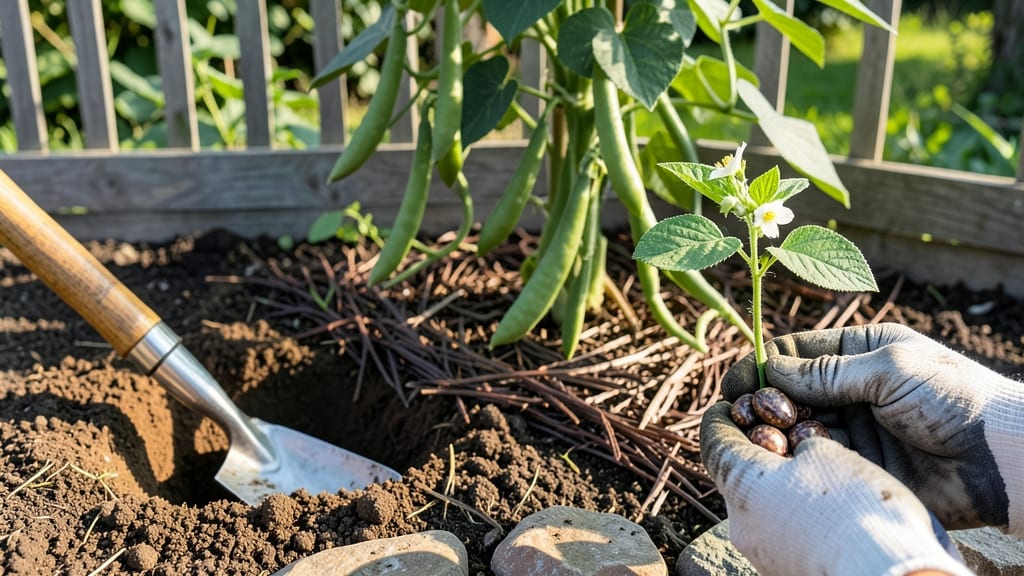
Timing your bean planting in Oklahoma isn't just about following a calendar—it’s about matching your county’s unique climate to get the most from your 🌱 harvest.
Whether you're in the cooler northern zones or the warmer southern regions, getting the planting window right means the difference between a thriving garden and a wasted effort.
Most gardeners know spring and fall are the best times, but Oklahoma’s 6a-8a zones create big variations.
Spring planting kicks off around March 15, but if you’re in a high-altitude area like Oklahoma City, you might want to wait until soil temperatures hit at least 60°F—usually by early April.
Fall plantings can stretch until September 15, but late starts risk heat stress before the first frost.
Beyond dates, there’s the art of reading your soil and sky. A late frost in northern counties could wipe out early beans, while southern Oklahoma’s humidity demands faster-maturing varieties.
I’ll show you how to adjust your planting schedule based on your exact location, so you can avoid common pitfalls and maximize your yield.
Ready to turn your garden into a bean bonanza? Let’s break down the exact steps—from soil prep to companion planting—to make sure your beans thrive from seed to harvest, no matter where you are in the state.
Oklahoma bean planting calendar: frost-free dates by county for bush and pole beans
Planting beans in Oklahoma requires precision—especially since the state spans USDA Zones 6b to 8a. In northern counties like Blaine (Zone 6b), late frosts can linger until April 15, while southern areas like Choctaw (Zone 8a) may see frost-free conditions as early as February 20.
Matching your planting window to these regional differences ensures your bush beans (e.g., Blue Lake) and pole beans (e.g., Kentucky Wonder) thrive.
For most of Oklahoma, the ideal planting window is between March 15 and May 15 for spring crops and August 1 to September 15 for fall harvests.
However, high-altitude areas like Oklahoma City (Zone 7a) should wait until April 1 to avoid frost damage, while Tulsa (Zone 7b) can start as early as March 25. Soil temperature is your best guide—wait until it reaches at least 60°F before sowing.
Here’s a quick breakdown of frost-free dates by region to help you plan:
| Region | USDA Zone | Last Frost (Avg.) | Spring Planting Window | Fall Planting Window |
|---|---|---|---|---|
| Northern (Blaine, Major) | 6b | April 15 | May 1 - June 1 | August 15 - Sept 1 |
| Central (Oklahoma City) | 7a | April 1 | April 15 - May 15 | August 1 - Sept 10 |
| Southeast (Tulsa, Muskogee) | 7b | March 25 | March 25 - April 30 | July 20 - Sept 15 |
| Southwest (Lawton, Altus) | 7b-8a | March 15 | March 15 - April 15 | July 15 - Sept 1 |
| Southeast (Idabel, Hugo) | 8a | February 20 | February 20 - April 1 | July 1 - Sept 30 |
Pole beans like Kentucky Wonder need extra time to mature, so plant them 2-3 weeks earlier than bush beans in cooler zones. For example, in Oklahoma City (Zone 7a), start pole beans around April 1 and bush beans by April 15.
In warmer southern zones, you can even sow succession crops every 2 weeks for a continuous harvest.
Always check your local cooperative extension office for updates, as microclimates—like urban heat islands in Tulsa—can shift frost dates by 1-2 weeks. Use a soil thermometer to confirm readiness; beans won’t germinate well in soils below 60°F, even if frost risk has passed.
For fall plantings, aim to harvest before first frost (mid-November). In Zone 6b, stop planting by September 1, while Zone 8a gardeners can extend harvests until October 31. Use black plastic mulch to warm soil in early spring or extend fall seasons by 2-3 weeks.
Pro tip: Plant bush beans in rows for easier harvests, while pole beans thrive on trellises to save space. Stagger plantings every 10-14 days to ensure a steady supply of fresh pods all season.
Remember, beans are heat-sensitive—avoid planting after June 15 in most of Oklahoma to prevent flower drop from extreme summer heat. If temperatures exceed 90°F for more
How to adjust planting times for Oklahoma’s unpredictable weather patterns
Oklahoma’s weather can shift from unexpected late frosts to scorching heatwaves faster than you can say "garden harvest." If you’ve ever planted beans only to watch them wilt under sudden 100°F+ temperatures or freeze after a March cold snap, you’re not alone. The key to success? Flexible planting strategies that account for Oklahoma’s volatile climate. Start by checking soil temperatures—beans need at least 60°F soil to germinate. Use a soil thermometer or wait until mid-April for most regions, but in northern Oklahoma (like Ponca City), push planting back to late April or early May to avoid frost. For fall plantings, aim for early August to harvest before the first frost hits in mid-November.Staggered Planting: Sow seeds in 2-week intervals to extend harvests. For example, plant half your seeds in late April and the rest in early May to avoid losing everything to a single heatwave.
Mulching: Use straw or black plastic mulch to keep soil temps stable. Mulch also suppresses weeds and retains moisture during Oklahoma’s dry spells.
Shade Cloth: For summer plantings, use 30% shade cloth to protect young plants from intense afternoon sun.
Adjust for Altitude: High-altitude areas (like Oklahoma City) may need 1-2 weeks later than southern regions (e.g., Tulsa) due to cooler nights.