
Plants
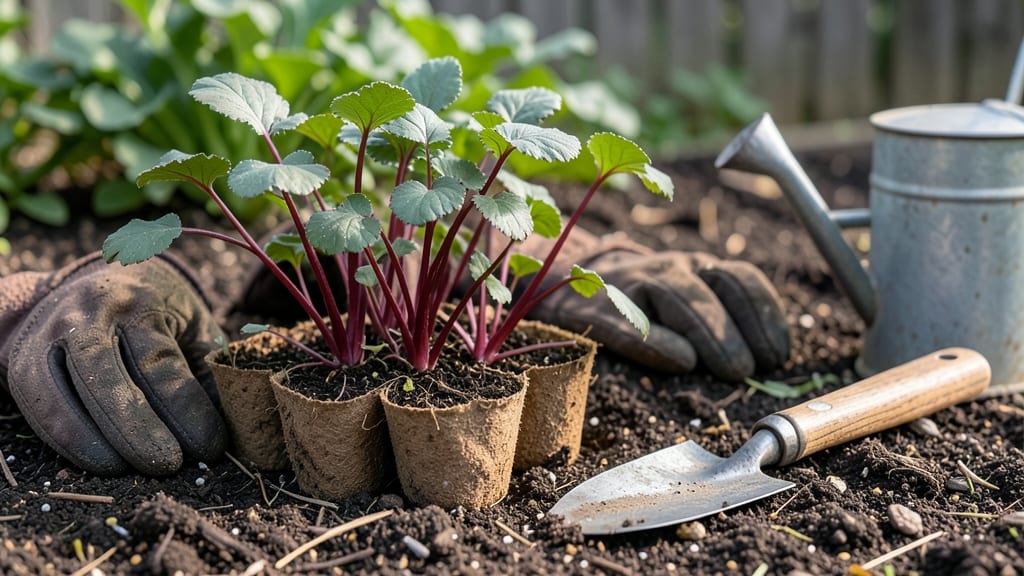
Best months to plant beets in Central Florida (with heat-tolerant variety guide)
Central Florida’s Zone 9 climate demands a different approach to growing beets than northern states. Most gardeners assume spring planting, but here, the fall and winter seasons are your golden windows.
The key? Avoiding 90°F+ temperatures, which trigger bolting (premature flowering). I’ve grown beets in Orlando for years, and I’ve learned which varieties and timing work best.
Beets thrive when soil temperatures stay between 50°F and 75°F. In Central Florida, that means focusing on September through November for fall crops and February through March for spring.
Summer planting is a gamble—unless you’re using heat-tolerant varieties with shade protection. Let’s break down the science behind these windows and the varieties that perform best.
🌱
| Season | Best Planting Window | Heat-Tolerant Varieties | Key Considerations |
|---|---|---|---|
| Fall | September 15–November 15 | Detroit Dark Red, Boltardy, Chioggia | Soil temps drop below 80°F; avoid late November if frost risk exists |
| Winter | December 1–January 15 | Golden Beet, Detroit Dark Red | Slow growth; use row covers for cold snaps (rare in Central FL) |
| Spring | February 15–March 15 | Boltardy, Ruby Queen | Critical window before soil heats up; mulch to retain moisture |
| Summer | August (with shade) | Boltardy, Early Wonder | Only attempt with 50% shade cloth and daily watering |
Why these months? Central Florida’s long, hot summers (June–August) push soil temps above 85°F, causing beets to bolt or develop woody roots. The fall window is ideal because days shorten, reducing stress on the plants.
For spring, I start seeds indoors in late January to transplant by mid-February, giving them a head start before the heat arrives.
Pro tip: If you’re determined to grow beets in summer, focus on Boltardy or Early Wonder varieties. These tolerate higher temps better than traditional types.
Pair them with drip irrigation and 50% shade cloth to improve survival rates. I’ve had success with this method in June, though yields are smaller.
Another critical factor is daylight length. Beets need 12–14 hours of daylight to mature properly. In Central Florida, daylight peaks in June (14+ hours) and drops to 10.5 hours in December.
This is why winter planting slows growth—your beets will take 60–70 days to mature compared to 45–55 days in fall.
For succession planting, I recommend sowing seeds every 2–3 weeks during the fall window. This ensures a steady harvest before the January heat wave (yes, Central Florida gets hot even in winter!).
Space seeds 1 inch apart and thin to 3–4 inches when seedlings are 2 inches tall. Thinning is crucial—crowded beets develop small, misshapen roots.
🌿
One mistake I see often is planting beets too early in August. While soil temps may be ideal, the humidity and fungal pressure spike during Florida’s rainy season. If you must plant early, use raised beds with sterilized soil to reduce disease risk.
I’ve also had success with container growing in August, using 5-gallon pots filled with cactus/succulent mix for excellent drainage.
Finally, don’t overlook soil preparation. Central Florida’s sandy soils drain too quickly for beets. Amend with 2–3 inches of compost and a 1-inch layer of organic mulch (straw or shredded leaves) to retain moisture.
I test my soil’s pH annually—beets prefer 6.0–7.0. If your soil is too acidic, add pelletized lime in the fall.
Central Florida beet planting calendar: exact dates by season (avoid bolting & heat stress)
Central Florida’s warm winters and long growing season create unique challenges for beet lovers. Unlike northern climates, we can’t rely on frost dates—so I’ve mapped out month-by-month deadlines to avoid heat stress and premature bolting.
The key? Plant when soil temps stay below 80°F and days are shorter than 12 hours of sunlight.
Your best planting windows are late summer (August-September) for fall harvests and early spring (February-March) for spring crops. Summer planting? Only attempt it with shade cloth and daily watering—otherwise, your beets will bolt faster than you can say “Florida heatwave.”
Here’s your actionable month-by-month guide for Central Florida. I’ve included soil prep tips and warning signs to catch problems early. For example, in August, plant Boltardy varieties—these are the most heat-tolerant and won’t bolt as quickly as traditional types.
For direct sowing, aim for soil temperatures below 75°F. Use a soil thermometer to check—if it’s hotter, wait or use shade cloth. Transplanting? Do it in the early morning or late afternoon to reduce transplant shock. Mulch immediately with straw or leaves to keep roots cool.
Watch for these red flags: yellowing leaves (nutrient deficiency), puffy white growths (powdery mildew), or bolting stems (too much heat). If you see bolting, harvest what you can immediately—the roots will become woody and tough.
For succession planting, sow new seeds every 2-3 weeks in fall or spring to extend your harvest.
Pro tip: Use row covers in spring (March-April) if temps creep above 85°F. They create a microclimate that keeps beets cool and happy. Just remove them during rainy periods to prevent rot.
Your last chance for a summer crop? Try mid-August with heavy mulch and drip irrigation—but expect smaller yields.