
Plants
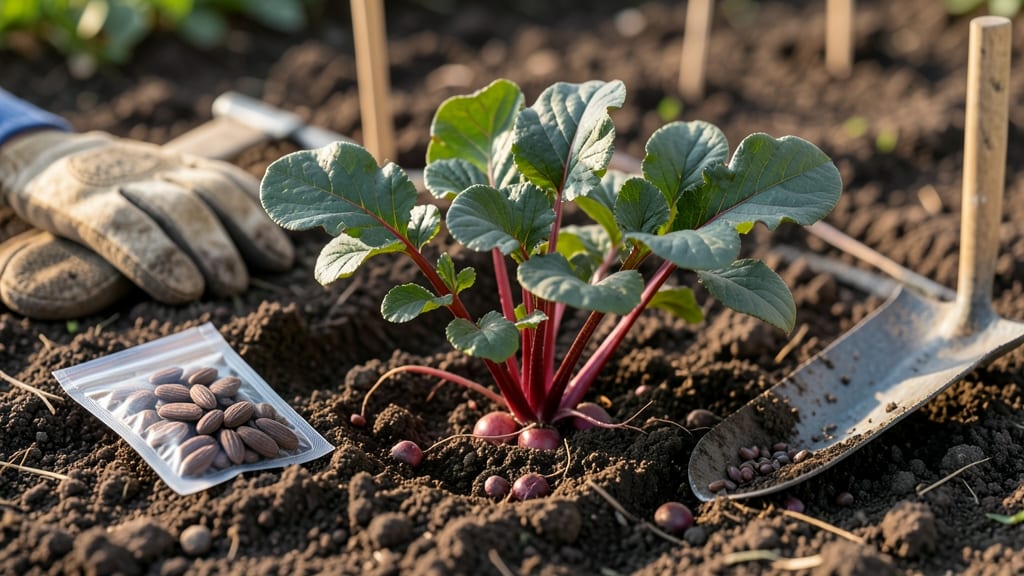
Knowing when to plant beets in Seattle can mean the difference between juicy, tender roots and tough, bitter failures—especially with our unpredictable mix of rain and sunshine. The 🍠 thrives in cool weather, but timing is everything in Zone 8a, where frost can sneak up faster than you’d expect.
Most Seattle gardeners get their best harvests by planting in early spring, typically between mid-March and early April, about 4-6 weeks before the last frost. But don’t stop there—late summer plantings in August can stretch your harvest into fall, giving you fresh beets well into September.
Here’s the secret: Puget Sound areas stay cooler longer than inland spots, so adjust your schedule accordingly. Whether you’re a first-time gardener or a seasoned green thumb, I’ll walk you through the exact windows, soil prep, and microclimate tweaks to maximize your beet yield.
Ready to grow the sweetest, most flavorful beets Seattle has to offer? Let’s dive into the perfect planting schedule and avoid the common mistakes that trip up local gardeners.
Seattle’s ideal beet planting windows: month-by-month cool-season guide
Beets thrive in Seattle’s cool, moist climate, but timing is everything. Plant too early, and you’ll face frost damage; too late, and your harvest turns woody and bitter.
The sweet spot? Spring and fall, when soil temps hover between 45°F and 80°F—ideal for germination and growth.
Seattle’s USDA Zone 8a/8b means we enjoy a long growing season, but microclimates vary. Areas near the Puget Sound stay cooler longer, while the Eastside warms up faster. Adjust your schedule accordingly to avoid common pitfalls like bolting (premature flowering) or stunted growth.
Here’s your month-by-month planting guide, tailored to Seattle’s frost dates and soil conditions. Use this as your roadmap to sweet, tender beets all season long.
For Puget Sound gardens, delay spring planting by 1–2 weeks due to cooler coastal air. Conversely, Eastside gardeners can push fall plantings into early October—just cover seedlings if frost threatens. Always check soil temperature with a probe; beets won’t germinate below 45°F.
Pro tip: Direct-sow seeds (don’t transplant seedlings) for faster, hardier beets. Seattle’s clay soil drains poorly, so amend with compost and sand to prevent rot. Aim for 6+ hours of sun daily, but partial shade helps in summer heatwaves.
Harvest timing matters too! Beets ready in 50–70 days, but smaller roots (1–2 inches) are sweeter. Use a hand fork to loosen soil and avoid damaging roots. Save seeds from your best fall beets—they’ll adapt perfectly to Seattle’s climate next year.
🌱
Seattle’s ideal beet planting windows: month-by-month cool-season guide
Seattle’s cool maritime climate creates two perfect windows for growing sweet, tender beets: early spring and late summer. Unlike hotter climates, we can avoid the bolting (flowering) that turns beets woody. The secret? Planting when soil temps hit 40–50°F and days stay below 75°F.
For most of Seattle (USDA Zone 8a/8b), aim to sow seeds 4–6 weeks before your last frost—typically mid-March to early April. This gives beets time to mature before summer heat arrives.
Inland areas like Kenmore or Carnation can plant slightly earlier (late February), while Puget Sound edges may wait until early April due to slower warming.
📅 Seattle Beet Planting Calendar
| Season | Planting Window | Soil Temp | Frost Risk | Harvest Time |
|---|---|---|---|---|
| Spring | Mid-March to early April | 40–50°F | Low (after last frost) | June–July |
| Late Summer | Mid-August to early September | 50–60°F | Moderate (first frost risk) | October–November |
| Fall (Risky) | Late September (only for fast varieties) | 50–60°F | High (frost likely) | Before first frost |
Your late-summer planting (mid-August to early September) gives beets time to mature before first frost (typically mid-November). Choose fast-maturing varieties like 'Detroit Dark Red' (50 days) or 'Gold' (45 days) for this window. If you push planting into September, use frost blankets to protect seedlings.
Seattle’s acidic, clay-heavy soil loves beets, but amend with compost to improve drainage. Test your soil’s pH (6.0–7.0 ideal)—Seattle’s natural acidity can stunt growth. Work in aged manure or worm castings 2 weeks before planting to give roots a nutrient boost.
Pro tip: Direct-sow seeds (don’t transplant seedlings)—beets hate root disturbance. Scatter seeds ½-inch deep, 1-inch apart, and thin to 3–4 inches when seedlings hit 2–3 inches tall. This spacing prevents crowding, which leads to small, misshapen roots.
For Puget Sound gardeners, coastal breezes mean cooler soils—wait until April 1 to plant. Inland areas can start 2 weeks earlier (late March) since they warm faster. Always check soil temp with a probe—40°F+ is your green light.