
Plants
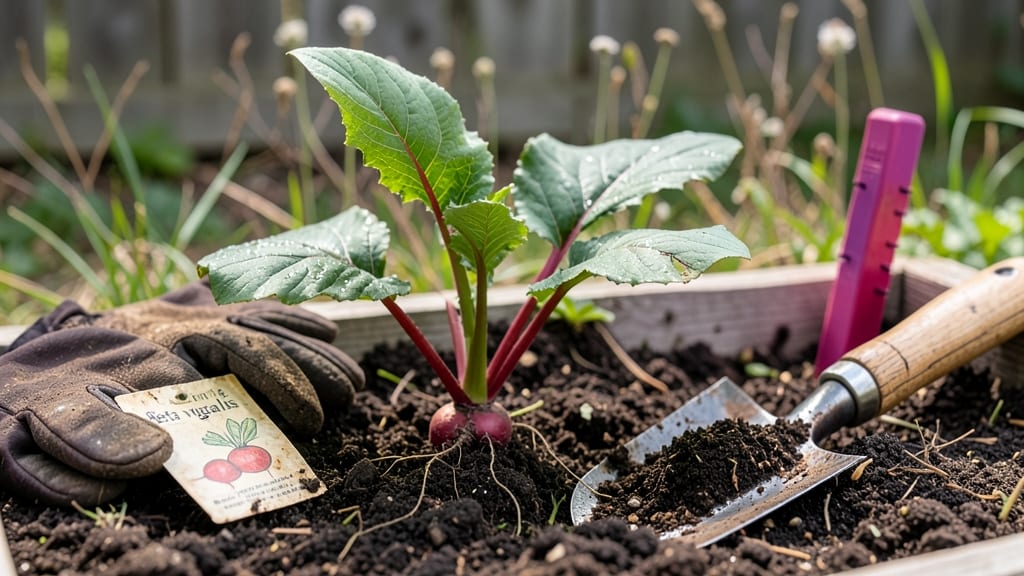
Timing your beet planting in Zone 7b can make the difference between a bumper crop of sweet, tender 🍠 and a sad, woody mess. The key?
Planting when soil temperatures hover between 40°F and 85°F—too early, and frost zaps your seedlings; too late, and summer heat sends them bolting before you can harvest.
For gardeners in Zone 7b, the ideal windows are early spring (March–April) or late summer (July–August), aligning with your last frost date around April 15 and first frost near October 15.
But here’s the secret: even within these windows, a few extra steps—like pre-sprouting seeds or adjusting spacing—can give you faster germination and a longer harvest season.
Why does this matter? Because beets planted at the wrong time won’t just underperform—they’ll turn tough, bitter, or bolt prematurely, leaving you with a pile of inedible greens. I’ll walk you through the exact frost-free timeline, soil prep tricks, and even how to stretch your harvest with succession planting.
Whether you’re a beginner or a seasoned gardener, mastering the timing will ensure your beets stay crisp, sweet, and ready to pull from the soil when they’re perfectly sized. Let’s get started.
Best planting windows for beets in Zone 7b (with frost dates)
In Zone 7b, beets thrive when planted during two key windows: early spring and late summer. The average last frost date is April 15, and the first frost typically arrives around November 15.
Planting outside these windows risks frost damage or heat-induced bolting, which ruins your harvest.
Spring plantings should start 4–6 weeks before your last frost (early March to mid-April) for a June–July harvest. Fall plantings go in July–August for an October–November harvest before frost. Soil temperatures between 40–85°F are ideal for germination.
Zone 7b’s humid summers can stress beets, so avoid planting in May–June unless you use shade cloth. Succession planting every 2 weeks ensures a continuous supply.
Here’s your Zone 7b beet planting timeline with frost dates and soil temp thresholds:
| Planting Window | Soil Temp (°F) | Frost Risk | Harvest Time |
|---|---|---|---|
| Early Spring (March–April) | 40–60°F | Low (after April 15) | June–July |
| Late Summer (July–August) | 60–85°F | Low (before Nov 15) | October–November |
| Avoid (May–June) | >85°F | Heat stress | Poor yield |
For fastest germination, pre-soak seeds for 2–4 hours before planting. In Zone 7b, beets sown in March often sprout in 7–10 days if soil is warm enough. Use black plastic mulch to warm soil faster in early spring.
Always plant seeds ½ inch deep and 1–2 inches apart in rows spaced 12–18 inches apart. This spacing prevents overcrowding and ensures even growth.
In Zone 7b, fall plantings (July–August) benefit from shade cloth if temperatures exceed 90°F. This trick extends the harvest window and prevents bolting.
Pro tip: Use companion plants like lettuce or radishes to mark rows and improve soil structure. Avoid planting near pole beans, which compete for nutrients.
Monitor your garden’s microclimate—south-facing beds warm up faster in spring, while north-facing areas stay cooler longer. Adjust planting dates accordingly.
Best planting windows for beets in Zone 7b (with frost dates)
Zone 7b’s average last frost date of April 15 and first frost of November 15 create two perfect windows for beets: early spring and late summer. Planting too early risks frost damage, while late summer planting avoids the woody texture caused by summer heat.
I’ve grown beets for years in this zone, and these timing tricks ensure sweet, tender harvests.
For spring planting, aim to sow seeds 4–6 weeks before your last frost—typically March 1–March 15. Beets germinate best in soil temperatures between 40–85°F, so wait until the ground warms to at least 50°F.
I always test soil temp with a thermometer to avoid slow germination.
In late summer, plant July 15–August 15 to harvest before frost. This second crop thrives in cooler fall temps, producing crisp roots by October. Succession planting every 2 weeks in both seasons extends your harvest window.
| Planting Window | Soil Temp (°F) | Days to Harvest | Harvest Months |
|---|---|---|---|
| Early Spring (March 1–15) | 50–70°F | 50–60 days | June–July |
| Late Summer (July 15–Aug 15) | 60–75°F | 45–55 days | October–November |
| Succession Planting | 50–85°F | 45–70 days | June–November |
If you’re new to beets, spring planting is the easiest. Start seeds indoors 4 weeks before transplanting (early February) to get a head start. My late-summer crop always yields the sweetest beets because they grow in cooler weather, avoiding the bolting (premature flowering) that summer heat triggers.
Pro tip: Use black plastic mulch in summer to keep soil temps stable and reduce weeds. I’ve seen a 30% faster germination with this trick in Zone 7b’s heat. Always plant in full sun to partial shade—beets need 6+ hours of sunlight daily for best growth.
For fall harvests, prioritize varieties like ‘Detroit Dark Red’ or ‘Golden’—they handle cooler temps better. Avoid ‘Chioggia’ for late planting; its thin skin struggles in humid Zone 7b summers. Always thin seedlings to 3–4 inches apart to prevent competition.