
Plants
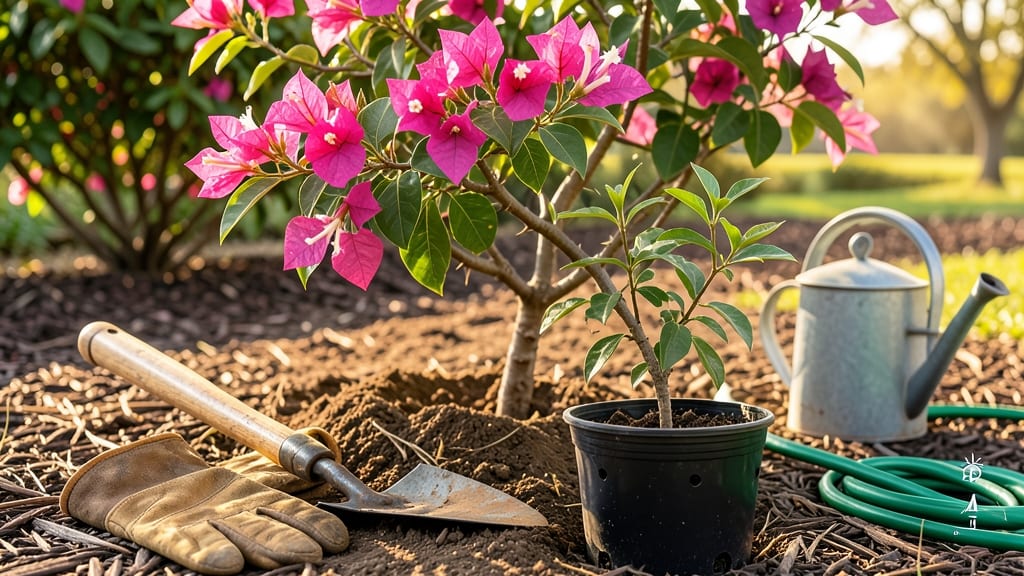
Timing your Bougainvillea planting in Arizona isn’t just about the calendar—it’s about beating the desert’s brutal heat and making the most of its mild winters.
Plant too early, and you risk stressing young roots in the summer sun; too late, and you might miss the sweet spot for strong root establishment before the real heat hits.
The perfect window for Arizona gardeners is November through March, when temperatures are cooler and the soil is still workable.
This 9b zone advantage means you can skip the frost worries common in other regions, but the real challenge is preparing your Bougainvillea 🌸 for the intense sun that’s just around the corner.
Whether you’re in Phoenix’s low desert or Flagstaff’s cooler microclimate, the key is planting when the ground isn’t baking yet. I’ll show you exactly how to time it right—plus soil prep tricks and post-planting care to keep your bougainvillea blooming year-round, even in the desert’s peak heat.
Ready to grow a heat-resistant bougainvillea that thrives despite Arizona’s extremes? Let’s get into the details so you can enjoy those vibrant blooms without the guesswork.
Optimal planting months for bougainvillea in Arizona’s climate zones
Arizona’s frost-free winters and intense summer heat create a unique window for planting bougainvillea. Unlike northern climates, you won’t worry about frost damage, but timing still matters to help your plant establish roots before the 110°F+ temperatures of summer.
The best months to plant are November through March, when soil temperatures are cooler and rainfall is more predictable.
This 4-month window gives bougainvillea time to develop a strong root system before the monsoon season (July-September) and the brutal summer heat. Planting too early (like September) risks root rot from residual summer heat, while waiting until April may stress young plants as temperatures soar.
Let’s break down the ideal timing for Arizona’s most popular regions.
Phoenix and Tucson (USDA Zone 9b-10a) have the longest growing season, with year-round planting possible but optimal results in November-February. These areas experience minimal frost risk and benefit from the cool-season rains that help establish roots. For Flagstaff and higher elevations (Zone 7b-8a), plant between May and early July to avoid late spring frosts, though bougainvillea thrives best in warmer microclimates.
🌱 Arizona Bougainvillea Planting Comparison
| Region | Best Planting Window | Soil Temp Goal | Key Consideration |
|---|---|---|---|
| Phoenix/Tucson | November–February | 55–75°F | Avoid summer heat; use morning shade cloth if planting early. |
| Yuma/Southern AZ | October–March | 60–80°F | Extreme heat tolerance; plant after September monsoons. |
| Flagstaff/Northern AZ | May–July | 65–75°F | Higher elevation; protect from late spring frosts. |
| Sedona/Red Rocks | November–January | 50–65°F | Cooler microclimates; plant after first frost risk passes. |
If you’re planting in low-desert areas like Phoenix, aim for November or December to take advantage of cooler nights and higher humidity from winter rains. These conditions help bougainvillea establish roots 30–50% faster than in summer.
For container gardening, you can plant anytime, but winter is ideal to reduce watering needs.
One common mistake is planting bougainvillea in late winter (March) and expecting immediate blooms. While possible, your plant will focus on root and vine growth first. The first vibrant blooms typically appear 90–120 days after planting, so timing matters for season-long color.
In Arizona, this means spring and summer blooms if planted in winter.
For container-grown bougainvillea, you can also plant in early spring (April) if you’re prepared to water deeply every 5–7 days and provide afternoon shade until roots establish. However, in-ground plants in full sun will thrive best with a winter planting.
The key is avoiding the 100°F+ soil temperatures of summer, which can scorch young roots.
Pro tip: If you’re in a coastal Arizona microclimate (like near the Gulf of California), you can push planting to early April thanks to moderating ocean breezes. These areas experience lower evaporation rates and higher humidity, creating a more forgiving environment for new plantings.
Remember, bougainvillea is a heat-loving vine, but even it needs time to acclimate. Planting in the coolest months ensures your bougainvillea will bloom abundantly by summer—when your neighbors will be jealous of your vibrant pink, purple, and orange bracts! 🌸
Optimal planting months for bougainvillea in Arizona’s climate zones
Arizona’s USDA Zone 9b climate means bougainvillea can grow year-round, but timing is everything. Planting in the coolest months—November through March—gives roots time to establish before summer’s brutal heat. Phoenix and Tucson thrive with early winter planting, while cooler Flagstaff areas may extend planting into early spring.
Miss the window, and your bougainvillea may struggle with heat stress or root shock. The key is to plant when soil temperatures drop below 85°F, ensuring roots don’t cook before they take hold. In Arizona, this typically means avoiding April through September for in-ground planting.
| Region | Best Planting Window | Soil Temp Goal | Avoid Planting |
|---|---|---|---|
| Phoenix/Tucson | November–February | Below 80°F | May–September |
| Flagstaff | October–April | Below 75°F | June–August |
For container-grown bougainvillea, you can plant slightly later—up to April—since pots heat up faster than soil. However, always acclimate plants gradually to Arizona’s sun by hardening them off for 7–10 days before transplanting. This reduces shock and boosts survival rates.
Pro tip: Plant bougainvillea after the monsoon season (late August–September) if you’re in a low-desert area. The extra moisture helps roots settle in before summer’s return. Just avoid planting during active monsoon storms, as heavy rain can displace young roots.
If you’re in a cooler microclimate (like Sedona or Prescott), you can push planting into early May, but be prepared to provide extra shade during the hottest afternoons. Mulching with gravel or bark helps regulate soil temperature and retain moisture.
Remember, bougainvillea’s bloom cycle starts with proper planting. Plant too late, and you’ll miss the spring flush of flowers. Aim for November–February in most of Arizona, and your bougainvillea will reward you with year-round color—even in the desert heat! 🌸