
Plants
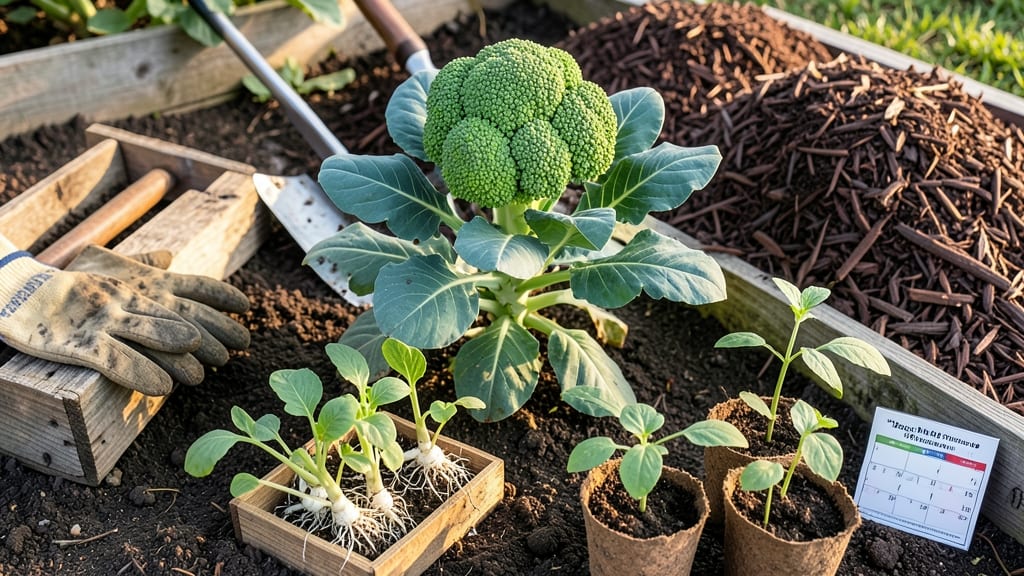
Timing your broccoli planting in Indiana can mean the difference between a bountiful harvest and wasted effort. With Indiana's Zone 6a climate, getting those dates just right ensures your 🥦 thrives through spring's cool nights and avoids summer's scorching heat.
Most gardeners here know the struggle: plant too early, and frost zaps your seedlings. Wait too long, and summer's heat sends broccoli bolting before you even get a head.
The key is working with Indiana's frost-free window—typically between March 15 and April 15 for spring, and August 1 to September 1 for fall.
But here's what most guides won't tell you: soil temperature matters just as much as calendar dates. Cold soil can stall germination, while warm soil speeds it up—sometimes too fast.
I'll break down exactly how to adjust your planting schedule based on your microclimate, whether you're in northern Indiana's cooler pockets or the southern regions where springs arrive earlier.
Let's dive into the frost-date timeline that actually works for Indiana gardeners, plus pro tips to stretch your harvest season and avoid common pitfalls that leave plants struggling. Your next successful 🥦 crop starts with these timing secrets.
Indiana broccoli planting calendar: frost dates and optimal windows
Indiana’s Zone 5-6 climate offers two prime windows for growing broccoli: early spring and late summer/fall. These periods align with the plant’s cool-season preferences and avoid the sweltering summer heat that can cause bolting.
Understanding your last frost date (April 15) and first frost date (October 15) is key to timing your plantings for success.
For spring plantings, aim to transplant 4-6 weeks before your last frost. This means starting seeds indoors around March 1-15 or buying transplants in mid-to-late March. Fall plantings should begin 90-100 days before the first frost, translating to August 1-September 1 for direct sowing or transplants.
These windows ensure your broccoli matures before summer’s heat or winter’s chill sets in.
Indiana’s microclimates can vary significantly. Southern Indiana (Zone 6b) may have 1-2 weeks earlier frost dates than northern Indiana (Zone 5a). Always check your local USDA zone and monitor soil temperatures, which should be at least 40°F (4°C) for planting.
Here’s a quick reference for Indiana’s broccoli planting calendar, including frost dates and optimal transplanting windows:
| Season | Planting Window | Transplant Date | Frost Consideration |
|---|---|---|---|
| Spring | March 15 - April 15 | April 1-15 (after last frost) | Avoid transplanting before April 15 |
| Fall | August 1 - September 1 | August 15-September 15 | Plant 90-100 days before first frost |
| Soil Temp | 40°F (4°C) minimum | N/A | Use a soil thermometer |
| Harvest Window | June-July (spring) | October-November (fall) | Before heads bolt |
If you’re starting seeds indoors, begin 6-8 weeks before transplanting to give seedlings enough time to develop. Use grow lights if natural light is limited, as broccoli needs 12-14 hours of light daily for strong growth.
For direct sowing, plant seeds ¼ inch deep and keep soil moist until germination, which typically occurs in 7-14 days at optimal temperatures.
Indiana’s clay-heavy soils can slow drainage, so amend your garden beds with compost or aged manure to improve fertility and structure. Aim for a pH of 6.0-7.0, as broccoli thrives in slightly acidic to neutral soil. Test your soil in early spring to address any deficiencies before planting.
For gardeners in northern Indiana (Zone 5a), err on the side of planting 1-2 weeks later than the recommended dates to account for later frost risks. In contrast, southern Indiana (Zone 6b) gardeners can push planting dates 1-2 weeks earlier to take advantage of longer growing seasons.
Always monitor local weather forecasts for unexpected frost or heatwaves.
Pro tip: Use row covers or cold frames to extend your planting window by 2-3 weeks in early spring or late fall. These protective measures can shield young plants from light frosts (28-32°F) and help you get an earlier start or later harvest.
Just remove covers during the day to prevent overheating.
Finally, choose fast-maturing varieties like ‘Waltham 29’ or ‘Calabrese’ for Indiana’s shorter growing season. These varieties typically mature in 50-70 days, giving you a better chance of harvesting before summer heat or winter frost interferes.
Pair them with succession planting to keep a steady supply of fresh broccoli all season.
🌱
How to extend your broccoli harvest in Indiana’s short growing season
Indiana’s unpredictable spring frosts and early fall freezes can shrink your broccoli harvest—but smart planning turns these challenges into opportunities. By using succession planting, season extenders, and fast-maturing varieties, you can enjoy fresh broccoli from late spring to early fall.
Even in Zone 5-6, a well-timed strategy ensures a steady supply before summer heat or winter cold sets in.
Start with succession planting every 2-3 weeks from mid-March through early May. This staggered approach keeps your garden producing broccoli heads continuously. For example, plant your first batch in late March (4-6 weeks before last frost), then follow with new seeds every 3 weeks until mid-May.
This method works because broccoli’s 60-90 day maturity range aligns perfectly with Indiana’s growing season.
For fall harvests, begin sowing seeds indoors in early July or transplant seedlings outdoors by mid-August. Choose fast-maturing varieties like ‘Waltham 29’ (58 days) or ‘De Cicco’ (60 days) to ensure heads form before the first frost.
These varieties are bred to tolerate cooler temperatures, making them ideal for Indiana’s short fall window.
Extend your season further with row covers or cold frames. A simple floating row cover can protect seedlings from late spring frosts (down to 25°F) while allowing sunlight and airflow. In fall, use low tunnels to shield plants from early frosts, pushing your harvest into October or November.
Even a black plastic mulch can warm the soil by 5-10°F, giving plants a head start in cool springs.
Don’t overlook microclimates—your garden’s sunniest, warmest spots can create a 1-2 week advantage. South-facing beds with 6+ hours of sunlight will produce earlier and more reliably than shaded areas.
If your yard has a protected microclimate (like near a brick wall or under eaves), prioritize planting there for extended harvests.
Finally, harvest strategically to encourage side shoots. When you cut the main head, leave the smaller side buds (they’ll grow into secondary heads). This tactic can double your yield from a single plant.
Just remember: side shoots take longer to mature, so time your harvests to finish before the first frost.
With these techniques, you’ll transform Indiana’s short growing season into a bountiful broccoli bonanza—from May through November. The key is planning ahead and adapting to your local climate quirks. 🌱
5 Proven Strategies to Extend Your Indiana Broccoli Harvest
- Succession Planting: Sow seeds every 2-3 weeks from March to May for continuous harvests.
- Fast Varieties: Choose ‘Waltham 29’ (58 days) or ‘De Cicco’ (60 days) for fall planting.
- Row Covers: Use floating covers to protect seedlings from late frosts (down to 25°F).
- Cold Frames: Extend fall harvests by 3-4 weeks with low tunnels.
- Microclimates: Plant in south-facing beds for a 1-2 week advantage.
💡 Pro Tip: Harvest main heads early to trigger side shoot growth—double your yield!
Even in Indiana’s cool, humid climate, these methods ensure your broccoli thrives. The secret? Start early, protect from extremes, and harvest wisely. With a little extra effort, you’ll enjoy homegrown broccoli long after your neighbors’ gardens have gone dormant. ✂️