
Plants
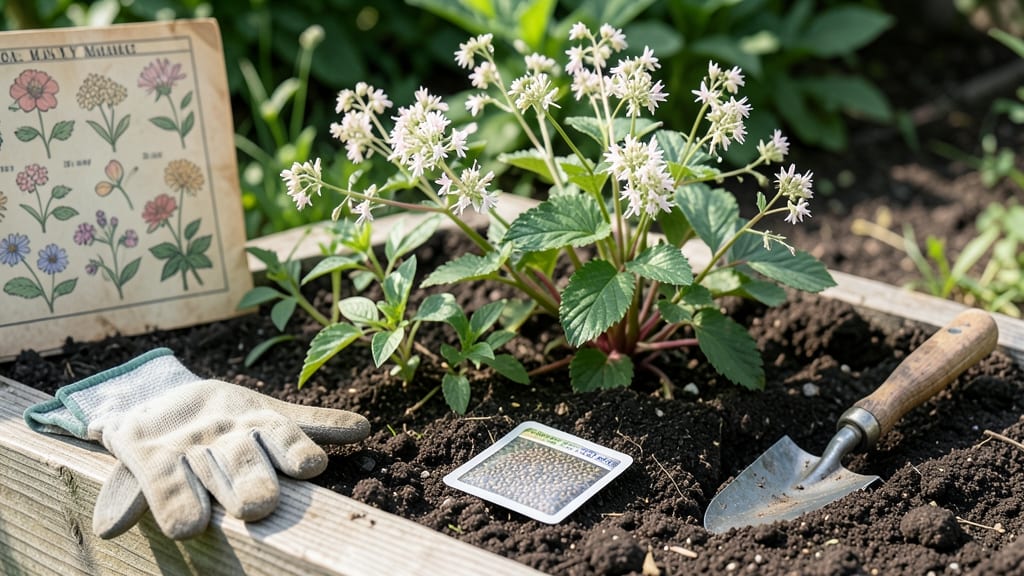
If you're wondering when to plant buckwheat in Michigan, timing is everything—this fast-growing crop needs precise conditions to thrive. With Michigan's variable climate, planting too early risks frost damage, while waiting too long cuts your harvest short.
The key is understanding your county's frost-free window, which typically opens between late April and early July.
Buckwheat 🌾 is a versatile powerhouse, serving as a cover crop, grain, or edible green, but it demands quick action. In USDA Zones 5-6, soil temperatures must reach at least 50°F before planting, usually aligning with May in most regions.
Northern Michigan's shorter growing season means you'll need to act even faster than southern counties.
What makes buckwheat special is its 60-day growth cycle, making it perfect for Michigan's short summers. Whether you're growing it for pollinator-friendly flowers or nutrient-rich grain, planting between late May and early June gives you the best chance for a full harvest before fall frosts arrive.
Ready to grow? I'll show you exactly how to match your planting schedule to Michigan's climate, including county-specific frost dates and soil temperature tips. Let's get your buckwheat off to the fastest start possible.
Michigan’s frost-free planting zones for buckwheat by county (2024 guide)
Michigan’s diverse climate—from the Upper Peninsula’s cooler USDA Zone 4 to southern counties in Zone 6—means your buckwheat planting window can vary by 3-4 weeks. Since buckwheat matures in just 60 days, timing is critical to avoid fall frosts that can ruin your harvest.
Let’s break down the last frost dates by region so you can plant with confidence.
Northern Michigan (e.g., Marquette, Houghton) typically has its last spring frost around May 15–June 1, while southern counties like Wayne or Monroe see frost-free conditions by April 20–May 5.
This means your ideal planting window shifts from late May in the UP to mid-April in southern Michigan—but don’t rush! Buckwheat thrives when soil temperatures hit 60°F+, which often aligns with late May even in warmer zones.
Pro Tip: Use Michigan State University’s Frost-Free Date Map (linked in resources) to pinpoint your exact county’s average last frost. For example, Grand Rapids (Zone 5) usually waits until May 10, while Detroit can plant as early as April 25. Planting too early risks cold-sensitive seedlings, while late planting may cut harvests short before first fall frosts (typically October 10–20).
Here’s how to align your buckwheat planting with Michigan’s microclimates for maximum yield:
| Region | USDA Zone | Last Frost Date | Ideal Planting Window | Harvest Window | Notes |
|---|---|---|---|---|---|
| Upper Peninsula (Marquette, Houghton) | 4 | May 15–June 1 | Late May–Early June | Late July–Early Sept | Shortest season; prioritize fast varieties. |
| Northern Lower Peninsula (Traverse City, Grand Rapids) | 5 | May 1–May 15 | Mid-May–Late May | Late June–Mid-August | Balanced season; good for greens and grain. |
| Central Michigan (Lansing, Kalamazoo) | 5-6 | April 25–May 10 | Late April–Early June | June–September | Longest window; ideal for succession planting. |
| Southern Michigan (Detroit, Toledo) | 6 | April 15–April 25 | Mid-April–Late May | May–October | Early planting possible; watch for heat stress. |
For northern Michigan, focus on late May–early June plantings to ensure buckwheat matures before fall frosts. In southern counties, you can stretch plantings from mid-April to late May, but avoid planting after June 1—seedlings won’t have time to bolting and flower before frost.
Use succession planting every 2 weeks in central/southern regions to extend harvests through September.
If you’re using buckwheat as a cover crop, plant late summer (August) for a fall/winter green manure. Its fast growth and deep roots suppress weeds and improve soil in just 60 days. For grain or greens, stick to
How to time buckwheat planting for maximum yield in Michigan’s climate
Michigan’s short growing season means buckwheat planting requires careful timing to avoid frost damage and maximize your 60-day harvest window. Unlike many crops, buckwheat thrives in warm soil (60°F+) and can’t tolerate cold, so planting too early risks stunted growth or death.
My strategy? Focus on soil temperature, not just calendar dates.
Start by testing your soil temperature with a soil thermometer—buckwheat seeds won’t sprout below 50°F (10°C). In northern Michigan (USDA Zone 4), wait until late May, while southern regions (Zone 6) can plant as early as mid-April.
Pro tip: Use a black plastic mulch to warm the soil faster if you’re eager to plant early.
🌱
Wait until soil reaches 60°F+—use a thermometer for accuracy. Cold soil delays germination and weakens seedlings.
Aim for a 60-day frost-free period after planting. In Michigan, this typically means planting by early July for a fall harvest.
Plant every 2–3 weeks from May to July for continuous greens or flowers. Buckwheat’s fast growth makes it perfect for staggered harvests.
Planting after mid-July risks immature plants before frost. Prioritize early-season varieties like ‘Manchurian’ for northern Michigan.
True leaves (not cotyledons) should appear in 7–10 days. If not, check for compacted soil or poor drainage.
For maximum yield, pair buckwheat with succession planting. Since it matures in just 50–60 days, I plant my first batch in early May, then repeat every 2 weeks until early July.
This ensures a steady supply of greens, flowers, or grain—depending on your goals. Just be sure to thin seedlings to 6–12 inches apart once they’re 2 inches tall.
One common mistake? Planting buckwheat too densely. Crowded plants compete for sunlight and nutrients, leading to weaker stems and lower yields. I use a straw mulch to retain moisture and suppress weeds, which is especially helpful in Michigan’s variable rainfall.
Water deeply in the morning to prevent fungal diseases like powdery mildew, which thrives in damp conditions.
Finally, keep an eye on your buckwheat’s progress. If seed heads turn golden-brown and seeds rattle inside the pods, it’s time to harvest for grain. For greens or flowers, harvest when plants are 2–3 feet tall but before seeds fully mature.
In Michigan’s climate, this usually means July–September harvests, depending on your planting date.
☀️