
Plants
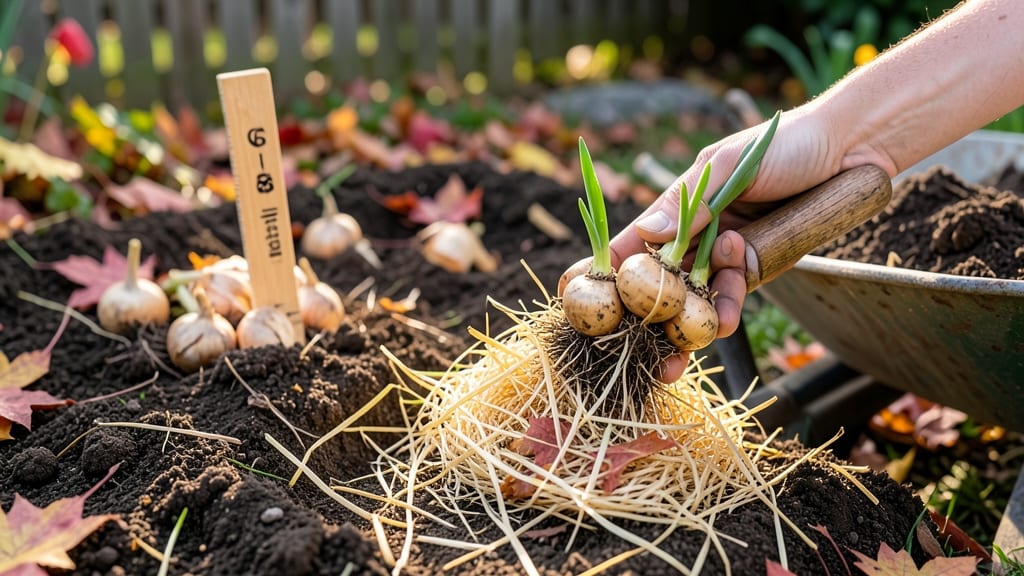
Planting your Spring Flowering Bulbs 🌷 at the right time in Kentucky isn’t just about luck—it’s the secret to those showstopping blooms you’ve been dreaming of every spring.
With Kentucky’s unique 6a zone (where frost typically arrives by November 15), timing matters more than you might think. Get it wrong, and your bulbs could rot in soggy soil or freeze before they even sprout.
But nail it, and you’ll enjoy vibrant tulips, daffodils, and crocuses popping up like clockwork in April or May.
I’ve tested what works in Kentucky gardens—from Louisville’s urban plots to rural fields—and the key is planting 6-8 weeks before the ground freezes. That means starting as early as mid-September for northern Kentucky or waiting until mid-October in warmer southern areas.
Ready to transform your yard into a springtime masterpiece? Let’s break down the exact steps to plant your bulbs so they thrive, no matter where you are in the Bluegrass State.
Kentucky frost zones 5a-7a: exact planting months by bulb type
Kentucky’s diverse climate—spanning USDA Zones 5a to 7a—means your planting timeline should shift depending on whether you’re in northern Pikeville, central Lexington, or southern Bowling Green. The key rule?
Plant spring-flowering bulbs in fall, 6–8 weeks before the first hard frost (typically mid-November in Zone 5a and early December in Zone 7a). Summer-flowering bulbs like dahlias get a late winter window, but we’ll focus on the classics first.
For Zone 5a gardeners (e.g., Paducah), act fast—your window closes by mid-October for tulips. Meanwhile, Zone 7a growers (e.g., Henderson) can stretch planting into early December for daffodils. The difference? 100+ frost-free days separates these zones, and bulbs need that time to root before winter sets in.
Here’s the zone-by-zone breakdown for your most popular bulbs, including tulips, daffodils, and crocuses. Use this as your planting calendar—mark these dates on your garden planner now!
Notice how crocuses get planted earliest? That’s because they need a long chilling period to bloom early, often by February in Kentucky. Meanwhile, daffodils can wait until November in Zone 7a because their toxic sap deters squirrels and deer—perfect for low-maintenance gardens.
For Zone 6a gardeners (the majority of Kentucky, including Louisville and Lexington), aim for mid-October as your sweet spot. This gives bulbs time to root before the average first frost of November 15.
Pro tip: If you miss the window, potted bulbs can be forced indoors for holiday blooms—just plant them in well-draining containers and keep them cool until spring.
One more critical detail: bulb depth matters. Most bulbs should go 6–8 inches deep, but crocuses and snowdrops only need 3–4 inches. Use a bulb planter or your finger to mark the depth—over-planting can rot bulbs, while under-planting leaves them vulnerable to frost heave.
Now that you’ve got your planting calendar, let’s tackle the mistakes that trip up even experienced Kentucky gardeners—and how to avoid them. Trust me, skipping these steps can mean no blooms next spring.
Critical mistakes Kentucky gardeners make when planting bulbs (and how to avoid them)
Even experienced Kentucky gardeners sometimes fall into common bulb-planting traps that can ruin months of anticipation. The most frequent mistake? Planting too late in the season—especially in Zone 5a where frosts arrive earlier.
I’ve seen tulips planted in mid-November fail to root properly before the ground froze, leaving them vulnerable to heaving or rot.
Another widespread issue is ignoring soil drainage, particularly in Kentucky’s heavy clay soils. Waterlogged conditions are a silent killer for bulbs, causing them to rot before they ever sprout.
Even in well-draining soils, overcrowding bulbs is a common error—packing them too closely leads to competition for nutrients and stunted growth.
⚠️ Zone 5a Warning
Mistake: Planting in waterlogged soil (common in Northern KY)
Solution: Amend clay soil with compost and ensure drainage; raise beds if needed for 6+ inches of depth.
In Zone 7a, gardeners often skip mulching after planting, assuming the milder winters won’t harm bulbs. But Kentucky’s unpredictable warm spells in late winter can trick bulbs into sprouting too early, only to be fried by a sudden frost.
A 2–3 inch layer of straw mulch acts as insulation, protecting tender shoots.
One of my biggest pet peeves? Using old or soft bulbs that have been sitting in storage for years. These often sprout prematurely or develop mold, making them useless. Always inspect bulbs for firmness and no signs of sprouting before planting—this simple step can save you from disappointment.
Finally, many gardeners plant bulbs too shallow, especially in sandy soils where they’re more prone to drying out. The general rule is 6–8 inches deep, but adjust for your soil type: sandy soils need deeper planting, while heavy clay can handle shallower depths with proper drainage.
By avoiding these mistakes, your Kentucky bulb garden will thrive—no matter which USDA Zone you’re in. The key is preparation, whether it’s amending soil, timing your planting, or choosing the right bulbs for your microclimate. 🌱