
Plants
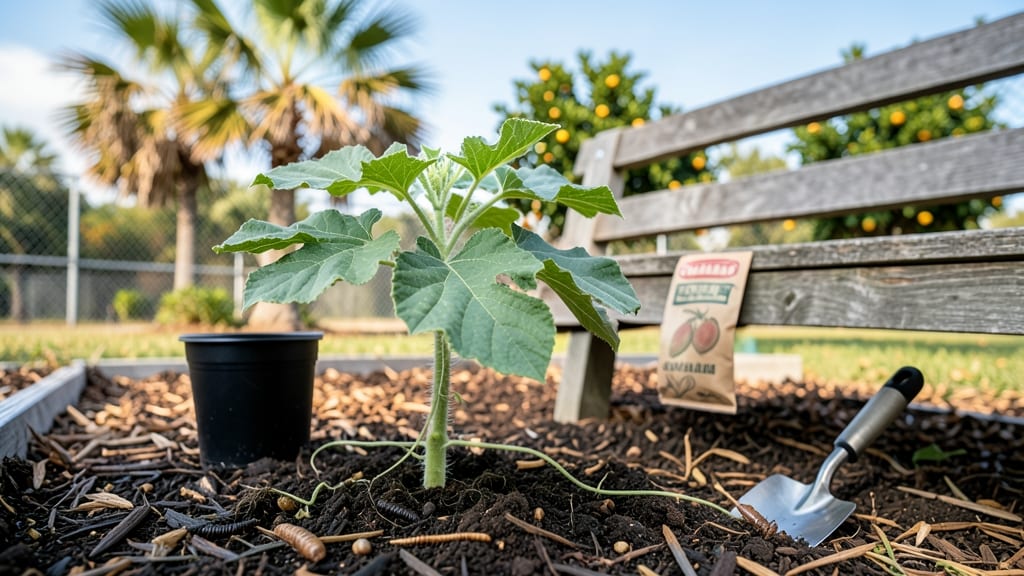
Optimal Florida cantaloupe planting dates by region (heat zone guide)
Florida’s frost-free climate means cantaloupe lovers can grow these sweet melons year-round—but timing is everything. The key is planting when soil temperatures stay above 70°F consistently, ensuring strong germination and heat tolerance.
Since Florida spans three distinct heat zones, your planting window depends on whether you're in the cooler North, warm Central, or tropical South.
Unlike northern states, Florida gardeners don’t need to wait for spring frost to pass. Instead, focus on soil temperature and humidity levels, which can dramatically affect cantaloupe growth.
For example, planting too early in North Florida’s Zone 8A might expose seedlings to unpredictable spring rains, while South Florida’s Zone 11 requires heat-resistant varieties to thrive.
Here’s how to align your planting schedule with Florida’s unique climate zones for maximum yields:
| Region | USDA Zone | Best Planting Window | Soil Temp Requirement | Key Consideration |
|---|---|---|---|---|
| North Florida | 8A-9A | Mid-February to early March | 70°F+ (consistently) | Watch for late spring frosts; use black plastic mulch to warm soil faster. |
| Central Florida | 9B-10A | Late January to February | 70°F+ (sooner than North) | Higher humidity increases fungal risks; space plants wider for airflow. |
| South Florida | 10B-11 | July to August (summer crop) | 80°F+ (heat-tolerant varieties) | Avoid summer planting in extreme heat; opt for shade cloth during peak afternoon sun. |
For North Florida gardeners, February is the sweet spot—soil warms enough to prevent seed rot, but temperatures aren’t yet scorching. Central Florida’s earlier window lets you beat the summer heat, while South Florida’s July-August planting avoids the brutal midday sun of May-June.
Pro tip: Use a soil thermometer to confirm readiness; cantaloupe seeds won’t germinate below 65°F, but growth stalls below 70°F.
Florida’s summer planting (July-August) is often overlooked but can yield excellent crops if you choose heat-resistant varieties like ‘Athena’ or ‘Hale’s Best.’ These varieties tolerate temperatures up to 95°F without bolting (flowering prematurely). Pair summer planting with drip irrigation to keep roots cool and reduce stress.
Timing isn’t just about months—it’s about moon phases too. Planting during the waxing moon (when the moon is growing) encourages stronger root development, which is critical for cantaloupes’ sprawling vines. Check a lunar planting calendar for Florida-specific guidance, especially if you’re growing in raised beds where soil dries out faster.
One common misconception is that Florida’s heat means you can plant anytime. Reality? Bolting (premature flowering) is a major issue if you plant too early in North Florida or too late in South Florida.
For example, planting in May in Central Florida can trigger bolting before fruits develop, while planting in June in South Florida risks heat stress. Stick to the recommended windows and monitor your plants closely.
For container growers, adjust your timeline by 2-3 weeks earlier since pots heat up faster. Use black fabric pots to absorb sunlight and maintain soil warmth. If you’re in a coastal area, account for salt spray by adding gypsum to improve drainage and flush out excess salt.
Finally, Florida’s hurricane season (June-November) adds another layer of planning. If you’re planting in July-August for a fall harvest, choose compact varieties like ‘Muskmelon’ and secure vines with stakes or trellises to protect them from wind damage. Always have a backup plan for row covers if storms are forecasted.
How to time cantaloupe planting for maximum yield in Florida’s climate
Timing is everything when growing cantaloupes in Florida’s unpredictable climate. Unlike northern states, we don’t have to worry about frost, but we do need to account for soil temperatures, humidity spikes, and heat stress.
Plant too early, and your seedlings may rot in soggy soil. Plant too late, and you’ll miss the peak harvest window before summer’s brutal heat sets in.
My secret? Focus on soil temperature—not just calendar dates. Cantaloupes thrive when soil reaches 70°F or warmer, which typically happens in late February to early March for most of Florida.
Use a soil thermometer to confirm before planting. This small tool saved my first cantaloupe crop from slow, weak growth last spring.
Here’s my step-by-step approach to timing your planting for the biggest harvests:
Test your soil’s pH (6.0-6.8 is ideal) and amend with compost or aged manure. Florida’s sandy soils drain too quickly—mix in 2-3 inches of organic matter to retain moisture.
Direct seeding (recommended) gives cantaloupes a head start in Florida’s heat. If using transplants, harden them off for 7-10 days before moving to the garden to avoid transplant shock.
Florida’s spring showers can drown seedlings. Wait 3-5 days after heavy rain to plant—this gives soil time to dry out slightly and reduces fungal disease risk.
Cantaloupes need 3-4 feet between vines to prevent powdery mildew and encourage fruit development. Use a trellis or stakes if space is limited—this also makes harvesting easier.
Apply 2-3 inches of straw or black plastic mulch to retain moisture and suppress weeds. Mulch also keeps fruit off damp soil, reducing rot risk—a common issue in Florida’s humid summers.
If temperatures spike above 90°F before flowering, cantaloupes may bolt (send up flowers too quickly). Provide light shade cloth during peak afternoon heat to buy your plants time to establish.
For a continuous harvest, sow a second batch in late July. This summer crop matures just in time for September-October harvests, avoiding the worst heat of August.
Pro tip: In South Florida, where heat arrives earlier, I often start my first planting in January under row covers to protect young seedlings. Remove the covers once soil warms up—this gives you a 2-week head start on the harvest.
Remember, cantaloupes need consistent warmth to thrive. If you’re in North Florida, stick to the February-March window. For Central and South Florida, you can push planting to late January if soil temps cooperate. The key is patience—rushing leads to bitter fruit or no harvest at all.
Once your cantaloupes are in the ground, focus on watering deeply in the morning and avoiding overhead sprinklers. This simple routine keeps your vines happy and your fruit sweet—exactly what Florida’s heat demands! 💧☀️