
Plants
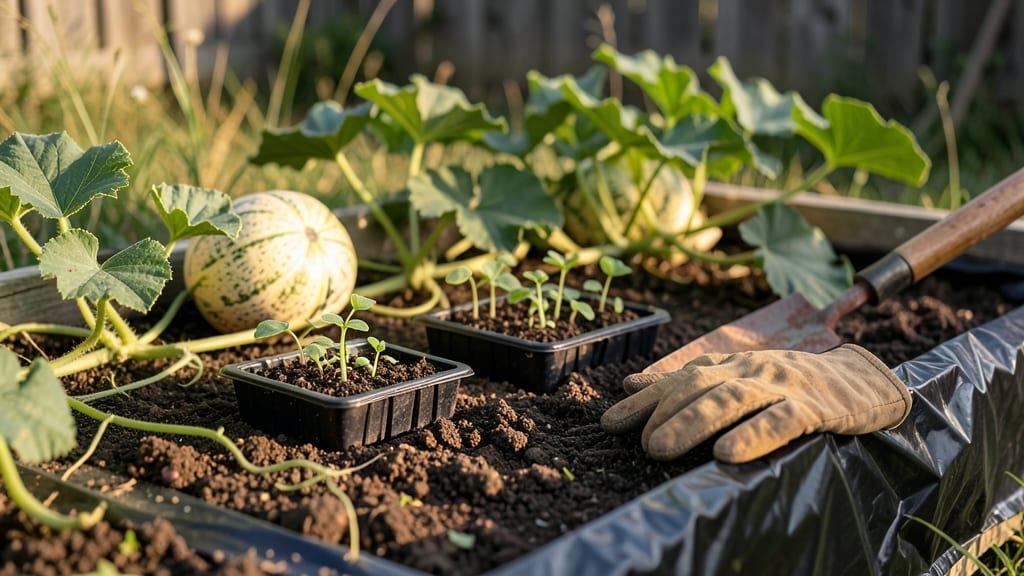
Timing your cantaloupe planting in Louisiana could mean the difference between a bountiful harvest and wasted effort. The perfect window for planting 🍈 starts as early as mid-February for heat-tolerant varieties, but most gardeners wait until late March to early April when soil temperatures reliably hit 70°F or higher.
Why does this matter? Cantaloupes thrive in Louisiana’s long, hot summers—but they’re sensitive to cold snaps. Planting too early risks frost damage, while waiting too long can stretch your harvest season beyond its prime.
The key is balancing soil warmth with your local frost dates, which typically range from mid-March to mid-November in zones 8a-9b.
In this guide, I’ll walk you through the exact planting timeline, soil prep tips, and even how to extend your harvest using mulch or shade cloth. Whether you’re a first-time gardener or a seasoned pro, these strategies will help you grow sweeter, faster cantaloupes without the guesswork.
Ready to turn your garden into a cantaloupe patch? Let’s get started with the fastest, most reliable methods for Louisiana’s climate—so you can enjoy homegrown fruit by summer’s end.
Ideal planting windows for Louisiana cantaloupe by heat Zone
Louisiana’s climate varies from USDA Zone 8a in the northern hills to Zone 9b along the Gulf Coast, but cantaloupe thrives best when planted after the last frost and before summer’s peak heat.
The key is waiting until soil temperatures hit at least 70°F—cantaloupes won’t germinate well in cooler soil.
In most of Louisiana, this means starting seeds indoors 4-6 weeks before your last frost date (typically mid-February to early March for northern areas and late February to early March for southern regions).
Direct sowing outdoors should happen after April 15 in most zones, but check local frost data—late frosts can still occur in Zone 8a. Early varieties like ‘Sugar Baby’ can handle slightly cooler soils, while standard varieties need warmer conditions.
If you’re in Zone 9b, you can even plant as late as mid-April for a summer harvest.
Here’s a quick breakdown of your planting timeline by zone to maximize sweet, ripe cantaloupes:
| Zone | Last Frost Date | Indoor Start (Seeds) | Outdoor Planting | Soil Temp Requirement | Harvest Window |
|---|---|---|---|---|---|
| 8a (North LA) | Mid-March | Mid-February | Late April | 70°F+ | July–September |
| 8b (Central LA) | Early March | Late February | Early April | 70°F+ | June–September |
| 9a (South LA) | Late February | Early February | Mid-March | 68°F+ (earlier start) | May–October |
| 9b (Gulf Coast) | None (tropical) | Late January | Mid-April | 70°F+ | April–November |
Pro tip: Use a soil thermometer to confirm temperatures before planting—cantaloupe seeds won’t sprout below 60°F, and slow germination leads to weak plants. If your soil is still cool, try black plastic mulch to warm it up faster.
This trick can shave 1-2 weeks off your planting timeline, giving you an earlier harvest.
For gardeners in Zone 8a, consider starter plants from nurseries in early April—this skips the risky seed-starting phase and ensures stronger vines. Just be sure to harden off seedlings for 7-10 days before transplanting to avoid shock.
In warmer zones like 9b, you can even plant successive crops every 2 weeks through June for a prolonged harvest.
One common mistake? Planting too early and dealing with frost damage or powdery mildew from cool, damp springs. Cantaloupes hate soggy soil—always plant in well-draining beds or raised rows. If you’re in a humid area, add 1 inch of compost to improve drainage and reduce fungal risks.
Finally, remember that cantaloupes need 8-10 hours of sun daily. If you’re growing in containers, place them in the sunniest spot possible—even partial shade can lead to smaller, less sweet fruit. With the right timing and care, you’ll be slicing into homegrown cantaloupes by mid-summer!
🌱
Ideal planting windows for Louisiana cantaloupe by heat Zone
Louisiana’s USDA heat zones 8a-9b create perfect conditions for cantaloupe, but timing your plantings correctly ensures you avoid early frost damage or overly hot soil that stunts growth. The key is planting when soil temperatures consistently reach 70°F and night temps stay above 55°F.
For most of Louisiana, this means starting seeds indoors 4-6 weeks before your last frost date (typically mid-March).
In northern Louisiana (Zone 8a), like Shreveport, you’ll want to plant seeds indoors by February 15 and transplant outdoors after April 15 when frost risk drops. Meanwhile, southern Louisiana (Zone 9b), such as New Orleans, can start seeds outdoors as early as mid-February thanks to warmer winters.
The difference in timing can mean the difference between a bountiful harvest and a failed crop.
| Zone | Last Frost Date | Indoor Start | Outdoor Planting | Soil Temp |
|---|---|---|---|---|
| 8a (Shreveport) | Mid-March | Feb 15 | April 15 | 70°F+ |
| 8b (Alexandria) | Early March | Feb 20 | April 1 | 70°F+ |
| 9a (Baton Rouge) | Late February | Feb 1 | March 15 | 70°F+ |
| 9b (New Orleans) | Early February | Direct sow Feb 15 | March 1 | 70°F+ |
If you’re growing cantaloupe in containers or raised beds, you can push your planting window slightly earlier because these environments warm up faster. However, avoid planting too soon—cold soil below 60°F can cause seeds to rot or seedlings to develop poorly.
Use a soil thermometer to check temperatures before planting, especially in northern Louisiana where mornings can still be chilly.
For a second harvest in late summer, you can make a succession planting of cantaloupe seeds around May 15 in most of Louisiana. This works best in southern zones (9a-9b) where summer heat remains intense.
Just be prepared to provide extra shade cloth during peak heat (above 95°F) to protect young plants from heat stress.
One trick I’ve used in my own garden is to cover seedlings with row covers for the first 2 weeks after transplanting. This gives them a head start against Louisiana’s humidity and pests while they establish roots.
Once they’re 3-4 inches tall and show signs of healthy vine growth, you can remove the covers and let them soak up the sun.
Remember, cantaloupe thrives on heat and long days, so the earlier you can get them planted, the faster they’ll mature. With Louisiana’s 240 frost-free days, you’ve got plenty of time—but don’t wait too long, or you might miss your chance for a sweet, summer harvest. 🍈