
Trees
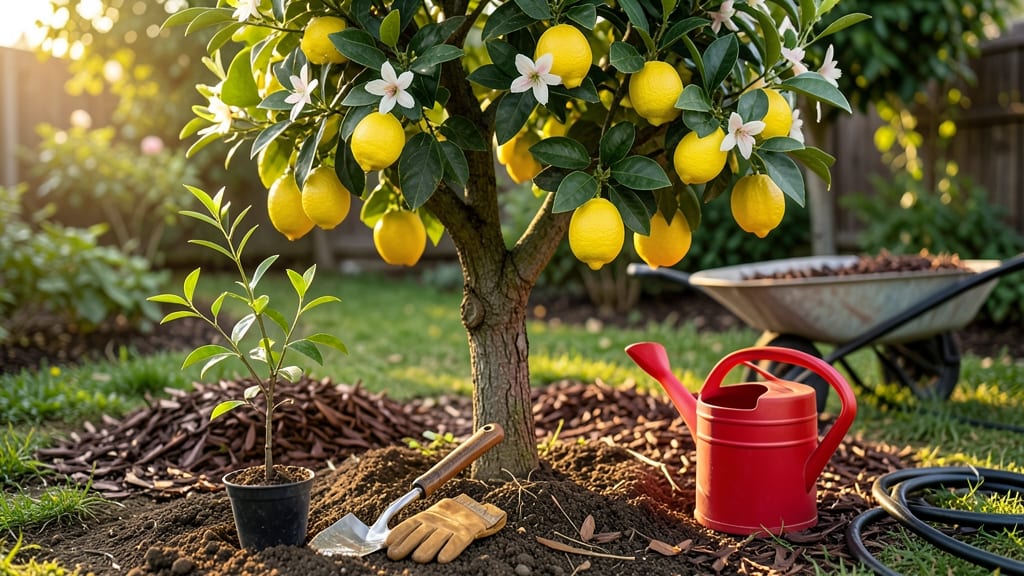
Louisiana’s frost-free window for citrus planting: months & microclimate tips
Louisiana’s USDA zones 8a-9b offer a long 240-day frost-free window, making it ideal for citrus—but timing matters. The last frost date typically falls around February 15, while the first frost arrives in early December. Planting outside this window risks frost damage or poor root establishment.
For optimal growth, aim to plant citrus trees between late February and early April. This window ensures roots establish before summer heat arrives. Meyer lemons and Valencia oranges thrive when planted in March, while Satsuma mandarins (hardier varieties) can tolerate slightly earlier plantings in February.
Louisiana’s microclimates play a huge role. Coastal areas (like New Orleans or Lafayette) enjoy milder winters, allowing for extended planting into May. In contrast, inland regions (e.g., Shreveport or Monroe) face earlier frosts, so stick to February-March to avoid cold snaps.
Avoid planting in late spring (May-June) unless you’re in a protected microclimate.
Late plantings struggle to establish roots before summer’s intense heat, leading to water stress and poor fruiting. Fall planting (September-November) is possible but riskier—you’ll need to protect young trees from early frosts with frost cloth or mulch.
Citrus trees need well-draining soil with a slightly acidic pH (6.0-7.0). Louisiana’s clay-heavy soils often require amendments like compost or sand to improve drainage. Test your soil before planting—poor drainage leads to root rot, a common killer of citrus trees.
Container planting extends your planting flexibility in Louisiana. Dwarf varieties (like Calamondin oranges) can be planted year-round in pots, but move them indoors when temperatures drop below 40°F. For in-ground plantings, wait until soil temperatures reach 60°F—use a soil thermometer to check.
Heat zones also matter. Louisiana’s high humidity and summer heat (often exceeding 90°F) demand shade cloth for young trees. Varieties like grapefruit handle heat better than limes, which may need afternoon shade in Zone 9b.
| Planting Window | Best For | Microclimate Fit | Key Consideration |
|---|---|---|---|
| Late February - Early March | All varieties | Coastal & Inland | Avoids frost; roots establish before summer |
| April | Heat-tolerant types (grapefruit) | Coastal only | Risk of heat stress; needs shade |
| September - November | Cold-hardy varieties (Satsuma) | Inland only | Protect from early frosts with mulch |
| Containers (Year-Round) | Dwarf varieties | All regions | Move indoors below 40°F |
After planting, mulch heavily (3-4 inches of organic mulch) to retain soil moisture and regulate root temperature.
Water deeply 2-3 times per week for the first month, then taper to weekly deep waterings once established. Drip irrigation is ideal—it delivers water directly to roots without wetting foliage, reducing fungal risks.
Monitor your tree’s growth rate as a gauge of success. A healthy citrus tree should grow 12-24 inches per year. If growth stalls, check for nutrient deficiencies (yellow leaves = nitrogen deficiency) or pests like aphids.
In Louisiana’s humid climate, citrus leaf miner is a common threat—inspect leaves regularly for white trails or puffy growths
Best citrus varieties for Louisiana & their ideal planting times
Louisiana’s climate supports a surprising variety of citrus—but not all thrive equally. Cold-hardy varieties like Satsuma mandarins (USDA Zone 7) can handle occasional dips below freezing, while Meyer lemons (Zone 8) need protection from late-spring frosts.
For heat-tolerant options, Valencia oranges and Ruby Red grapefruit (Zone 9) flourish in the state’s southern regions.
Dwarf varieties (6–10 ft tall) are perfect for containers or small yards, while standard trees (15–25 ft) need space and may require winter protection in colder microclimates like Shreveport. Always check the rootstock—some, like trifoliate orange, boost cold resistance.
Here’s how to match your variety to Louisiana’s frost-free window for maximum success:
When buying nursery trees, look for bare-root options in winter or container-grown trees in spring. Transplant shock is less severe if roots are established—so avoid planting container-grown trees during Louisiana’s hottest months (June–August). Instead, opt for early spring (March) or fall (September) when temperatures are mild.
For container citrus, use large pots (15+ gallons) with drainage holes and a well-draining potting mix. Move pots indoors or to a sheltered area if temperatures drop below 30°F. Mulch heavily around the base to insulate roots during winter.
Pro tip: Acid-loving citrus thrives in Louisiana’s sandy soils, but amend clay soils with compost and peat moss to improve drainage. Test your soil’s pH (ideal: 6.0–7.0)—citrus hate alkaline conditions!