
Plants
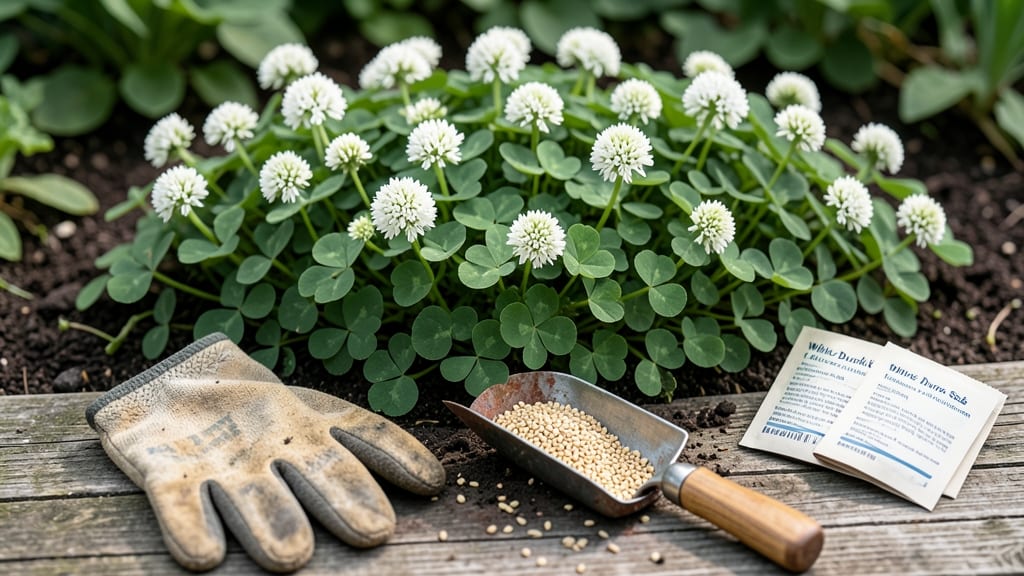
Best months to plant clover in Kentucky by hardiness Zone (5a-7a)
Kentucky’s diverse hardiness zones (5a-7a) mean your clover planting window varies by region. In Zone 5a (northern Kentucky), aim for early spring (March-April) or late summer (August-September) to avoid early frosts. Meanwhile, Zone 7a (southern Kentucky) enjoys a longer season, allowing planting until October with minimal frost risk.
Timing isn’t just about months—it’s about soil temperatures. Clover thrives when soil reaches 60–70°F, which typically aligns with Kentucky’s last frost dates (March 15). Use this as your green light for spring planting, while fall plantings should finish by September 15 to ensure root establishment before winter.
Kentucky’s microclimates add complexity. The Bluegrass Region (Zone 6a) often sees earlier springs than the Pennyrile Plateau (Zone 5b). Check your local USDA Plant Hardiness Map to refine your schedule—just 100 miles can shift frost dates by 2 weeks.
For fastest germination, plant when daytime temps hover around 70°F and nighttime temps stay above 50°F. This usually means April showers in northern Kentucky or September sunshine in southern regions. Avoid planting when soil temps drop below 50°F, as clover seeds may rot instead of sprouting.
Here’s how Kentucky’s two planting windows break down by zone:
| Zone | Spring Window | Fall Window | Soil Temp Goal | Key Consideration |
|---|---|---|---|---|
| 5a (Northern KY) | March 20–April 15 | August 15–September 10 | 60–70°F | Frost risk after Sept 15 |
| 6a (Central KY) | March 15–April 30 | August 1–October 1 | 60–70°F | Humidity peaks in summer |
| 7a (Southern KY) | March 1–May 1 | August 15–October 15 | 60–75°F | Longer growing season |
If you’re in Zone 6a (Bluegrass Region), prioritize April planting—this aligns with Kentucky’s peak rainfall in spring, reducing irrigation needs. For Zone 5a (Pennyrile Plateau), late August is your best bet to avoid summer heat stress while still allowing roots to harden before winter.
Pro tip: Test your soil temperature with a soil thermometer before planting. Clover seeds need consistent warmth to germinate—if temps dip below 55°F, germination slows dramatically. Kentucky’s humid subtropical climate can create false starts, so patience is key during shoulder seasons.
For fastest establishment, choose early spring over fall in Zone 5a. Spring plantings benefit from longer daylight hours and warmer soils, giving clover a 3–4 week head start before summer weeds compete.
In Zone 7a, fall plantings often outperform spring due to cooler temps and fewer pests.
Remember: Clover is a cool-season crop, meaning it thrives in 50–75°F temps. Planting in Kentucky’s heat (July–August) stresses seeds, leading to poor germination rates. Save summer for weed control and soil prep instead.
🌱
How soil temperature affects clover germination speed in Kentucky’s climate
Clover seeds in Kentucky don’t just need the right month—they need the right soil temperature to germinate properly. While most gardeners focus on air temperature, clover thrives when soil reaches 60–70°F.
This range is critical for breaking seed dormancy and encouraging strong root development before Kentucky’s summer heat sets in.
Kentucky’s humid subtropical climate creates perfect conditions for clover in shoulder seasons. Spring and fall soil temps naturally fall into this ideal range, which is why these seasons are optimal for planting.
In Zone 6a, soil typically hits 60°F by mid-March, while Zone 7a areas may see it as early as late February.
Germination Speed by Soil Temp
Testing your soil temperature is easier than you think. Use a soil thermometer (available for under $15) to check temps at a 2-inch depth. In Kentucky’s Bluegrass Region, morning soil temps in March can fluctuate wildly—plant when readings consistently stay above 60°F for 3 consecutive days.
The Pennyrile Plateau runs cooler, so wait until late March or early April.
If you plant clover too early when soil is below 55°F, seeds may rot before germinating. Conversely, planting in summer heat (above 80°F) can trigger dormancy, leaving you with sparse, uneven growth.
My best advice? Monitor your local USDA frost-free dates and adjust planting by 2–3 weeks based on your microclimate.
For troubleshooting, watch for yellowing seedlings—a sign of cold stress. If this happens, mulch with straw or grass clippings to insulate soil and encourage faster warming. In Kentucky’s unpredictable springs, this simple step can mean the difference between a thin, patchy lawn and a thick, nitrogen-rich cover by summer.
Remember: Clover’s germination speed isn’t just about speed—it’s about root strength. The deeper and faster roots establish in that 60–70°F window, the better they’ll handle Kentucky’s summer heat and humidity once established.
Timing isn’t just a guess—it’s a science, and mastering it will transform your clover patch from a gamble to a guarantee.