
Plants
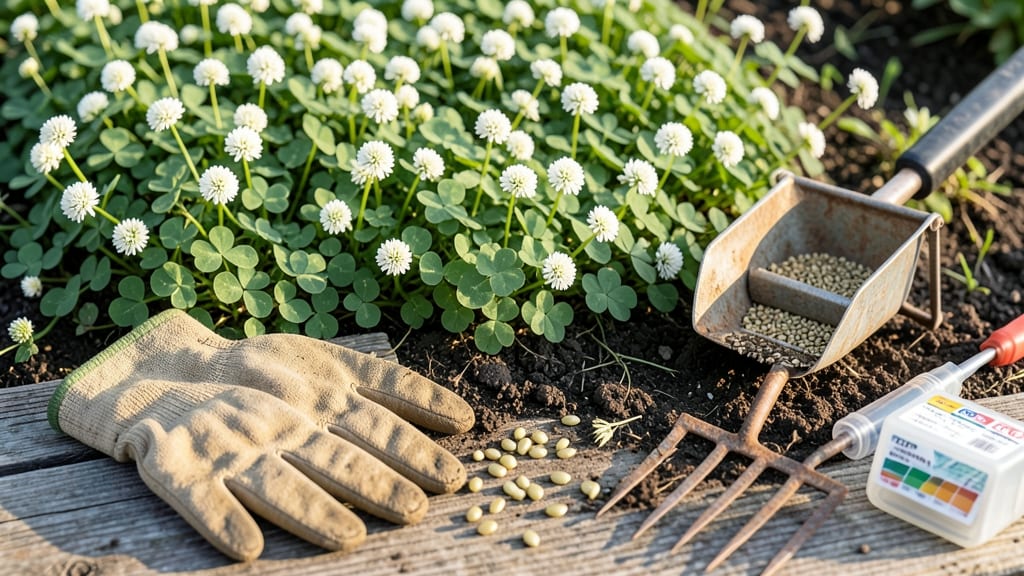
Timing your clover planting in Utah isn’t just about the calendar—it’s about beating the desert’s unpredictable swings from frost to drought.
Whether you’re in the Wasatch Front’s cooler valleys or Southern Utah’s high desert, getting those seeds in the ground at the right moment means the difference between fast germination and waiting another year for lush green coverage.
Most gardeners swear by early spring (March-April) or early fall (September-October) planting, but Utah’s USDA Zones 5-8 throw a wrench into one-size-fits-all advice. The key? Pay attention to your microclimate—mountain areas might still have snow in April while the valley’s ready to bake by then.
I’ll break down exactly when to plant for your specific corner of the state, so you can skip the guesswork.
You’ll also discover how to prep your soil for Utah’s alkaline conditions and adjust for late frosts or early heatwaves. Spoiler: There’s a 3-step trick to give your clover seeds the best shot at thriving, even when Mother Nature plays hardball.
Let’s make sure your patch of 🌱 takes root exactly when you need it to.
From choosing the right variety for your elevation to knowing when to harvest for peak flavor, this guide covers everything you need to turn your Utah garden into clover heaven—without waiting another season to see results.
Utah’s ideal planting windows for clover by microclimate zone
Utah’s diverse microclimates create unique challenges for planting clover seeds. The Wasatch Front and Southern Utah have very different frost dates, while high desert areas face extreme temperature swings. Understanding these variations ensures fast germination and healthy growth.
Clover thrives when soil temperatures reach 50-60°F, making early spring (March-April) and early fall (September-October) the ideal windows. However, Utah’s USDA Zones 5-8 mean your exact timing depends on elevation and location.
For Wasatch Front gardeners (Salt Lake City area), aim for mid-March to early April—after the last frost (April 15 average)—or late August to September for fall planting. These areas benefit from moderate rainfall during germination.
In Southern Utah (St. George region), plant February-March or September-October due to earlier last frost dates (March 15 average). The high desert requires extra caution—wait until soil warms consistently above 55°F, often late April.
Northern Utah (Ogden, Logan) mirrors Wasatch Front timing but may need 2-3 weeks later due to higher elevations. Always check local frost dates and monitor soil moisture—clover seeds need consistent dampness to sprout.
| Zone | Spring Planting Window | Fall Planting Window | Key Trigger | Soil Prep Tip |
|---|---|---|---|---|
| Wasatch Front | Mid-March to Early April | Late August to September | Soil 50°F+ | Add compost for moisture |
| Southern Utah | February-March | September-October | Last frost passed | Mulch to retain heat |
| Northern Utah | Late March-April | Late August-September | Snowmelt completed | Test pH (6.0-7.0) |
| High Desert | Late April-May | September | Soil 60°F+ | Use seed coating |
For high desert regions, consider seed coating to improve germination in dry conditions. These areas often experience flash droughts, so maintain consistent moisture for the first 4-6 weeks after planting.
Always test your soil pH—Utah’s alkaline soils (pH 7.5+) can inhibit clover growth. Aim for 6.0-7.0 pH by amending with sulfur or peat moss if needed. This adjustment prevents nutrient lockout and ensures vigorous growth.
In mountain valleys, watch for late snowmelt delays. If your area experiences unpredictable frost, opt for fall planting instead—clover establishes roots before winter and blooms earlier in spring.
Remember: Clover fixes nitrogen, so once established, it requires minimal fertilization. Focus on proper timing and soil prep for the best results in Utah’s challenging climate.
Best clover varieties for Utah’s climate and their specific planting times
Utah’s alkaline soils and dry climate favor specific clover varieties that thrive with minimal fuss. The right type can mean the difference between fast germination and struggling seedlings. Let’s break down the top three clover varieties for Utah gardens and their ideal planting windows.
White clover (Trifolium repens) is the most drought-tolerant option, perfect for Utah’s high desert regions. It handles alkaline soils well and stays lush even with occasional watering. Plant it late winter (February-March) or early fall (September-October) for best results.
Red clover (Trifolium pratense) grows faster and fixes more nitrogen in the soil, making it ideal for mountain valleys with richer soil. However, it needs more consistent moisture than white clover. Aim for early spring (March-April) or late summer (August) to avoid heat stress.
🌱 Utah Clover Variety Summary
| Variety | Best Planting Time | Soil Prep | Drought Tolerance |
|---|---|---|---|
| White Clover | Feb-Mar or Sep-Oct | Loose, alkaline | High |
| Red Clover | Mar-Apr or Aug | Well-drained, fertile | Moderate |
| Alsike Clover | Apr-May | Moist, neutral pH | Low |
Alsike clover (Trifolium hybridum) is less common but thrives in cooler, moister areas like Utah’s northern valleys. It’s best planted April-May when soil temperatures are consistently above 50°F. However, it requires more water and struggles in dry conditions, so it’s not ideal for desert regions.
For fastest germination, always scarify seeds (lightly nick them) before planting. Utah’s alkaline soils can inhibit seedling growth, so amend with compost or peat moss to improve drainage. Test your soil’s pH level—aim for 6.0-7.0 for optimal clover growth.
Pro tip: If you’re planting for bees, white clover is the best choice—its flowers bloom earlier and longer than red clover. For livestock forage, red clover provides higher protein content. Choose based on your garden’s purpose!