
Plants
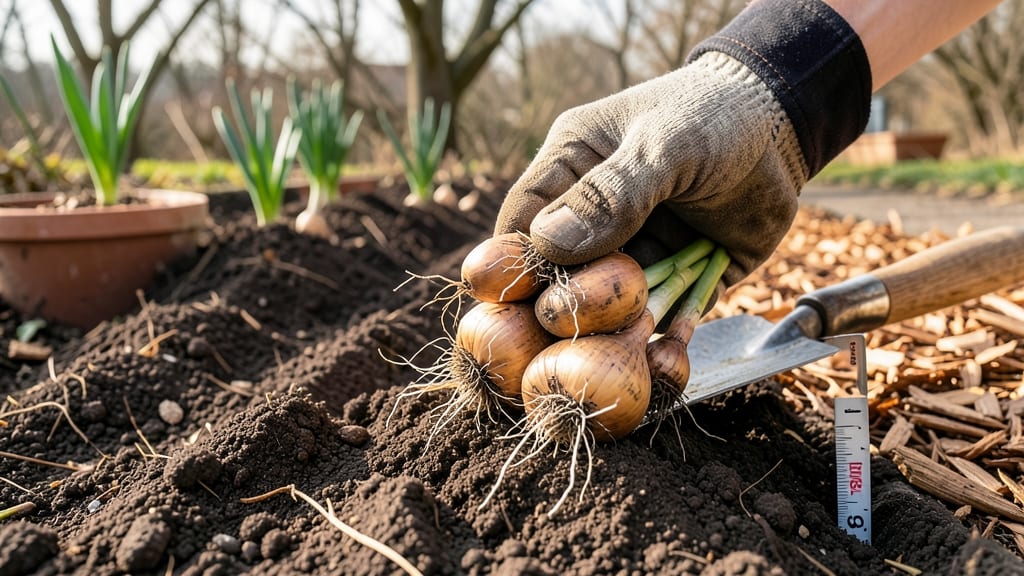
Planting daffodil bulbs at the right time in Michigan can mean the difference between a vibrant spring display and wasted effort. The ideal window—September through October—gives these hardy bulbs the perfect head start before winter sets in.
If you get the timing wrong, you might end up with rotten bulbs or missed blooms.
For Michigan gardeners in Zone 5b-6b, the key is planting 4-6 weeks before the ground freezes, usually between mid-September and early November. This timing ensures your 🌼 daffodils establish roots before winter dormancy kicks in, setting the stage for those cheerful yellow blooms next spring.
But here’s the thing: Michigan’s climate varies between the Upper and Lower Peninsulas, so exact timing can shift slightly. Warmer southern regions might lean toward late September, while cooler northern areas could benefit from an October start. I’ll break down the best approach for your specific area.
Whether you’re a seasoned gardener or just starting out, getting this right is the most important step. Let’s make sure your daffodils thrive—and bring that spring color to your Michigan garden exactly when you want it.
Ideal planting window for Michigan daffodil bulbs (Zone 5)
Michigan’s Zone 5 climate demands precise timing for daffodil bulb planting—typically between mid-October and early November. This 4-6 week window ensures bulbs establish roots before winter dormancy while avoiding soil temperatures below 40°F, which can cause rot.
Northern Michigan’s colder microclimates may shift this to late September to mid-October, while southern regions can extend planting until early November.
Timing is critical because daffodil bulbs need 6-8 weeks of cool soil (40-50°F) to root before ground freezes. Planting too early risks rot from excess moisture, while late planting may leave bulbs vulnerable to freeze-thaw cycles that disrupt root growth.
Michigan’s first hard frost usually arrives in mid-October, so aim to finish planting at least 4 weeks before that date.
Soil temperature is your best guide—use a soil thermometer to confirm readings between 40-50°F at planting depth (6 inches). In 2023, Michigan’s average soil temps dropped below 50°F by November 1st in most regions, making late October the safest window for most gardeners.
Northern areas like Traverse City may need to plant by October 15th, while southern Detroit could extend until November 5th.
Daffodils thrive in Michigan’s Zone 5b-6b winters because they’re hardy to -20°F. However, poor drainage or wet soils can still cause winter rot. Amend heavy clay soils with compost or sand to improve drainage, especially in low-lying areas where water pools after snowmelt.
This preparation is just as important as timing for long-term bulb health.
Regional microclimates play a huge role—Upper Peninsula gardeners should prioritize earlier planting (September-October) due to colder winters, while Lower Peninsula areas can plant slightly later. For example, Grand Rapids (Zone 5b) typically plants in late October, while Marquette (Zone 5a) plants by mid-October to avoid early freezes.
🌱 Michigan Daffodil Planting Timeline
| Region | Ideal Planting Window | Soil Temp Threshold | Key Consideration |
|---|---|---|---|
| Northern MI (Zone 5a) | Late September - Mid-October | 40-50°F | Colder winters; plant early |
| Central MI (Zone 5b) | Mid-October - Early November | 40-50°F | Moderate climate; flexible window |
| Southern MI (Zone 6a) | Early October - Mid-November | 45-55°F | Warmer microclimates; later planting |
| All Regions | 4-6 Weeks Before Frost | 60°F+ at planting | Avoid planting in wet soil |
If you miss the ideal window, don’t panic—daffodil bulbs can handle late fall planting as long as the ground isn’t frozen. However, bulbs planted after November 15th may not establish strong roots before winter, leading to smaller blooms the following spring.
For best results, mark your calendar for October 15th as your target date, adjusting 1-2 weeks earlier or later based on your specific microclimate.
Pro tip: Use mulch after planting (2-3 inches of straw or shredded leaves) to insulate bulbs and regulate soil temperature. This helps protect newly planted bulbs from temperature fluctuations that can stress young roots.
Just be sure to remove mulch in early spring to allow sunlight to reach the emerging foliage.
Michigan’s spring blooms are worth the effort—daffodils naturalize beautifully, multiplying each year to create vibrant carpets of color that emerge even through snow. By planting at the right time and preparing your soil properly, you’ll set the stage for years of effortless spring beauty with minimal maintenance. 🌼
How to time daffodil planting for early vs. late blooming varieties
Michigan’s diverse daffodil varieties bloom at different times, and your planting strategy should match their natural rhythms. Early bloomers like 'Ice Follies' need to be planted slightly earlier to beat the frost, while late bloomers like 'Thalia' can handle a later start.
Timing these correctly extends your spring color show from April through May.
For early bloomers, aim to plant bulbs in late September—this gives them enough time to establish roots before winter. Late bloomers, on the other hand, can wait until early October without sacrificing bloom quality. The key is aligning planting with Michigan’s frost-free window and bulb dormancy needs.
Here’s how to stagger planting for continuous blooms: Plant 1/3 of your bulbs in late September, another 1/3 in early October, and the final 1/3 in mid-October. This creates a cascading effect, ensuring flowers appear every few weeks rather than all at once.
| Variety Type | Ideal Planting Time | Bloom Window | Michigan-Specific Tip |
|---|---|---|---|
| Early Bloomers (e.g., 'Ice Follies') | Late September | Early April | Plant in well-draining soil to prevent rot in early spring thaws. |
| Mid-Season Bloomers (e.g., 'Tête-à-Tête') | Early October | Mid-April | Use mulch after planting to insulate bulbs in colder northern Michigan. |
| Late Bloomers (e.g., 'Thalia') | Mid-October | Late April/Early May | Avoid planting after mid-October—bulbs need 6-8 weeks to root before frost. |
Michigan’s frost dates vary by region, so adjust your timeline if you’re in the Upper Peninsula (colder) or southern Lower Peninsula (warmer). For example, northern areas should plant early, while southern gardens can extend planting into early November. Always check your local frost forecast for precision.
Layering bulbs—planting multiple varieties in the same spot—is a pro trick for extended blooms. Place early bloomers in the front, mid-season in the middle, and late bloomers in the back. This creates depth and ensures your garden stays colorful from April through May without gaps.
Finally, remember that soil temperature matters more than air temperature. Use a soil thermometer to confirm the ground is below 60°F before planting. This ensures bulbs won’t sprout too early and get damaged by frost.
With the right timing, your daffodils will reward you with bold, cheerful blooms that outshine even Michigan’s grayest spring days. 🌼