
Plants
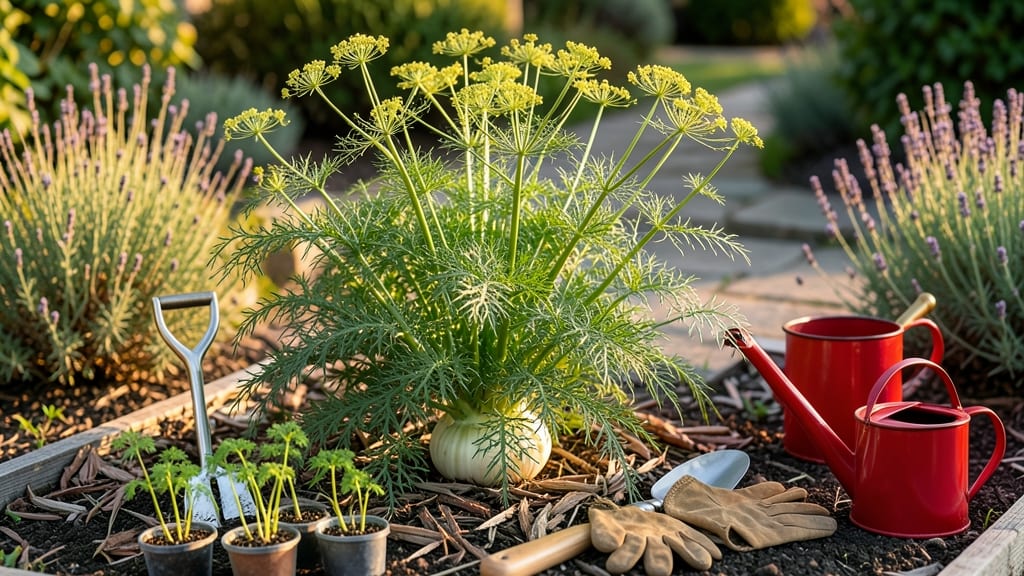
Best planting months for fennel in Zone 9: avoid these common mistakes
Zone 9’s mild winters and long growing season make it possible to grow fennel year-round—but timing is everything. Unlike frost-sensitive regions, fennel thrives in cooler temperatures (50–70°F) and struggles when soil heats above 75°F.
Planting too late in spring or too early in summer risks bolting (premature flowering) and bitter flavors. Let’s pinpoint the perfect planting windows for your Zone 9 garden.
In Zone 9, fall planting (October–November) is your best bet for a spring harvest. This gives fennel time to establish roots before winter’s mild chill and avoids summer’s scorching heat. Spring planting (February–March) is a close second, but requires shade protection later in the season.
Avoid planting after April—the heat will send your fennel bolting faster than a rabbit in a vegetable patch.
Here’s why timing matters: Fennel bulbs develop best in cool weather, while fronds (the feathery greens) tolerate slightly warmer conditions. If you’re growing Florence fennel for its crunchy bulbs, prioritize fall planting.
For Bronze fennel (used for fronds), you can stretch planting into early spring. Either way, soil temperature is your guide—wait until the ground cools below 75°F before sowing seeds.
Zone 9’s microclimates add another layer of complexity. Coastal areas like San Diego stay cooler longer, allowing spring planting into April. Inland deserts like Phoenix? Plant fennel in late fall (November) and use shade cloth by March to delay bolting.
Pay attention to your local last frost date—even though Zone 9 rarely freezes, unexpected cold snaps can stress young fennel plants.
Common mistakes to avoid: Planting too early in spring (seeds rot in warm soil), skipping soil prep (fennel hates soggy roots), or ignoring succession planting (more on this later!). Even experienced gardeners in Zone 9 overlook how heat stress accelerates fennel’s life cycle, turning a 6-month harvest into a 3-month rush. Let’s fix that with data-driven timing.
Now that you’ve got the planting windows locked down, let’s talk about soil prep. Fennel demands well-draining soil with a pH of 6.0–7.0. In Zone 9’s heavy clay soils (common in Southern California), amend with compost and sand to prevent root rot.
A raised bed is ideal for inland desert gardens where water drains too quickly. Before planting, mix in aged manure or worm castings for a nutrient boost—fennel is a light feeder but benefits from organic matter.
Once your soil is ready, direct sow seeds (they hate transplanting) ¼-inch deep, spacing them 12–18 inches apart.
Thin seedlings to 18 inches apart when they’re 4 inches tall—this gives bulbs room to swell. Water deeply after planting to encourage root growth, then maintain 1–2 inches of mulch to retain moisture and suppress weeds.
In Zone 9’s dry heat, drip irrigation is your best friend—it delivers water directly to roots without wetting fronds (which attracts fungal diseases).
Watch for bolting signs: tall flower stalks shooting up or leaves yellowing at the base. If this happens, harvest immediately or the bulb will turn woody and bitter. In Zone 9, shade cloth (30–50%) can delay bolting by 2–4 weeks, giving you more harvest time.
For a continuous supply of fennel, plan to succession plant every 3 weeks from October through March. This way
Best planting months for fennel in Zone 9: avoid these common mistakes
Zone 9’s mild winters and hot summers create a tricky balance for growing fennel. Unlike frost-sensitive regions, your frost-free zone means timing focuses on avoiding extreme heat and bolting—not cold snaps.
The sweet spot? Plant fennel between late October and early March when soil temps stay between 50-70°F, ideal for seed germination and bulb development.
Most gardeners in Zone 9 miss the window by planting too late in spring or ignoring fall’s cooler temps. Fennel planted in April or May often bolts prematurely, sending up bitter flower stalks instead of sweet bulbs.
Meanwhile, fall plantings (October-November) give you a head start on spring harvests before summer’s intensity kicks in.
Here’s the key: Soil temperature matters more than air temp. Use a soil thermometer—fennel seeds won’t sprout reliably below 50°F. In inland Zone 9 (like Phoenix), aim for October 15-November 15 for fall crops.
Coastal areas (like San Diego) can push it to November 1-December 15 thanks to milder microclimates.
Zone 9 Fennel Planting Comparison
| Planting Window | Soil Temp (°F) | Harvest Window | Key Risks |
|---|---|---|---|
| Late October - November | 50-65°F | March - May | Overwatering in winter |
| February - Early March | 60-70°F | May - June | Bolting from heat stress |
| April - May (Risky) | 70-80°F | Limited yields | Premature bolting |
⚠️ Pro Tip: Coastal Zone 9 can plant 1 month later than inland areas due to ocean breezes cooling soil.
Bulb fennel (like Florence) needs 6-8 months to mature, while frond fennel (Bronze) matures faster but bolts quicker. Plant bulb types in fall for spring harvests, and frond types in early spring if you prioritize leaves over bulbs.
Avoid summer planting—Zone 9’s 90°F+ days trigger bolting within weeks.
Watch for heat stress signs: yellowing leaves, hollow stems, or flower stalks appearing before bulbs swell. If you see these, move plants to partial shade immediately. Mulch with straw or wood chips to keep roots cool—this buys you 2-3 extra weeks of growing time before bolting sets in.
Remember: Fennel’s cool-season preference makes it a fall or winter crop in Zone 9. Think of it like growing lettuce—plant when days are shorter and nights are cooler. With perfect timing, you’ll enjoy harvests from March through May, just as summer’s intensity peaks and other herbs wilt.