
Trees
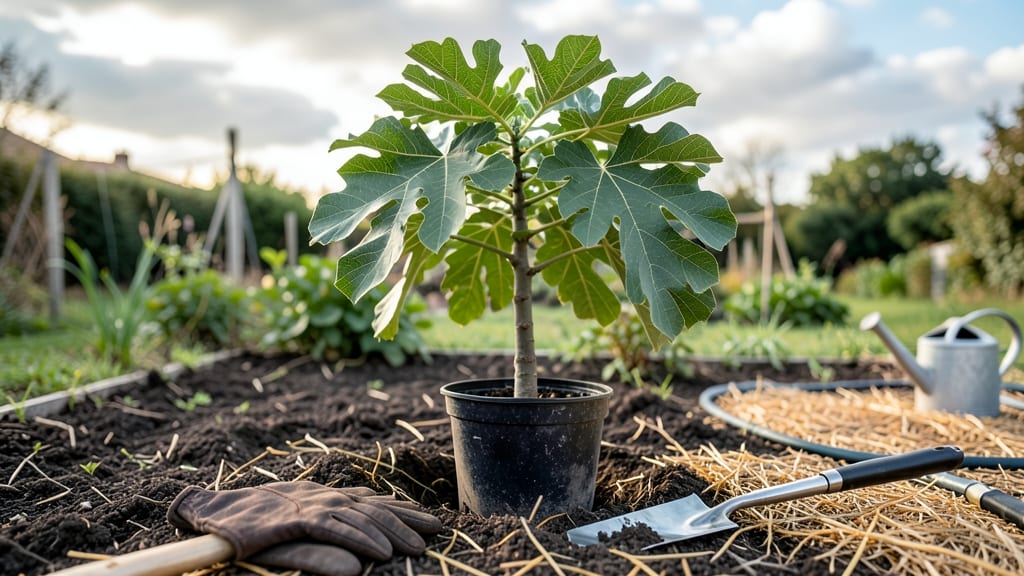
Fig trees thrive in Georgia's warm climate—but planting them at the wrong time can mean struggling growth or even failure. Timing matters more than you might think, especially in zones 7a-8b where late frosts can sneak up.
The key is planting after your last frost date, when soil temperatures hit at least 60°F.
For most Georgia gardeners, that means late winter to early spring (February-March) or early fall (September-October). These windows give your 🍈 fig tree the best chance to establish strong roots before summer's heat or winter's chill sets in.
Coastal areas can plant slightly earlier, while mountain regions should wait until after mid-March.
Why does timing matter so much? Fig trees need time to adapt to their new home before facing extreme temperatures. Plant too early, and a late frost could damage tender new growth. Too late, and your tree might struggle to establish before winter dormancy kicks in.
In this guide, I'll walk you through Georgia's frost-free planting windows, soil prep tips, and even container growing options for colder microclimates. Let's get your fig tree off to the right start!
Georgia’s frost-free planting windows for fig trees: best months explained
Georgia’s diverse climate—from the humid coastal regions to the cooler mountain areas—means fig tree planting times vary by zone. Fig trees thrive in USDA hardiness zones 7-9, but timing your planting after the last frost date (typically mid-March) is critical.
In colder northern Georgia (Zone 7), wait until late April, while coastal areas (Zone 9) can plant as early as February.
For optimal growth and fruiting, focus on two planting windows: late winter to early spring (February-March) or early fall (September-October). Spring planting gives roots time to establish before summer heat, while fall planting allows trees to settle before winter dormancy.
Both methods work, but fall planting is ideal for Georgia’s mild winters.
🌱 Pro Tip: Check your local frost-free date using the National Weather Service or Georgia Climate Project maps. Planting too early risks frost damage to tender roots.
🌿 Georgia Fig Tree Planting Timeline by Region
| Region | USDA Zone | Best Planting Months | Last Frost Date | Notes |
|---|---|---|---|---|
| Coastal (Savannah, Brunswick) | 8a-9a | February-March September-October |
Mid-February | Humid climate; ensure well-draining soil to prevent root rot. |
| Piedmont (Atlanta, Macon) | 7b-8a | March-April September |
Mid-March | Warmer microclimates in cities; plant after last frost. |
| North Georgia (Dahlonega, Blue Ridge) | 7a-7b | April-May Late September |
Late April | Cooler nights; use mulch to protect roots in winter. |
If you’re planting in containers, Georgia’s shorter growing season works to your advantage. Containers warm up faster in spring and can be moved to sheltered spots in winter. Choose dwarf varieties like 'Celeste' or 'Little Miss Figgy', which thrive in pots and produce fruit faster.
For in-ground planting, select a site with 6+ hours of sunlight and well-draining soil. Avoid low-lying areas where cold air pools, as fig trees are sensitive to frost. In colder zones, plant near a south-facing wall to capture winter sun.
🌡️ Temperature Tip: Fig trees need soil temperatures of at least 60°F to root successfully. Use a soil thermometer to check before planting in early spring.
Fall planting (September-October) is my top recommendation for Georgia gardeners. Trees planted in fall establish roots before winter and burst into growth in spring. Just be sure to water deeply before the first frost to hydrate roots for dormancy.
🌳 Variety Matters: Georgia’s climate suits hardy varieties like 'Brown Turkey' (cold-tolerant) and 'Celeste' (disease-resistant). Avoid tropical varieties like 'Black Mission', which struggle in Zone 7.
Finally, remember that container-grown fig trees can be planted year-round in Georgia, as long as the soil isn’t frozen. This flexibility makes them a great choice for urban gardeners or those with limited space.
How to prepare your Georgia soil and site for fig tree success
Fig trees thrive in Georgia’s well-draining, slightly alkaline soil, but most native soils need adjustments. Start by testing your soil’s pH (aim for 6.0-7.0)—figs prefer a neutral to slightly acidic environment.
If your soil is too dense or clay-heavy, amend it with compost or aged manure to improve aeration and fertility.
Choose a sun-drenched location with at least 6-8 hours of sunlight daily. Coastal Georgia’s mild winters allow even semi-shaded spots to work, but inland areas (like Athens or Atlanta) need full sun for optimal fruit production. Avoid low-lying areas where cold air pools during late frosts.
Before planting, loosen the soil to a depth of 12-18 inches to encourage root penetration. Mix in 2-3 inches of organic mulch (like pine straw or wood chips) around the base, but keep it 3-4 inches away from the trunk to prevent rot.
This mulch layer also helps regulate soil temperature and retains moisture during Georgia’s hot summers.
For container growing in colder zones (like Zone 7a), use a fast-draining potting mix with perlite or sand. Choose pots with drainage holes and move them indoors or under a frost cloth when nighttime temps drop below 30°F.
Dwarf varieties like 'Little Miss Figgy' thrive in containers, making them ideal for patios or balconies.
If your soil is sandy or nutrient-poor, add a slow-release balanced fertilizer (6-10-10) at planting time. Avoid heavy fertilizers—figs prefer moderate fertility over rich soil. Over-fertilizing leads to lush foliage but fewer figs. Instead, focus on consistent watering and proper sunlight for sweet, abundant harvests.
Finally, consider your microclimate. Urban areas with heat islands (like downtown Atlanta) may need afternoon shade in peak summer, while rural spots can handle full sun year-round. Observe your yard’s sun patterns for a week before planting to pick the perfect spot.