
Plants
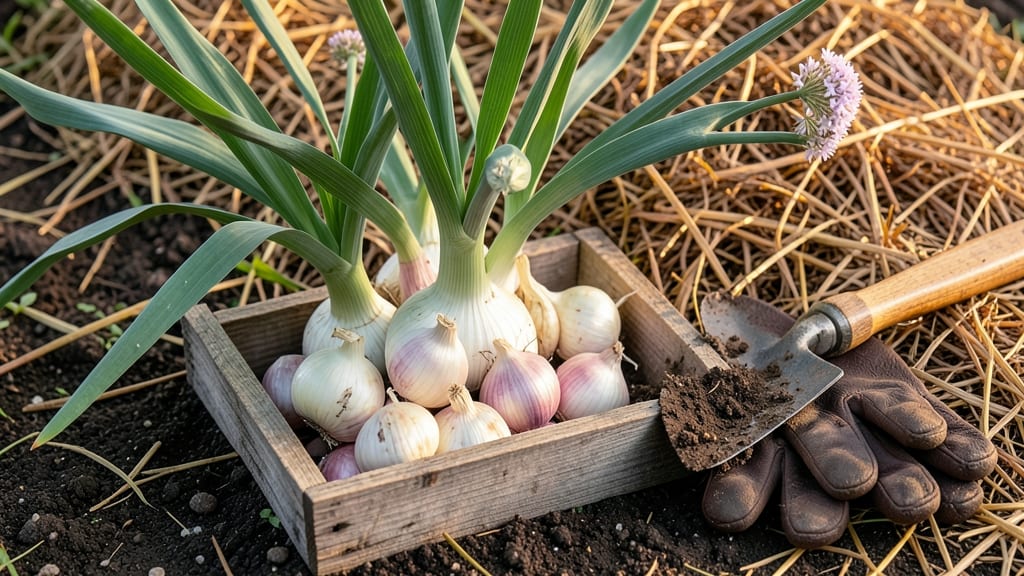
Timing your garlic planting in Northeast Ohio isn't just about the calendar—it's about beating the first frost to give those 🧄 cloves the best shot at growing into plump, flavorful bulbs.
With our 6a climate, you’ve got a narrow window between October and November to plant hardneck varieties, and getting it wrong can mean smaller harvests or worse. The key? Planting 4-6 weeks before the ground freezes—typically by mid-November—to let roots establish before winter sets in.
I’ve seen gardeners in this region struggle with inconsistent results, often because they either plant too early (risking rot) or too late (letting frost damage cloves). The good news?
With the right timing and soil prep, you can avoid these pitfalls and enjoy robust garlic ready for harvest next July or August.
Let me walk you through the exact steps to nail your planting schedule, from soil prep to frost-date tracking, so you can grow garlic that rivals what you’d find at the farmers’ market—and maybe even better.
Optimal planting dates for Northeast Ohio garlic based on frost zones
Northeast Ohio’s USDA Zone 5-6 climate demands precise timing for garlic planting. The key is to plant 4-6 weeks before the ground freezes, typically between early October and mid-November. This window ensures cloves establish roots before winter dormancy begins.
Hardneck varieties like ‘German Red’ or ‘Music’ thrive in Ohio’s winters, but planting too early risks rot, while planting too late stunts bulb development. Aim for soil temperatures between 40°F and 50°F—ideal for root growth without encouraging fungal diseases.
Microclimates matter! Urban areas like Cleveland may freeze earlier than rural Ashtabula. Check your local last frost date (usually November 15) and adjust planting by 2-3 weeks earlier for colder spots.
🌱
| Planting Window | Soil Temp | Key Task | Notes |
|---|---|---|---|
| Early October | 50°F+ | Plant cloves 4" deep | Best for early frost years |
| Mid-October | 45°F-50°F | Mulch heavily (6") | Ideal for most of NE Ohio |
| Late October | 40°F-45°F | Protect from voles | Risk of stunted growth |
| Early November | Below 40°F | Avoid planting | Cloves won't root properly |
For hardneck varieties, prioritize planting by October 15 in most of Northeast Ohio. These varieties need cold stratification to form bulbs, so don’t plant in spring—it yields small, pungent cloves. Softneck varieties (like ‘Artichoke’) can handle later planting but struggle with Ohio’s winters.
Use a moon planting calendar for extra guidance—root crops (garlic’s category) thrive under a waning moon. Mark your calendar for October 20-31 as the safest window in most years.
After planting, apply 4-6 inches of straw mulch to insulate cloves through winter. This prevents heaving (bulbs pushing out of soil) and keeps roots frozen but alive. Remove mulch in late winter to allow spring regrowth.
🌡️
Verify your planting window using Ohio’s frost-free days (typically 165 days from last frost). Count backward from July 15 (average harvest time) to determine your ideal planting date. For example: 165 days before July 15 = December 15—but plant 4-6 weeks earlier for root establishment.
Pro tip: Plant ‘Silverskin’ varieties in late November if you miss the October window—they’re more cold-tolerant. Just expect smaller bulbs. For maximum yield, stick to hardnecks and plant by October 20.
Optimal planting dates for Northeast Ohio garlic based on frost zones
Northeast Ohio’s USDA Zone 5-6 climate demands precise timing for garlic planting. For hardneck varieties—the best choice for Ohio’s winters—aim to plant 4-6 weeks before the ground freezes, typically between mid-October and mid-November.
This window ensures cloves establish roots before dormancy but avoids spring planting, which often yields smaller bulbs.
Check your local first hard frost date (usually November 15 in Ohio) and plant 6-8 weeks prior. For example, if frost hits November 15, plant by October 1. Soil temperatures should be below 40°F but not frozen—use a soil thermometer to confirm.
Adjust for microclimates: Gardens near lakes or in urban areas may experience warmer soils and can plant slightly later. Conversely, elevated or rural areas may need an earlier start. Observe nearby apple or cherry trees—their blooming in spring signals when to expect frost.
Spring planting in Ohio is not recommended for hardneck garlic, as it produces smaller, weaker bulbs. If you miss the fall window, consider softneck varieties (like California Early) for spring planting, but yields will be 50% smaller than fall-planted hardnecks.
Verify your last frost date using the Old Farmer’s Almanac or local Cooperative Extension Service. In Northeast Ohio, April 15 is a safe benchmark for spring growth resumption—planting too early risks frost damage to emerging shoots.
For maximum bulb size, prioritize hardneck varieties like German Red or Music, which thrive in Ohio’s cold winters. These varieties also produce scape shoots in spring, adding bonus harvest value.