
Plants
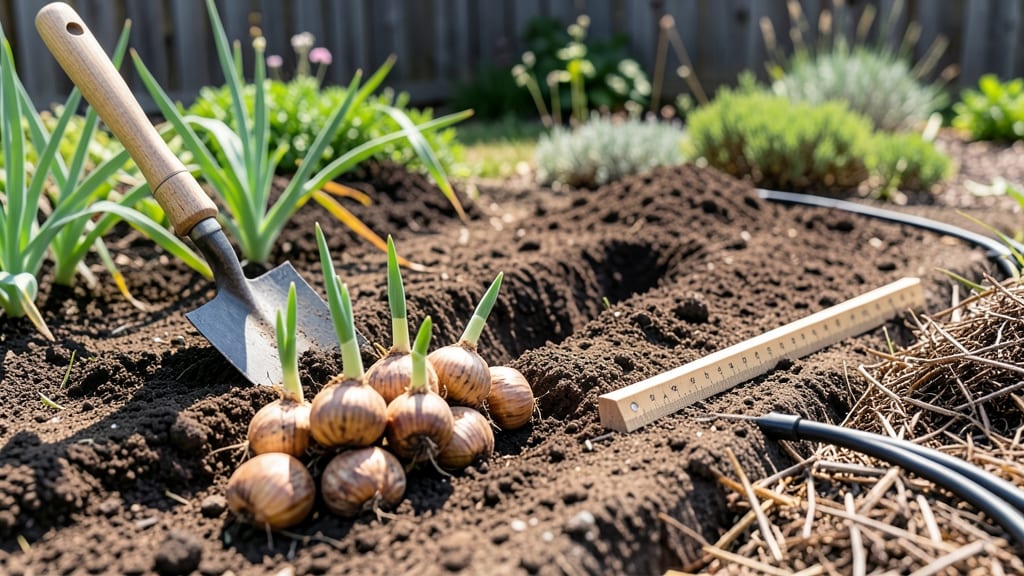
Georgia’s ideal gladiolus planting window: exact dates by region
Gladiolus bulbs thrive in Georgia’s warm climate, but timing is critical to avoid frost damage and ensure summer blooms. The last frost date varies across Georgia’s regions—March 15 in North Georgia (Atlanta) and March 1 in South Georgia (Savannah).
Planting 2-3 weeks after these dates ensures bulbs establish roots before heat arrives.
For peak summer blooms, aim to plant between late March and early April in most of Georgia. This window balances soil warmth (ideal: 60°F+) and moisture availability before summer droughts hit. In USDA Zone 7b (Piedmont), wait until April 1 to avoid late frosts.
Here’s the region-specific planting timeline for Georgia gardeners, including soil temperature thresholds and heatwave considerations:
| Region | Last Frost Date | Ideal Planting Window | Soil Temp Threshold | Bloom Time |
|---|---|---|---|---|
| North Georgia (Atlanta, Zone 7b) | March 15 | April 1–15 | 60°F+ | July–August |
| Central Georgia (Macon, Zone 8a) | March 1 | March 15–April 1 | 55°F+ | June–July |
| South Georgia (Savannah, Zone 8b) | February 15 | February 28–March 15 | 50°F+ | May–June |
In South Georgia, you can even plant as early as late February for earlier blooms, but avoid planting before February 15—soil may still be too cold. For North Georgia, delay until after April 1 to prevent frost damage to emerging shoots.
If you miss the spring window, late summer planting (August) is possible for fall blooms, but bulbs need 120 days to mature. Use heat-tolerant varieties like ‘Green Star’ or ‘Black Pearl’ for better success in Georgia’s summer heat.
Always plant 4–6 inches deep and 4–6 inches apart in well-draining soil. In clay-heavy soils (common in Central Georgia), mix in compost or sand to improve drainage and prevent rot.
Pro tip: Use a soil thermometer to confirm soil temps before planting. Aim for 60°F+ for optimal root growth. In urban areas (like Atlanta), microclimates can be 5–10°F warmer, so adjust planting dates accordingly.
For container gardening, plant bulbs in well-draining pots and keep them in a sunny spot. Containers warm up faster, so you can plant 1–2 weeks earlier than in-ground.
🌸
How to adjust planting for Georgia’s microclimates and heat zones
Georgia’s diverse climate means gladiolus planting times vary dramatically between regions. The Piedmont (Atlanta area) has cooler springs, while the Coastal Plain (Savannah) warms up faster. Even within cities, urban heat islands can push planting dates earlier by 1-2 weeks compared to rural areas.
For USDA Zone 7b (North Georgia), aim for April 1-15 to avoid late frosts. In Zone 8a (South Georgia), you can start as early as March 15. Coastal areas like Brunswick often see soil temperatures hit 60°F by mid-March, giving gardeners a head start.
Here’s how to adapt your planting schedule based on Georgia’s unique conditions:
Wait until April 1-15 when nighttime temps stay above 50°F. Use black plastic mulch to warm soil faster if planting early.
Plant between March 25-April 10. This zone’s clay-heavy soil benefits from pre-planting compost to improve drainage.
Start as early as March 1-15. Use shade cloth (30-50%) for late summer plantings to prevent heat stress.
Plant 1-2 weeks earlier than rural areas. Water deeply every 2-3 days to combat heat stress.
Wait until April 15-May 1 due to later frosts. Choose early-blooming varieties like 'Green Star' for shorter seasons.
For late-summer blooms, try a second planting in June-July using heat-tolerant varieties like 'Pink Parfait'. These will flower just before fall, extending your display. Just
Always check your local Almanac frost dates and adjust by 1-2 weeks based on your microclimate. A simple soil thermometer ($10 at garden centers) will confirm when it’s safe to plant—aim for 60°F+ soil temperatures for best results.