
Plants
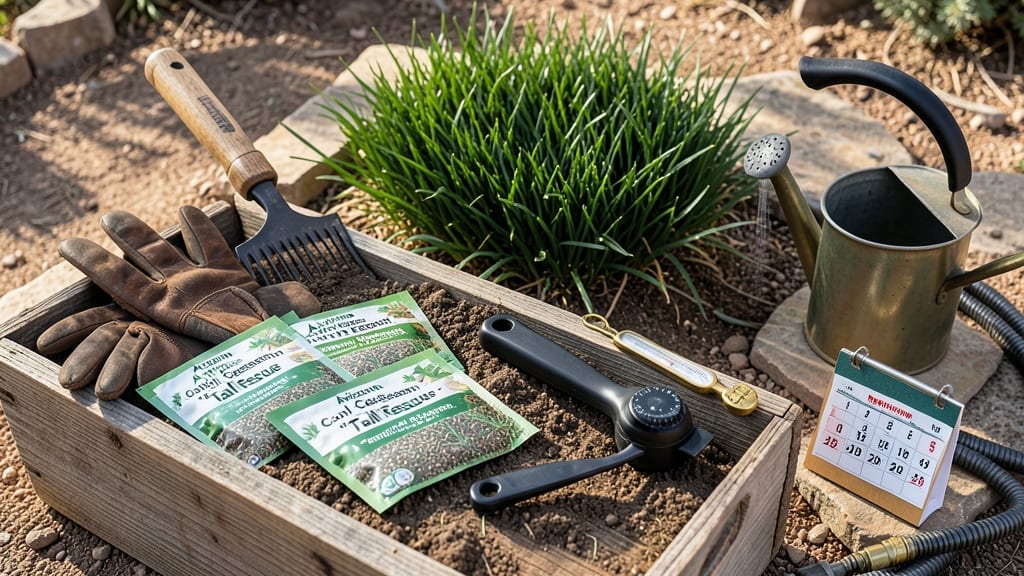
Arizona grass seed planting calendar by microclimate: best months for fast germination
Arizona’s diverse climate zones demand precision when planting grass seed. The Low Desert (Phoenix/Scottsdale) and High Desert (Flagstaff) have wildly different ideal windows. Even the Monsoon Zones (Tucson/Sedona) require timing adjustments to avoid seed loss during sudden downpours.
Let’s break down the exact months and conditions for each microclimate to ensure fast germination (14-21 days) and a resilient lawn.
For all Arizona regions, the golden rule is planting when soil temperatures sit between 65°F and 75°F. This sweet spot maximizes seed viability while minimizing stress from extreme heat or cold.
The two primary windows are early fall (September-November) and late winter (February-March). Avoid spring planting—summer’s relentless sun will turn your seeds into crispy snacks before they sprout.
Here’s how each microclimate stacks up for optimal planting:
| Microclimate | Best Planting Months | Soil Temp Range (°F) | Rainfall Trigger | Grass Type Recommendation |
|---|---|---|---|---|
| Low Desert (Phoenix/Scottsdale) | September-October, February-March | 65-75°F | 0.5-1 inch rainfall or irrigation | Bermuda, Buffalo Grass |
| High Desert (Flagstaff) | September-November, March-April | 55-65°F | 0.75-1.5 inch rainfall | Fescue, Ryegrass |
| Monsoon Zones (Tucson/Sedona) | August-September, February | 60-70°F | Monsoon onset (July-August) or post-winter rains | Blue Grama, Buffalo Grass |
In the Low Desert, September and October are your sweet spots. By late October, temperatures start dropping, and the risk of 100°F+ soil disappears. February-March offers a second chance, but act fast—spring heat arrives by April.
For High Desert areas, extend your window into November. Cooler nights and higher elevation create a gentler environment for seeds.
The Monsoon Zones are trickiest. Plant in August-September to capitalize on monsoon moisture, but be ready to cover seeds with straw if sudden storms hit. February is your backup, but avoid March—spring winds can dry out soil before seeds germinate.
Pro tip: Test soil moisture weekly in these zones; 1-2 inches of rain can turn your lawn into a mud pit overnight.
Never plant during Arizona’s summer months (May-August). Even shade-loving grasses like St. Augustine struggle when soil temps exceed 85°F. Seedlings will bake in the sun within hours. If you’re repairing a lawn in summer, opt for sod over seed—it establishes faster and survives the heat.
For fastest germination, aim for September 15-October 15 in the Low Desert or October 1-November 15 in the High Desert. These windows align with cooler nights and warmer days, creating the perfect balance.
Use a soil thermometer ($10 at garden centers) to confirm temps before planting—below 65°F slows growth, while above 80°F kills seeds.
One final rule: Plant when rainfall forecasts predict 0.5-1 inch within 72 hours. In Arizona, this often means waiting for the monsoon season’s tail end (late August) or scheduling irrigation to mimic natural rain. Without moisture, seeds will dry out and die before sprouting.
🌱
How to prepare your Arizona soil for grass seed success (before planting)
Arizona’s alkaline soil and intense sun demand extra prep work before planting grass seed. Skipping these steps means poor germination and weak roots—especially in Low Desert areas like Phoenix where soil temps can hit 120°F in summer. Let’s fix that with my battle-tested 5-step soil prep routine.
First, test your soil pH using a home test kit (aim for 6.0-7.5). Arizona’s natural alkaline pH (7.5-8.5) can block nutrients. If your reading is above 7.5, mix in elemental sulfur (1 lb per 100 sq ft) and water deeply. For acidic soil (<6.0), use pelletized lime instead.
Next, remove existing weeds—they compete for water and nutrients. Use a manual hoe or organic herbicide (like vinegar + dish soap) 2 weeks before planting. Avoid chemical herbicides, which can kill grass seeds too.
Then, loosen the soil with a garden rake to a depth of 3-4 inches, breaking up compacted layers.
For sandy soils (common in Tucson), mix in 2-3 inches of compost to retain moisture. In clay-heavy areas (like Flagstaff), blend in coarse sand (50/50 ratio) to improve drainage. Level the ground with a rake—uneven surfaces trap water and invite pests.
Now, set up irrigation before planting. Arizona’s drought conditions mean seeds need consistent moisture for 3-4 weeks. Install a drip irrigation system (best for water efficiency) or sprinkler heads on timers. Water lightly 2x/day (morning and evening) for 7 days pre-planting to wake up dormant soil microbes.
Finally, choose the right grass type for your microclimate:
- Low Desert (Phoenix): Bermuda grass (heat-tolerant, drought-resistant)
- High Desert (Flagstaff): Fine fescue (cool-season, shade-friendly)
- Monsoon Zones (Tucson): Buffalo grass (low-water, native)
Buy pre-mixed seed blends labeled for your region to avoid guesswork.