
Plants
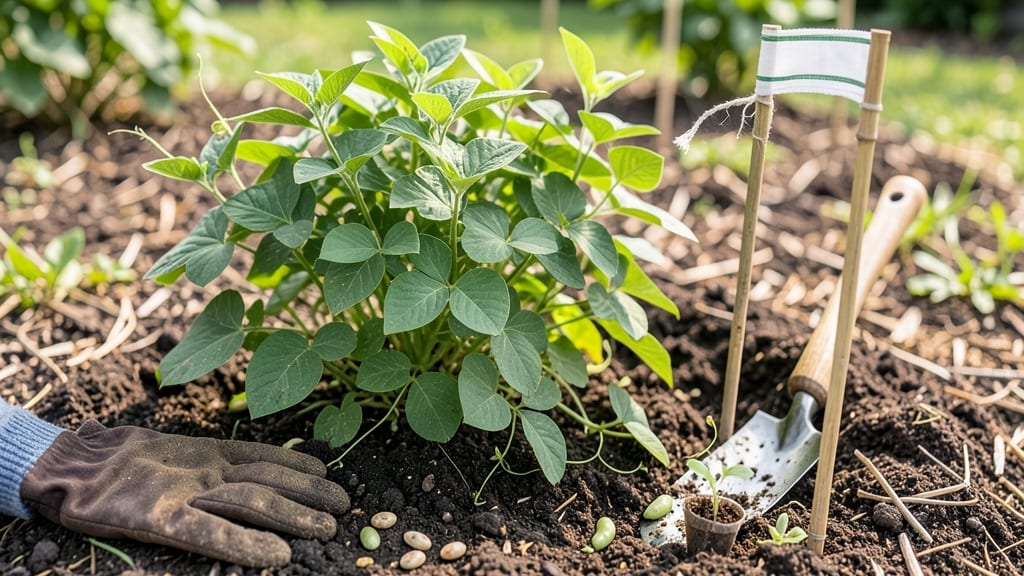
Timing your green bean 🌱 planting in Arkansas isn't just about the calendar—it's about soil temperature secrets that can turn a mediocre harvest into a bumper crop.
Too early, and frost will nip your seedlings before they even sprout; too late, and the summer heat will stress your plants before they produce. But get it right, and you're looking at lush, productive vines that keep giving from June through November.
Here's the game-changer: your green beans need soil that's warmed to at least 60°F to germinate properly. In Arkansas's 7a-8a zones, that means waiting until after your last frost date—typically around March 15—but also timing it so you're not battling July's scorching heat.
The sweet spot? Plant your first batch between March 15 and April 30, then repeat in August for a fall harvest.
Why does this matter? Because fast germination means faster growth, and faster growth means more beans on your plate sooner. Whether you're growing bush beans that stay compact or pole varieties that climb, understanding these temperature cues will help you avoid common pitfalls like slow starts or heat stress.
Let me show you exactly how to read your soil's temperature and pick the perfect planting window for your Arkansas garden.
Ready to transform your green bean game? We'll cover everything from testing soil warmth to choosing varieties that thrive in Arkansas's extended growing seasons—so you can enjoy fresh, homegrown beans from June through November without the guesswork.
Green bean planting calendar for Arkansas: best months by soil temperature
Arkansas's USDA zones 7a-8a create two perfect windows for green beans: spring (March–April) and fall (August–September). The key? Soil must hit 60°F+—cold soil = slow germination. In northern Arkansas, wait until April 15; southern regions can start March 15.
Green beans hate late-summer heat (above 90°F), so avoid planting after July 15 unless you choose heat-tolerant varieties like Blue Lake. Arkansas Extension Service data shows June–July harvests thrive with morning shade during peak heat.
🌱Pro Tip: Use a soil thermometer (or a meat thermometer!) to confirm warmth before planting. If soil’s below 55°F, wait 1–2 weeks or use black plastic mulch to warm it faster.
🌱 Arkansas Green Bean Planting Guide
| Season | Planting Window | Soil Temp | Harvest Time | Notes |
|---|---|---|---|---|
| Spring | March 15–April 30 | 60°F+ | June–July | Best for bush beans; use row covers if frost risk. |
| Fall | August 1–September 15 | 65°F+ | October–November | Ideal for pole beans; avoid planting after Sept 15. |
| ⚠️ Warning: Planting after Sept 15 risks bean beetles and poor pod set. | ||||
For northern Arkansas (e.g., Fayetteville), aim for April 1–May 15—soil warms slower here. Southern Arkansas (e.g., Little Rock) can start March 1–April 1. Check the Arkansas Climate Office for your last frost date—plant 2 weeks after to be safe.
🌡️Soil Temp Hack: Bury your thermometer 2 inches deep (green bean seed depth). If it reads 55–59°F, cover seeds with straw mulch to retain heat. For pole beans, wait until soil hits 65°F—they’re slower to germinate.
Succession planting works in Arkansas! After your first harvest, sow new seeds every 2 weeks until July 15. This stretches your harvest from June to October. Just avoid late-July plantings—beans bolt (flower too fast) in 90°F+ heat.
🌿Variety Tip: Blue Lake beans handle Arkansas’s humidity better than Kentucky Wonder. For late plantings, try Rattlesnake—it resists bean beetles common in September.
Missed the spring window? Don’t panic! Arkansas’s fall planting (August–September) often yields sweeter beans because cooler nights slow starch buildup. Just water deeply in September to combat early frost.
How to test soil temperature for green bean success (with DIY tools)
Green beans need soil temperatures above 60°F to germinate properly. If you plant too early, your seeds might rot in cold soil, wasting time and resources. Testing soil warmth is the secret to timing your planting perfectly for Arkansas's USDA Zones 7a-8a.
You don’t need a fancy thermometer—even a DIY soil temperature gauge can work. The simplest method is to use a meat thermometer (borrowed from your kitchen) or a digital garden thermometer. Insert it 2 inches deep into the soil and wait 5 minutes for an accurate reading.
🌱 Pro Tip: Test soil temperature for 3 consecutive days at the same time (morning is best) to account for daily fluctuations. Arkansas’s northern regions (like Bentonville) may need a later start than southern areas (like Little Rock), so adjust accordingly.
- 🌡️ Meat thermometer (DIY)
- 📏 Digital soil thermometer (best for precision)
- 🌱 Seedling heat mat (for early starts)
- Insert probe into moist soil (dry soil gives false readings)
- Wait 5 minutes for accurate temperature
- Record temps for 3 days to confirm consistency
- Below 60°F: Plant seeds 1 inch deeper (slower germination but safer)
- 60-65°F: Plant at 1-inch depth (ideal for most Arkansas varieties)
- Above 70°F: Plant ½ inch shallower (faster sprouting)
- Cover seeds with floating row covers to warm soil 5-10°F faster
- Remove covers when soil hits 65°F consistently to avoid overheating
- Works best for late-March plantings in cooler Arkansas zones
- Seeds taking 2+ weeks? Soil may still be too cold (55°F or lower)
- Seeds sprouting but wilting? Overwatering or dampening off (reduce watering)
- Healthy sprouts but stunted growth? Nitrogen deficiency (add compost)
If your soil temperature hovers around 55-59°F, consider starting seeds indoors 2-3 weeks early and transplanting once soil warms. Arkansas’s northern counties often face cooler soils in spring, while southern regions can plant as early as mid-March in protected microclimates.
For a foolproof method, use a seedling heat mat under your seed trays to maintain 70-75°F soil temps until you’re ready to transplant. This is especially helpful if you’re aiming for an early-May harvest before summer heat sets in.
Remember, consistent warmth is key—don’t rush! Planting green beans when soil is 60°F or warmer ensures strong, healthy seedlings that can handle Arkansas’s humid summers and late-season heat stress.