
Plants
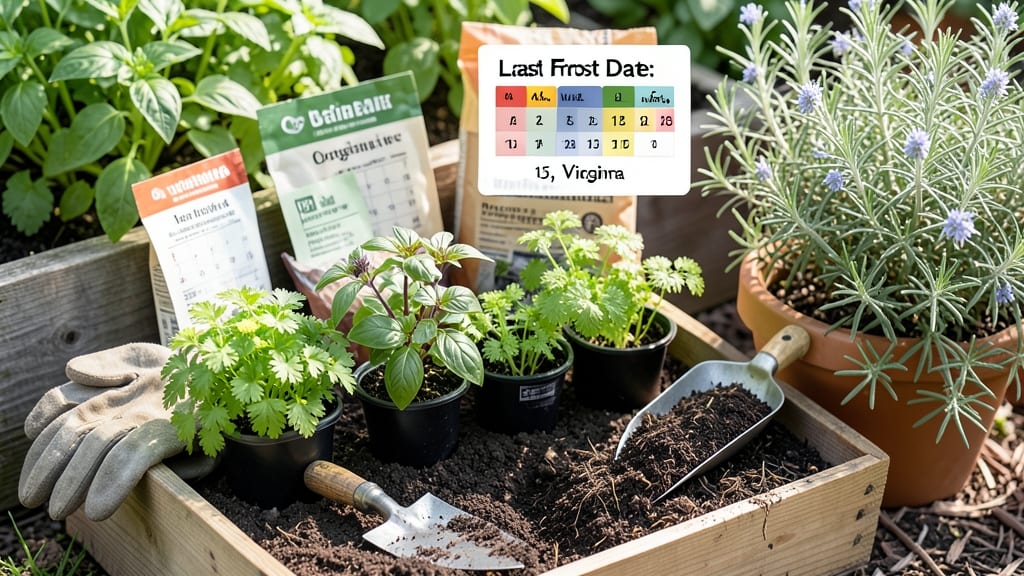
When to plant herbs in Virginia isn't just about following a calendar—it's about outsmarting the state's diverse microclimates, from coastal humidity to mountain chill. Plant too early, and frost will nip your basil before it even sprouts. Too late, and summer's heat can scorch delicate leaves.
With USDA zones 6a-8a and frost dates shifting from March 15 in the north to May 1 in the south, your location dictates everything. The key? Knowing when to start seeds indoors, when to transplant tender herbs, and how to protect perennials like rosemary from winter's bite.
I've grown herbs across Virginia's regions, and what I'm about to share will help you avoid common mistakes—like planting cilantro in sweltering July or missing the perfect fall window for hardy perennials.
Whether you're a city dweller with containers or a rural gardener with space, these insights will maximize your harvest from spring to fall.
Ready to transform your garden into a year-round herb haven? Let's break down the exact months, soil prep secrets, and even how to cheat the system with container growing when your microclimate throws curveballs.
Virginia herb planting calendar by microclimate zones (USDA 6b-8a)
Virginia’s herb planting success hinges on understanding its three distinct microclimates—each with unique last frost dates, soil temperatures, and ideal planting windows.
The Tidewater coastal plain (Zone 7a-8a) enjoys longer growing seasons, while the Piedmont (Zone 6b-7a) faces earlier frosts, and the Appalachian Mountains (Zone 6a) have shorter summers.
Knowing these zones helps you pick the right herbs for your region and avoid common mistakes like planting basil too early in cooler areas.
For example, Zone 8a gardeners in Norfolk can start cilantro and dill as early as mid-February, while Zone 6a growers in Roanoke should wait until mid-April. The key is aligning your planting with soil temperatures of 60°F+—most herbs won’t germinate well in colder soil.
Use a soil thermometer to check before sowing seeds or transplanting seedlings.
Here’s how Virginia’s zones break down for spring and fall planting, including the best herbs for each area and their ideal timing:
| Zone & Location | Last Frost Date | Ideal Planting Window | Best Herbs for Zone | Soil Temp for Germination |
|---|---|---|---|---|
| Zone 8a (Tidewater: Norfolk, Virginia Beach) | March 1–15 | February 20–March 31 (spring) August 15–September 15 (fall) |
Basil, Cilantro, Dill, Oregano, Thyme | 60–65°F |
| Zone 7a (Piedmont: Richmond, Charlottesville) | April 1–15 | March 15–April 30 (spring) August 1–September 10 (fall) |
Rosemary, Sage, Parsley, Chives, Mint | 55–60°F |
| Zone 6a (Mountains: Roanoke, Blacksburg) | April 15–May 1 | April 15–May 15 (spring) July 20–August 10 (fall) |
Lavender, Tarragon, Chervil, Winter Savory | 50–55°F |
🌱 Pro Tip: Use row covers for 2–3 weeks after transplanting to protect tender herbs from late frosts.
If you’re in Zone 7a or 8a, you can even try two harvests per year—plant fast-growing herbs like basil and cilantro in early spring and again in mid-summer for a fall harvest.
However, avoid planting heat-sensitive herbs like parsley in July or August, as Virginia’s summer heat (often exceeding 90°F) can cause bolting or bitter flavors.
For Zone 6a gardeners, focus on hardy perennials like thyme and oregano, which tolerate cooler soils and shorter growing seasons. These herbs can even survive light frosts and regrow in spring, giving you a head start.
Mulching with straw or shredded leaves in fall helps insulate roots and extends the growing season by 2–4 weeks.
One common mistake is planting rosemary and lavender too early in spring. These Mediterranean herbs thrive in well-draining soil and full sun, but they won’t establish roots quickly in cold, wet Virginia springs.
Wait until mid-April in Zone 7a or early May in Zone 6a to give them the warm soil they need. If you’re eager to grow them earlier, start them indoors under grow lights 6–8 weeks before the last frost.
Container gardening is a game-changer for Virginia’s urban areas (like Arlington or Alexandriaherbs like basil and chives 2–3 weeks earlier than in-ground. Just ensure your pots have drainage holes and use a lightweight potting mix to prevent waterlogging.
Remember, Virginia’s humidity and summer heat can stress herbs, so always pair planting timing with proper watering and shading strategies. For example, mint and parsley prefer consistent moisture, while thyme and rosemary need excellent drainage to avoid root rot.
Adjust your watering schedule based on your zone—Zone 8a may need daily watering in July, while Zone 6a can stretch watering to every 5–7 days.
How to adjust planting times for Virginia’s unpredictable weather patterns
Virginia’s weather can be as unpredictable as a summer storm—one day it’s 60°F and sunny, the next it’s a 32°F surprise frost. Late frosts in April or early heatwaves in May can derail even the most careful gardener.
The key is flexibility: knowing how to shift planting windows and protect tender herbs when Mother Nature throws curveballs.
For example, basil planted too early in the Piedmont region (Zone 7a) might get nipped by a late frost, while rosemary in the Mountains (Zone 6b) could struggle if planted too late in summer’s heat. The solution? Monitor soil temperatures and use season extenders like row covers or cold frames.
Here’s how to stay ahead of Virginia’s weather quirks and keep your herbs thriving year-round:
Virginia’s last frost dates vary 2-4 weeks by region. Use hardening-off techniques for seedlings and keep row covers handy for Zone 6b gardeners. Basil and cilantro are especially vulnerable—wait until soil temps reach 55°F before planting.
🌱 Pro Tip: Start heat-loving herbs (basil, oregano) in containers so you can move them indoors if frost threatens.
If you’re in Tidewater (Zone 8a), you might escape late frosts entirely, but early summer’s 90°F+ heat can stress herbs like parsley and dill. The fix? Plant these cool-season herbs in late summer (August) for a fall harvest, or use shade cloth to protect them from afternoon sun.
Container gardening is a game-changer for urban Virginia gardeners. Potted herbs can be moved to shadier spots during heatwaves or brought indoors if frost is forecasted. Just ensure pots have drainage holes and use lightweight potting mix to prevent root rot from heavy summer rains.
For drought-resistant herbs like thyme or rosemary, time your planting to avoid Virginia’s dog days of summer (July-August). Instead, sow seeds or transplant in early spring (March) or late summer (August) to give roots time to establish before extreme heat sets in.
Finally, keep an eye on your local Almanac frost dates—they’re not just guesswork. Adjust your planting schedule by 1-2 weeks if your area has a history of unusually early frosts or late heatwaves.
With a little planning, you can turn Virginia’s unpredictable weather into an advantage for a longer, more productive herb garden. 🌿