
Plants
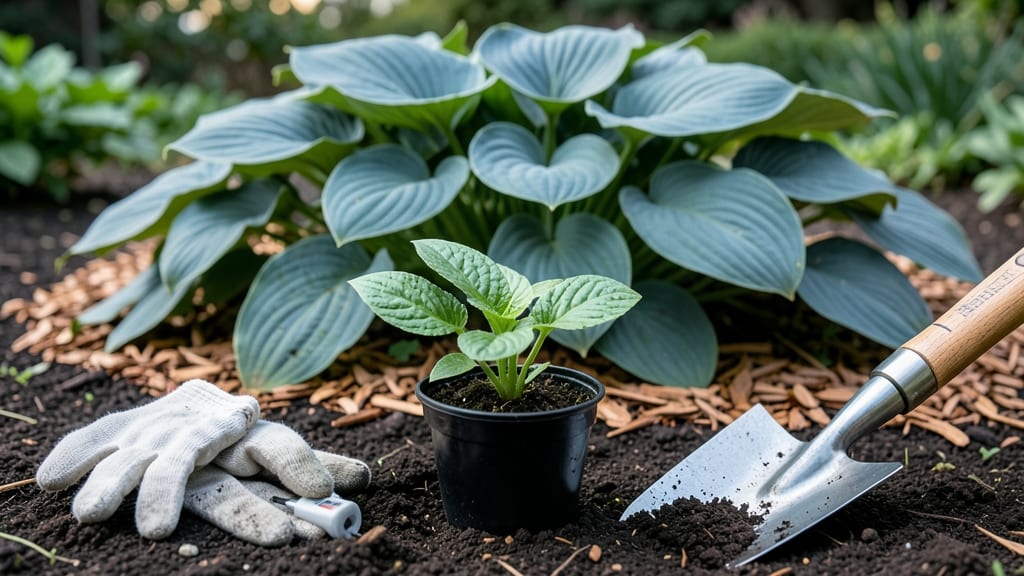
Planting hostas in Tennessee at the wrong time can mean the difference between vibrant, thriving foliage and struggling plants that never reach their full potential. With your state’s 6a-7b climate, timing is everything—whether you're in the mountains or a valley region.
The ideal window for planting these shade-loving perennials is early spring (March-April) or early fall (September-October). This gives hostas 🌿 time to establish strong roots before summer heat or winter frost sets in. Skipping this timing can lead to weak growth or even pest problems.
But here’s the thing: Tennessee’s microclimates mean what works in Nashville might not suit Chattanooga. I’ll break down exactly how to adjust your planting schedule based on your specific zone, soil conditions, and even local weather patterns.
Ready to grow hostas that wow? Let’s dive into the zone-specific strategies that’ll have your garden looking lush all season long—without the guesswork.
Best planting months for hostas in Tennessee’s zones 6-7
Tennessee’s USDA Zones 6-7 offer the perfect balance for growing hostas, but timing your planting correctly ensures they establish strong roots before summer heat or winter frost.
The ideal windows are early spring (March–April) and early fall (September–October), when soil temperatures hover between 50–65°F—ideal for root growth without stress.
Spring planting gives hostas a full growing season to mature before winter, while fall planting allows roots to establish before dormancy.
In Zone 6 (cooler regions like East Tennessee), aim for late March to mid-April to avoid late frosts. Zone 7 (West and Middle Tennessee) can start slightly earlier, around mid-March, but monitor frost forecasts closely.
Here’s how Tennessee’s climate influences your planting schedule:
| Season | Ideal Planting Months | Soil Temp Threshold | Key Considerations |
|---|---|---|---|
| Spring | March–April | 50–65°F | Avoid planting before last frost (mid-April in most areas). |
| Fall | September–October | 55–60°F | Plant at least 6 weeks before first frost (typically mid-October). |
In Zone 6, where frosts linger longer, prioritize late April for spring planting to give young plants time to harden off. For Zone 7, early March is safe if you’re using mulch to protect roots from temperature swings.
Always check your local frost date averages—urban areas like Nashville may experience earlier last frosts than rural Appalachian regions.
Fall planting in Tennessee works best if you choose hardy varieties like 'Francee' or 'Blue Angel', which tolerate cooler soils. Plant in September for a head start, but avoid late October plantings—they may not root deeply enough before winter dormancy.
Use 3–4 inches of mulch to insulate roots and retain moisture.
If you’re in a transition zone (e.g., Zone 6b/7a like Chattanooga), err on the side of earlier spring or later fall planting. Container-grown hostas adapt better to timing shifts, but in-ground plants need consistent soil conditions.
Amend your soil with compost to improve drainage—hostas hate soggy roots and are prone to slug damage in wet conditions.
For container hostas, timing is less critical, but still aim for spring or early fall. Pots warm up faster than ground soil, so avoid planting before mid-April unless you’re using a heat mat or greenhouse setup.
In containers, monitor moisture closely—potted hostas dry out 3x faster than in-ground plants.
One common mistake Tennessee gardeners make is planting too early in spring, when soil is still cold. This delays root establishment and leaves plants vulnerable to late frosts.
Always wait until you can dig 6 inches deep and feel soil warmth—if it’s cooler than 50°F, wait another week. Frost-sensitive varieties like 'Halcyon' need extra protection during these windows.
To maximize success, pair your planting with proper site prep: choose a spot with partial shade (especially in Zone 7’s hotter summerswell-draining soil. Add organic matter like leaf mold or aged compost to improve fertility.
After planting, water deeply to settle soil around roots, and apply a 2-inch layer of mulch to retain moisture and regulate temperature.
Hostas planted at the right time in Tennessee reward you with bold foliage by summer and low-maintenance perennials that return year after year. Whether you’re a beginner gardener or a seasoned pro, mastering these timing cues will set your hostas up for decades of lush, pest-resistant growth. 🌿
Best planting months for hostas in Tennessee’s zones 6-7
Tennessee’s USDA Zones 6-7 offer two perfect windows for planting hostas: early spring and early fall. These timings align with soil warmth and frost-free periods, ensuring strong root establishment.
In Zone 6, aim for March 15–April 15 in spring or September 15–October 15 in fall, while Zone 7 gardeners can extend spring planting to April 30 and fall planting to November 1.
Spring planting gives hostas time to establish roots before summer heat, while fall planting allows roots to grow before winter dormancy. Avoid planting in late spring (May–June) or late fall (November–December), as extreme heat or frost can shock young plants.
Tennessee’s humid summers also make late spring planting risky for fungal diseases.
Soil temperature is your best guide: Hostas thrive when soil reaches 60°F (15°C). Use a soil thermometer to test—plant when temperatures consistently stay above this threshold. In Tennessee’s valley regions, soil warms faster than in mountain areas, so adjust planting dates accordingly.
For container gardening, you can extend planting into late spring (May) or early fall (October) since pots warm up faster. However, monitor soil moisture closely—containers dry out quickly in Tennessee’s summer heat.
If planting in full shade, you have slightly more flexibility, but still prioritize soil warmth over calendar dates.
Pro tip: Purchase container-grown hostas instead of bare-root plants in spring. They establish faster and handle Tennessee’s humidity better than delicate starts. For fall planting, choose smaller varieties (e.g., 'Blue Angel' or 'Halcyon') to give roots time to adjust before winter.
Always amend your soil with 2–3 inches of compost before planting to improve drainage—a critical factor in Tennessee’s clay-heavy soils. Mulch with 3–4 inches of shredded leaves or pine straw to retain moisture and regulate soil temperature.