
Plants
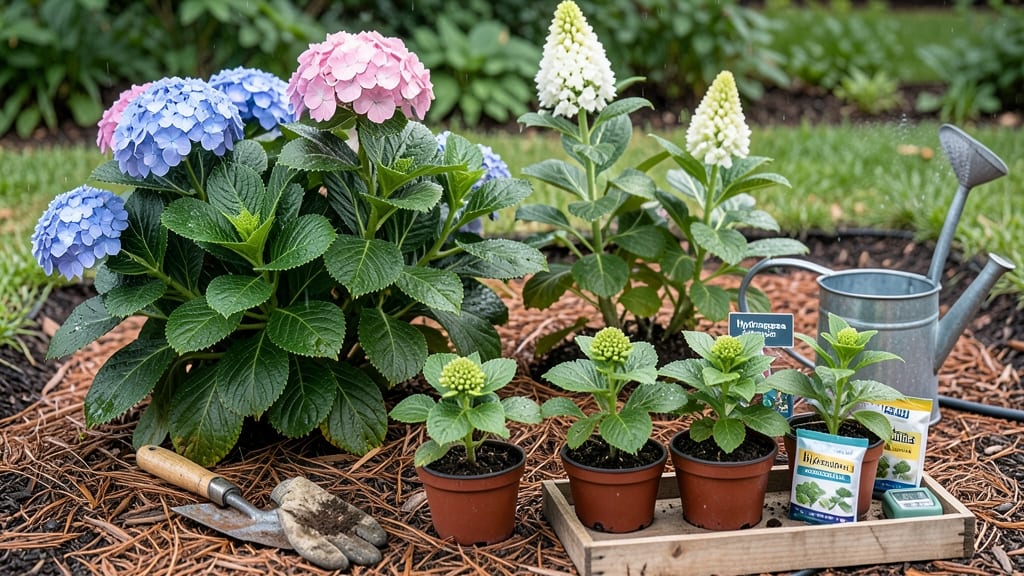
Illinois hydrangea planting timeline by hardiness Zone (5a-6b) with frost dates
Timing your hydrangea planting in Illinois depends heavily on your USDA hardiness zone, which ranges from 5a in northern areas to 6b in the south. The last average frost date shifts dramatically—from mid-April in Zone 6b to late April in Zone 5a.
Planting too early risks frost damage, while waiting too long delays root establishment. Let’s break down the ideal planting windows for each zone to ensure your hydrangeas thrive.
Hydrangeas need soil temperatures above 55°F to establish roots successfully. In Illinois, this typically aligns with late April to early May for most regions, but microclimates (like urban heat islands in Chicago) can shift these dates by 1-2 weeks earlier.
For container-grown hydrangeas, you can plant 2-3 weeks later since their roots are less sensitive to cold soil.
Here’s the zone-by-zone planting timeline for Illinois, including frost dates and soil temperature thresholds:
For Zone 5a gardeners, the window is tight—planting after May 15 risks stunted growth due to Illinois’ short growing season. In contrast, Zone 6b offers flexibility, allowing late plantings up to June 1 for hardy varieties like panicle hydrangeas.
Always check your local Almanac frost dates or use the USDA Plant Hardiness Zone Map for precise timing.
Pro tip: Test your soil temperature with a soil thermometer before planting. If it’s below 55°F, wait 1-2 weeks or use black plastic mulch to accelerate warming. In clay-heavy soils common in northern Illinois, amend with compost or sand to improve drainage and root growth.
Fall planting is also an option in Illinois, but it must be done 6-8 weeks before the first frost. This gives roots time to establish before winter.
For container-grown hydrangeas, fall planting can extend to October 15 in Zone 6b, but avoid it in Zone 5a unless you’re using insulated containers.
🌸
Best hydrangea varieties for Illinois: early vs. late planting strategies
Choosing the right hydrangea variety for Illinois isn’t just about color—it’s about timing. Bigleaf hydrangeas (Hydrangea macrophylla), like 'Endless Summer,' demand earlier planting in Zone 5a (April 15–May 15), while panicle hydrangeas (H. paniculata) and oakleaf hydrangeas (H. quercifolia) can handle later windows (May 1–June 1).
This flexibility matters because Illinois’ climate swings from late spring frosts in the north to humid summers in the south.
For Zone 5a gardeners, like those in Chicago or northern Illinois, bigleaf varieties need soil temps above 55°F to avoid frost damage.
In Zone 6b (e.g., Springfield or southern Illinois), you’ve got more wiggle room—panicle types like 'Limelight' can even handle June plantings if you’re using container-grown plants with established roots.
If you’re in Zone 5a, stick to bigleaf or smooth hydrangeas planted by May 15—any later, and you risk root shock or frost damage. For Zone 6b, panicle types like 'Little Lime' can even handle June plantings if you use 1-gallon containers with established roots.
Pro tip: Container-grown plants adapt faster than bare-root ones, giving you a 2-3 week buffer for late spring plantings.
For fall planting (September–October), all varieties thrive—just ensure soil temps stay above 45°F for root growth. Oakleaf hydrangeas, in particular, benefit from fall planting because their roots establish before winter, giving them a head start in spring.
Just avoid planting after October 15, or new roots won’t harden before frost.
Remember: Soil prep is just as critical as timing. Illinois’ clay-heavy soils drain poorly, so amend with compost or sand to improve drainage. For container planting, use a well-draining potting mix and larger pots (15+ gallons) to prevent root rot—a common issue in Illinois’ humid summers.
🌸