
Plants
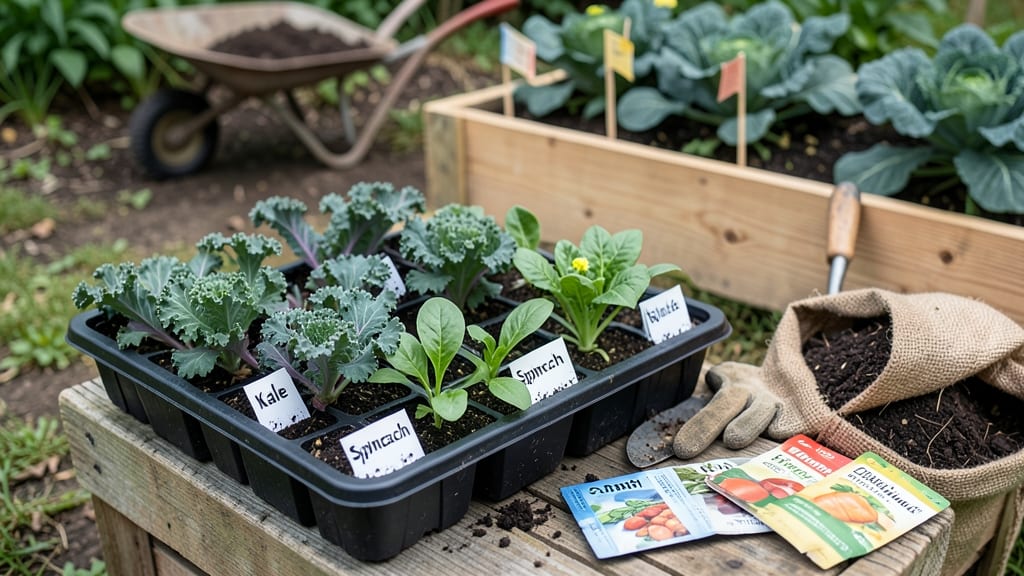
When to plant in Wisconsin isn’t just about following a calendar—it’s about outsmarting Mother Nature’s unpredictable frost dates that can turn your hard work into a sad, frozen memory. Whether you’re dreaming of juicy tomatoes or vibrant flower beds, planting too early or too late can make all the difference between a thriving garden and a disappointing one.
With Wisconsin’s USDA zones 4a-6b and short growing seasons, knowing the right moments to plant your 🌱 General Wisconsin Planting Guide crops is the key to success. From cool-season veggies like spinach to heat-loving peppers, each plant has its own sweet spot for when to hit the soil.
Let’s break down the best windows for spring and fall planting so you can maximize your harvest.
You’ll discover how to work with Wisconsin’s average last frost dates—typically mid-April to early May—and how to adjust for your specific microclimate. Whether you’re in the city or the countryside, these insights will help you plan like a pro, ensuring your garden thrives all season long.
Ready to turn your garden dreams into reality? I’ll walk you through everything you need to know, from the perfect planting calendar to smart strategies for extending your growing season. Let’s get your Wisconsin garden on the right track!
Wisconsin frost-free dates by USDA hardiness zones (2024 guide)
Wisconsin spans USDA Hardiness Zones 3-5, meaning frost dates vary dramatically from north to south. In Zone 3 (northern WI), the average last frost arrives around May 15, while Zone 5 (southern WI) sees frost-free conditions by April 20.
These dates shift yearly—always verify with local National Weather Service updates before planting.
Microclimates add complexity. Urban areas like Milwaukee (Zone 5b) often warm faster than rural Green Bay (Zone 4a). A south-facing slope can be 2-3 weeks earlier than a low-lying valley. Use these frost-free averages as guidelines, not rules.
For cool-season crops (spinach, kale, peas), plant 4-6 weeks before your last frost date. Warm-season crops (tomatoes, peppers, beans) need soil temperatures above 50°F and should wait until 2-3 weeks after the last frost. Use a soil thermometer to confirm readiness.
Northern Wisconsin’s shorter growing season (100-120 frost-free days) favors fast-maturing varieties like ‘Early Girl’ tomatoes (55 days) or ‘Sugar Ann’ peas (60 days). Southern Wisconsin’s 140-160 frost-free days allow for longer-season crops like ‘Brandywine’ tomatoes (80 days).
First frost dates also vary: northern WI (Zone 3) averages September 20, while southern WI (Zone 5) can extend until October 10. Plan fall plantings accordingly—broccoli, Brussels sprouts, and carrots thrive when sown 8-10 weeks before your first frost.
| Zone | Last Frost Date | First Frost Date | Frost-Free Days | Key Crops |
|---|---|---|---|---|
| 3a (North) | May 15–20 | Sep 15–20 | 100–120 | Peas, spinach, kale, fast tomatoes |
| 4a (Central) | May 1–10 | Sep 25–Oct 5 | 120–140 | Lettuce, carrots, beans, zucchini |
| 5a (South) | Apr 20–May 1 | Oct 5–10 | 140–160 | Tomatoes, peppers, corn, melons |
🌱 Note: Adjust dates 1–2 weeks earlier for urban areas or south-facing slopes.
Use row covers or cold frames to extend your season by 2-4 weeks in both spring and fall. For example, planting cabbage under a floating row cover in early April (Zone 4) can yield harvests by June, beating the natural last frost by weeks.
Wisconsin’s wet springs can delay planting—wait until soil is workable (not muddy). A simple soil squeeze test works: if soil crumbles when pressed, it’s ready. In drought years, prioritize drought-tolerant crops like Swiss chard or kale over moisture-loving lettuce or radishes.
Track your local frost dates for 3+ years to spot patterns. The UW-Madison Extension offers free frost date maps updated annually. For example, Madison (Zone 5a) hit May 5 in 2020 but May 20 in 2022—planting tomatoes on May 10 would’ve failed in 2020 but succeeded in 2022.
Pro tip: Plant hardy perennials (asparagus, rhubarb) in early spring (March–April) while soil is still cool. These cold-tolerant crops establish roots before summer heat sets in, ensuring stronger yields for years to come.
Always keep a frost watch calendar handy. When temps dip below 28°F, cover tender plants with lightweight blankets or frost cloth. Even Zone 5’s late-season crops can suffer damage without protection.
Best planting calendar for Wisconsin vegetables, flowers & herbs
Wisconsin’s growing season is short but packed with opportunities—if you know the right month-by-month planting windows. Cool-season crops like spinach and peas thrive in early spring, while tomatoes and peppers need warmer soil. Here’s my battle-tested calendar to maximize your harvest.
Start with cool-season crops in March (under row covers) for a head start. By April, most of Wisconsin is ready for hardy vegetables like lettuce and radishes. Warm-season plants like beans and cucumbers wait until late May when soil temps hit 55°F+.
🌱
Plant cool-loving crops like peas, spinach, and kale. Use row covers for protection.
Warm-season tomatoes, peppers, and squash go in after last frost (mid-May).
Succession plant beans, lettuce, and herbs every 2–3 weeks for continuous harvests.
Plant broccoli, carrots, and kale for a fall harvest before first frost.
Direct-sow garlic and hardy perennials for next year’s growth.
For flowers like marigolds and zinnias, sow seeds directly in May–June after frost risk passes. Herbs like basil and cilantro prefer warmer temps, so wait until late May—unless you’re using a cold frame.
Pro tip: Use succession planting for lettuce and radishes—sow new seeds every 2 weeks to avoid gluts. In Zone 4, aim for two harvests of peas (early spring + late summer).
📅