
Plants
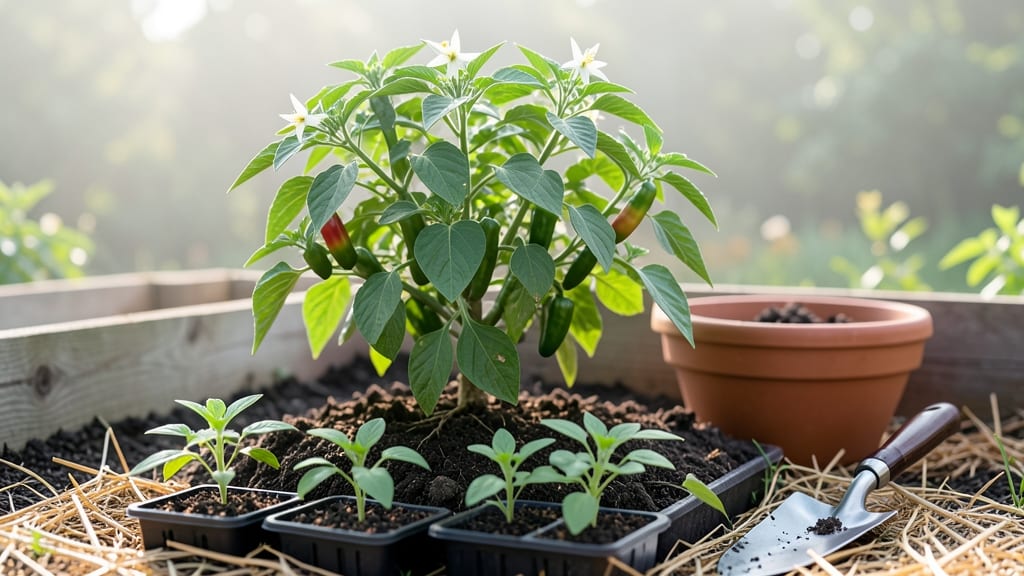
Planting jalapeños in Florida isn’t just possible—it’s a year-round adventure, but timing is everything. The wrong month could mean struggling with heat stress or missing your harvest window entirely, especially when those 🌶️ pods need just the right conditions to thrive.
Florida’s frost-free zones (9a-11) give you flexibility, but heat and humidity play tricks on jalapeños if you’re not careful. I’ve grown them here for years, and the key is understanding how to work with Florida’s climate—not against it.
Whether you’re starting seeds indoors or sowing directly, the right timing can mean the difference between a bountiful harvest and a sad, wilted plant.
You’ll discover exactly when to plant for maximum yield, which varieties handle Florida’s summer heat best, and how to avoid common mistakes that derail even the most eager gardeners. Let’s break down the perfect schedule so you can enjoy fresh, spicy jalapeños from spring through fall—without the guesswork.
From soil prep to pest watch, I’ll walk you through every step so your jalapeños grow strong, productive, and packed with that signature Florida kick. Ready to turn your garden into a spice factory?
Best months to plant jalapeños in Florida (with heat-zone breakdown)
Florida’s frost-free climate means you can grow jalapeños year-round, but timing still matters to avoid heat stress or poor germination. Unlike northern states, your biggest challenge isn’t frost—it’s intense summer heat that can stunt growth or cause blossom drop.
The key? Plant when soil temps hit 70°F+ and align with your USDA Zone (9a-11).
North Florida (Zone 9a) has cooler winters and occasional light frosts (Jan-Feb), while South Florida (Zone 11) stays warm year-round. Central Florida (Zone 9b-10a) is the Goldilocks zone—mild winters and hot summers. We’ll break down exact planting windows for each, plus pro tips for direct sowing vs. transplants.
🌱 Pro Tip: Use black plastic mulch to warm soil faster in early spring or shade cloth to protect seedlings from midday summer sun.
For North Florida gardeners, focus on spring transplants (Feb-March) to beat the humidity spike in summer. In Central Florida, you can direct-sow in late winter (Jan-Feb) for an early harvest, but protect seedlings with row covers if temps dip below 60°F.
South Florida’s year-round growing means you can stagger plantings every 2 months for continuous harvests. Just monitor for aphids and whiteflies, which thrive in the heat and humidity. A neem oil spray every 2 weeks keeps pests in check.
🌡️ Heat Hack: In summer, plant jalapeños in containers with 50% perlite to improve drainage and cool roots. Move pots to partial shade during peak heat (12–3 PM).
One common mistake? Planting too late in summer (June-July) without shade. Seedlings bolt (send up flowers) before establishing roots, leading to small, bitter peppers. If you must plant then, use 50% shade cloth until seedlings are 4 inches tall.
For fall plantings, aim for Sept-Oct in North Florida to harvest before cool snaps. In South Florida, fall crops avoid the hottest months and often produce sweeter peppers with cooler nights. Always test soil pH (6.0–6.8) before planting—Florida’s sandy soil often needs compost or peat moss.
Need a quick reference? Bookmark this: North Florida = Feb-Mar or Sept-Oct, Central/South = year-round with season adjustments. With the right timing, you’ll enjoy jalapeños from spring to fall—no frost worries, just spicy success!
Best months to plant jalapeños in Florida (with heat-zone breakdown)
Florida’s frost-free zones (9a-11) let you grow jalapeños year-round, but timing still matters to avoid heat stress or disease pressure. North Florida (Zone 9a) has occasional light frosts in January, while Central and South Florida stay warm all year.
For best results, align planting with soil temperatures and humidity patterns—not just calendar months.
Direct sowing works best when soil reaches 70°F+, which typically happens by mid-March in North Florida and February in Central/South. If you start seeds indoors, begin 8-10 weeks before your target transplant date. Florida’s long growing season also allows for successive plantings every 2-3 weeks to stagger harvests.
🌱 Florida Jalapeño Planting Timeline
| Zone | Best Planting Window | Soil Temp Threshold | Key Consideration |
|---|---|---|---|
| North (9a) | March–April (transplant) or May–June (direct sow) | 70°F+ | Avoid early plantings—frost risk until mid-March. |
| Central (9b) | February–March (transplant) or April–May (direct sow) | 70°F+ | Peak humidity in summer—use raised beds for airflow. |
| South (10a-11) | Year-round (best Jan–Feb or Aug–Sept) | 65°F+ | Heat tolerance varies by variety—choose NuMex Sandia for summer. |
🌡️ Pro Tip: Use a soil thermometer to confirm readiness—cold soil delays germination.
For North Florida growers, focus on spring plantings (March–April) to beat summer’s oppressive heat and humidity. In Central Florida, you can extend harvests by planting again in late summer (August) for fall peppers.
South Florida gardeners enjoy year-round flexibility, but avoid planting during peak hurricane season (June–October)
Microclimates play a huge role in Florida. Coastal areas stay warmer and more humid than inland spots, while elevated gardens (like those in Orlando’s Lake County) dry out faster. Adjust watering and mulching based on your specific conditions. For example, black plastic mulch raises soil temps by 5–10°F, ideal for early spring starts in cooler zones. One common mistake? Planting too late in North Florida and ending up with underripe peppers before winter’s chill sets in. Aim to harvest before October’s first cool snap (avg. 70°F nights). In South Florida, the opposite happens—peppers can overripe and turn red if left too long in summer’s relentless sun. Harvest regularly to encourage new fruit! To maximize your jalapeño yield, pair planting with companion crops like basil or marigolds to deter pests. In Florida’s heat, drip irrigation beats overhead watering to prevent fungal diseases like early blight. Start with well-draining soil (amend with compost) and watch for aphids or spider mites, which thrive in Florida’s humidity.