
Companion Plants
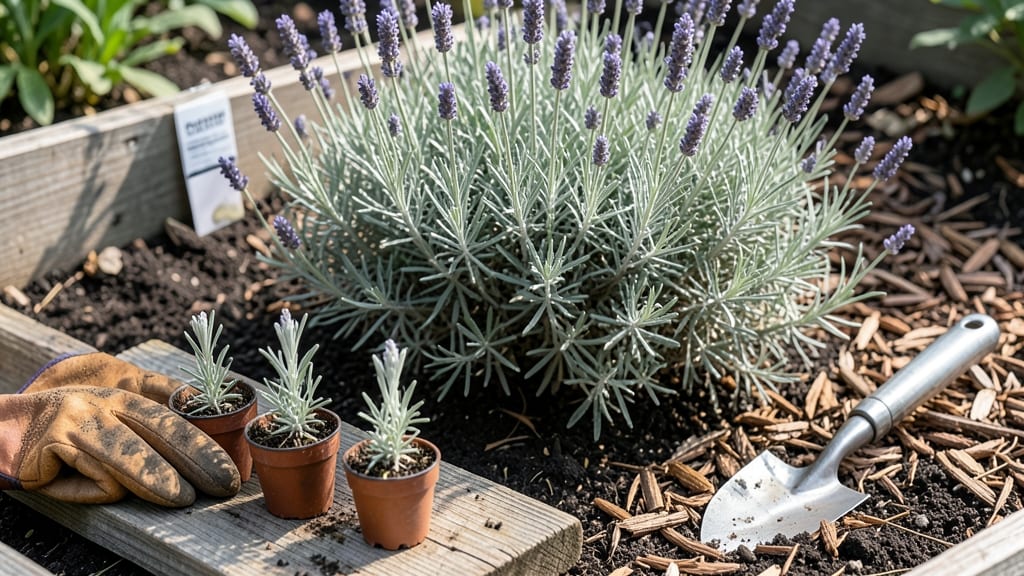
Timing your lavender planting in Pennsylvania can make or break your garden's success—get it wrong, and you might end up with stunted plants or no blooms at all. Pennsylvania's climate, with its Zone 5b-7a variations, demands precision, especially when dealing with a plant as delicate as lavender 🌿.
Most gardeners in PA swear by planting in early spring—just after the last frost date—when the soil warms up but before summer's scorching heat sets in. But did you know fall planting can also work wonders?
The key lies in understanding your specific microclimate and frost dates, which can vary drastically from Pittsburgh to Philadelphia.
In this guide, I’ll break down the exact planting windows for your region, including soil prep tricks and spacing hacks to ensure your lavender thrives.
Whether you're a first-time gardener or a seasoned pro, these insights will help you avoid common mistakes and set your lavender up for blooms that last.
Ready to transform your garden into a fragrant haven? Let’s dive into the best times to plant lavender in PA—and how to keep it healthy through winter—so you can enjoy those purple spikes year after year.
Best planting windows for lavender in PA by frost dates
Timing your lavender planting in Pennsylvania is all about avoiding late frosts and giving roots time to establish before winter dormancy. With PA’s USDA Zones 6-7, your best windows are early spring or early fall, when soil temperatures stay above 50°F (10°C).
Lavender hates soggy soil, so planting too early in cold, wet spring soil can drown roots. Meanwhile, fall planting must finish 6-8 weeks before first frost—typically by mid-September in most of PA—to allow root growth before winter.
Northern PA (Zone 6) has earlier frosts than southern PA (Zone 7). For example, Erie averages its last frost on May 5, while Philadelphia sees its last frost by April 15. Adjust your schedule accordingly!
Here’s my PA-specific frost-date guide to pinpoint the perfect planting window for your region:
| Region | Last Frost Date | Best Spring Planting | Best Fall Planting |
|---|---|---|---|
| Northern PA (Zone 6) | May 5 | April 15–May 15 | September 1–15 |
| Central PA (Zone 6-7) | April 20 | March 20–April 15 | September 15–30 |
| Southern PA (Zone 7) | April 15 | March 1–April 15 | October 1–15 |
⚠️ Note: Microclimates (e.g., near lakes or urban areas) can shift frost dates by 2+ weeks!
For spring planting, aim for March-April once soil warms to 50°F (10°C). Test with your finger—if soil feels cool but workable, it’s ready. In fall, plant 6-8 weeks before first frost to avoid winter stress.
If you miss these windows, consider container growing. Pots dry out faster, giving you more flexibility to plant anytime soil is workable. Just ensure containers have drainage holes and use well-draining potting mix.
Pro tip: Hardening off nursery-grown lavender for 7–10 days before planting reduces transplant shock. Acclimate plants to outdoor conditions gradually by moving them to shade for a few hours daily, then increasing sun exposure.
Lavender thrives in full sun, so choose a spot with 6+ hours of direct sunlight. In PA’s climate, south-facing slopes or roof gardens often provide ideal warmth and drainage.
Remember, fall-planted lavender often blooms more vigorously the following year because roots establish without summer heat stress. But spring planting gives you an earlier harvest if you’re eager!
🌿
Best planting windows for lavender in PA by frost dates
Pennsylvania’s USDA Zones 6-7 create a unique challenge for lavender lovers—too early, and frost will kill tender roots; too late, and summer heat arrives before roots establish. The ideal planting windows are early spring (March-April) or early fall (September-October), timed to avoid both extremes.
For spring planting, aim for 2-4 weeks after your average last frost date (typically mid-April in most of PA). This gives roots time to settle before summer heat peaks.
In northern PA (Zone 6), wait until late April to avoid late frosts, while southern PA (Zone 7) can plant as early as mid-March.
Fall planting offers a second chance, with September-October being ideal. Plant 6-8 weeks before first frost (usually mid-October) to allow roots to establish before winter dormancy. This method often yields healthier plants with fewer transplant shocks.
| Planting Window | PA Region | Key Considerations | Best Time |
|---|---|---|---|
| Early Spring | Northern PA (Zone 6) | Avoid late frosts; soil must thaw | Late April |
| Early Spring | Southern PA (Zone 7) | Warmer microclimates allow earlier starts | Mid-March |
| Early Fall | All PA Regions | 6-8 weeks before first frost; roots establish before winter | September-October |
| Late Fall (Risky) | Northern PA Only | Only for hardy varieties with winter protection | November (high risk) |
🌱 Pro Tip: Check your local frost date averages—PA’s last frost can vary by 2-3 weeks between regions.
Microclimates play a huge role in PA. If you’re in a warmer microclimate (like near a south-facing wall or urban heat island), you can push spring planting to early March. Conversely, valley areas may need to wait until mid-May to avoid late frosts.
For container-grown lavender, you have more flexibility—plant anytime roots aren’t frozen, but spring or fall still yields best results. Containers dry out faster, so adjust watering accordingly during PA’s hot, dry summers.
Timing isn’t just about frost—it’s about root establishment. Lavender planted in late summer (June-July) often struggles because roots can’t recover before winter. Stick to the spring or fall windows for strong, fragrant lavender that thrives in PA’s climate. 🌿