
Plants
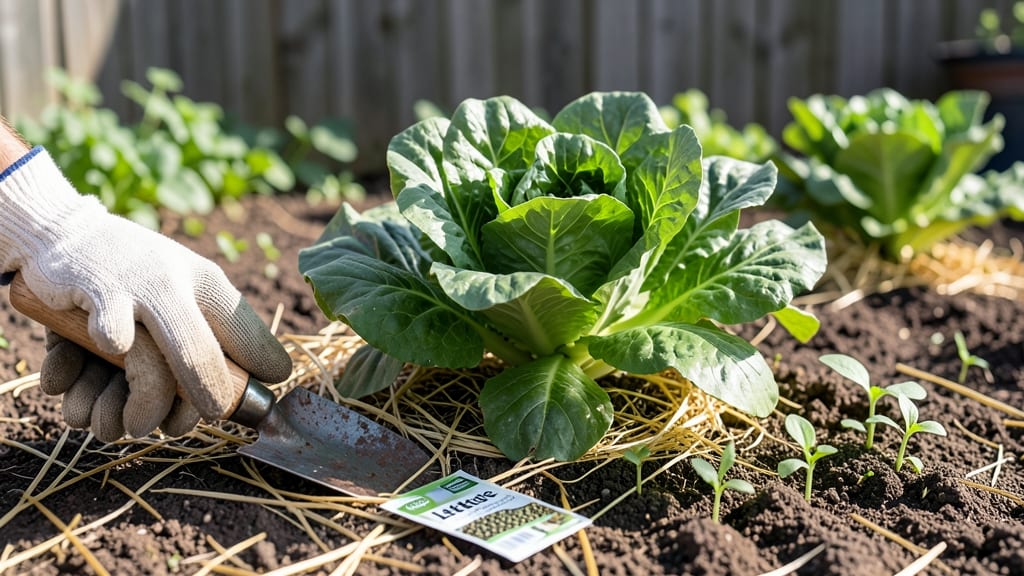
Timing your lettuce planting in Minnesota can mean the difference between a crisp, homegrown salad and a wilted disappointment. With USDA zones 4a-5b and unpredictable frost dates, knowing exactly when to plant 🥬 is the key to fast, reliable harvests.
Most gardeners make one critical mistake: planting too early or too late, risking frost damage or bitter leaves. The secret lies in mastering your frost-free window—typically mid-April to early June for spring and late July to mid-August for fall.
This isn’t just theory; it’s how I’ve grown crisp lettuce every season, even with Minnesota’s short summers.
Whether you’re starting seeds indoors or sowing directly, the right timing ensures your lettuce thrives in 6-8 weeks. I’ll show you exactly how to align your planting with your zone’s last frost date, plus pro tips for extending your harvest window. Let’s get your garden growing faster than ever!
Ready to skip the guesswork? You’ll learn the exact weeks to plant, how to protect young seedlings, and which varieties handle Minnesota’s climate best. Your fresh salad days start now—no more waiting for the store!
Minnesota lettuce planting calendar by USDA Zone (with frost dates)
Minnesota’s USDA Zones 3-5 create unique challenges for growing lettuce, but understanding your last frost dates is the key to success. Most of the state falls in Zone 4a-5b, where the average last frost date ranges from mid-April in southern Minnesota to late May in the north.
For northern regions like Zone 3, wait until early June to avoid frost damage.
Lettuce thrives in cool temperatures (45-75°F), making spring and fall the ideal seasons. In Zone 4-5, aim to plant 4-6 weeks before your last frost for spring harvests and 8-10 weeks before the first frost (usually mid-October) for fall crops.
This timing ensures your lettuce matures before summer’s heat stress or winter’s frost ruins your crop.
For direct sowing, scatter seeds ¼ inch deep in well-prepared soil when temperatures stabilize above 40°F. In Zone 5b, this typically means mid-April to early May for spring plantings.
If you’re transplanting seedlings, wait until soil temperatures reach 50°F—usually late April to early June—to minimize transplant shock.
If you’re in southern Minnesota (Zone 5b), you can push your limits with early spring plantings as soon as soil is workable, often by early April. Use row covers or cold frames to protect seedlings from late frosts.
For fall lettuce, start seeds indoors in late July and transplant outdoors by early August to ensure a harvest before frost.
For heat-tolerant varieties, consider 'Jericho' or 'Simpson Elite' if you’re planting in late summer. These varieties can handle warmer temperatures (up to 80°F) better than traditional lettuce. However, they still prefer partial shade during peak afternoon heat to prevent bolting—the process where lettuce flowers prematurely and becomes bitter.
Always check your local Almanac or extension office for precise frost dates, as microclimates can vary even within a USDA zone. For example, urban areas like Minneapolis may have slightly later frost dates than rural areas 20 miles away.
Adjust your planting schedule accordingly to maximize your harvest window.
Pro tip: Keep a gardening journal to track your lettuce’s growth stages and note any deviations from the calendar. Over time, you’ll fine-tune your planting times to match your specific Minnesota microclimate—leading to crisp, homegrown lettuce all season long. 🥬
How to extend your lettuce growing season in Minnesota’s short summers
Minnesota’s unpredictable climate—with hot summers and early frosts—can make growing lettuce challenging. But with the right strategies, you can enjoy crisp, homegrown lettuce well beyond the typical spring and fall windows. The key is leveraging succession planting, shade protection, and heat-tolerant varieties to beat the odds.
Start by choosing heat-resistant varieties like 'Black Seeded Simpson' or 'Jericho', which thrive in warmer temperatures. These varieties can handle 75–85°F better than traditional lettuce, giving you a longer harvest window.
Pair them with succession planting—sow seeds every 2–3 weeks from late spring through early summer to ensure a continuous supply.
🌱 Top 5 Techniques to Extend Your Lettuce Season
- Succession Planting: Sow seeds every 2–3 weeks from May to July for staggered harvests.
- Shade Cloth: Use 30–50% shade cloth during peak summer heat (80°F+).
- Cold Frames: Extend fall harvests by 4–6 weeks using clear plastic or glass covers.
- Row Covers: Protect early/late plantings from frost and light frosts (28–32°F).
- Heat-Tolerant Varieties: Choose 'Romaine' or 'Oakleaf' for better heat resistance.
For late-season protection, row covers are a game-changer. They shield lettuce from light frosts (down to 28°F) and even heavy rains, while still allowing sunlight and airflow. Install them in the evening and remove them during the day to prevent overheating.
Pair this with mulching—use straw or shredded leaves—to keep soil temperatures stable and retain moisture.
If you’re growing lettuce in containers or raised beds, you have an advantage: these warm up faster in spring and cool down slower in fall. Place them in partial shade during summer afternoons (1–3 PM) to prevent bolting.
Water deeply in the morning to reduce stress, and avoid overhead watering to minimize fungal diseases like downy mildew, which thrives in Minnesota’s humid summers.
Don’t overlook fall planting—it’s often the most rewarding time for lettuce in Minnesota. Aim to sow seeds 8–10 weeks before your first frost (typically mid-August for most of the state).
Use cold-hardy varieties like 'Winter Density' or 'Arctic King', which can withstand 20–25°F temperatures. Protect young plants with row covers or a mini greenhouse to extend your harvest into November.
Finally, monitor your soil temperature—lettuce grows best when soil is between 45–75°F. Use a soil thermometer to avoid planting too early in cold soil or too late when heat stress sets in.
With these strategies, you can enjoy fresh lettuce from May through October, even in Minnesota’s challenging climate! 🥬