
Plants
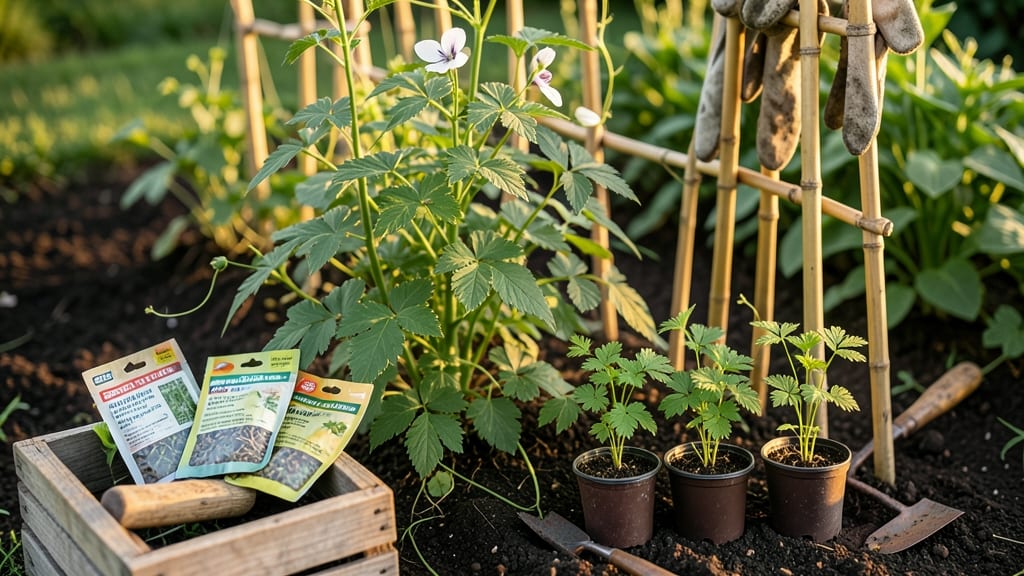
Timing your pea planting in Minnesota can feel like a high-stakes game of chance—one late frost, and your entire crop could vanish overnight.
But here’s the good news: with the right strategy, you can beat the odds and enjoy a bountiful harvest of sweet, tender 🌱 peas even in zones 3-5.
Most gardeners in Minnesota know the drill: plant too early, and a surprise frost wipes out your hard work. Too late, and you miss the peak harvest window. The secret lies in understanding your local frost dates and soil conditions—because peas are tough little plants, but they’ve got limits.
In this guide, I’ll break down the best planting windows for your zone, whether you’re growing in raised beds, containers, or straight in the ground. You’ll also learn how to stretch your season with smart tricks like succession planting and frost protection.
Ready to go from guessing to growing? Let’s turn your Minnesota garden into a pea powerhouse—no more wasted seeds or missed harvests.
Minnesota pea planting dates by hardiness Zone: exact frost-free windows
Minnesota’s USDA zones 3-5 create big differences in when you can safely plant peas. In Zone 3, where winters are harshest, you’ll need to wait until soil warms to 40°F (4°C)—usually late April or early May.
Meanwhile, Zone 5 gardeners can start as early as mid-April, giving you a 3-4 week advantage for harvesting.
Peas thrive in cool weather, so the key is planting 4-6 weeks before your last frost date. This gives them time to mature before summer heat sets in.
For example, in Zone 4a (northern MN), aim for late April to early May, while Zone 4b (southern MN) can start planting in early to mid-April.
🌱 Pro Tip: Test soil temperature with a thermometer—peas won’t germinate well below 40°F (4°C). Cold, wet soil is their biggest enemy.
If you’re in Zone 5, you can even try an early spring planting in March under row covers or cold frames. Just be ready to protect them if temperatures dip below 28°F (-2°C).
For Zone 3 gardeners, focus on late April plantings—this gives peas enough time to mature before summer heat arrives.
Peas also do well in late summer plantings (July-August) for a fall harvest. This works best in Zone 4b-5, where the first frost arrives in mid-October. Plant 8-10 weeks before your first frost to ensure a harvest before winter sets in.
🌿 Soil Prep Tip: Peas prefer well-draining, slightly acidic soil (pH 6.0-7.0). Mix in compost or aged manure before planting to boost fertility without overfeeding.
For container gardening, use 5-gallon pots or deeper with drainage holes. Plant 2-3 seeds per container and place them in full sun (6+ hours daily). Containers warm up faster than garden beds, so you may need to delay planting by 1-2 weeks compared to in-ground plantings.
💧 Watering Alert: Keep soil consistently moist but avoid waterlogging. Peas need 1 inch of water per week, delivered in the morning to prevent fungal diseases.
Finally, use a trellis or stakes to support vining varieties like 'Wando' or 'Lincoln'. This saves space and improves air circulation, reducing the risk of powdery mildew—a common issue in Minnesota’s humid summers.
How to adjust pea planting for early or late frost years in Minnesota
Minnesota’s unpredictable frost patterns can throw off even the most careful pea planting plans. One year, you might face a late spring frost in May, while another brings an early October freeze—both disasters for tender pea plants. The key is flexible planning and quick adaptations to protect your crop.
For late frost years, delay planting until after May 15th in most zones, but use cold-hardy varieties like 'Green Arrow' or 'Sugar Ann' if you must plant earlier. These varieties tolerate light frosts down to 25°F, giving you a buffer if cold snaps linger.
If you’re facing an early frost threat in fall, opt for late-summer planting (July 15th–August 1st) and choose fast-maturing varieties like 'Little Marvel' (55 days to harvest). These give you a 60-day window before frost, ensuring pods form before cold sets in.
Another trick? Extend your season with black plastic mulch or straw bales around plant bases. These raise soil temps by 3-5°F, helping peas germinate faster in cool springs. Just remove mulch after soil warms to 50°F to avoid overheating.
For container growers, move pots near south-facing walls or under grow lights if frost threatens. Peas in containers warm up 30% faster than in-ground plants, giving them a survival edge in chilly years.
Finally, monitor local frost forecasts via the MN State Climatology Office or Old Farmer’s Almanac. Adjust planting dates by 1-2 weeks if forecasts show delays—your peas will thank you with sweeter, more abundant harvests all season long. 🌱