
Plants
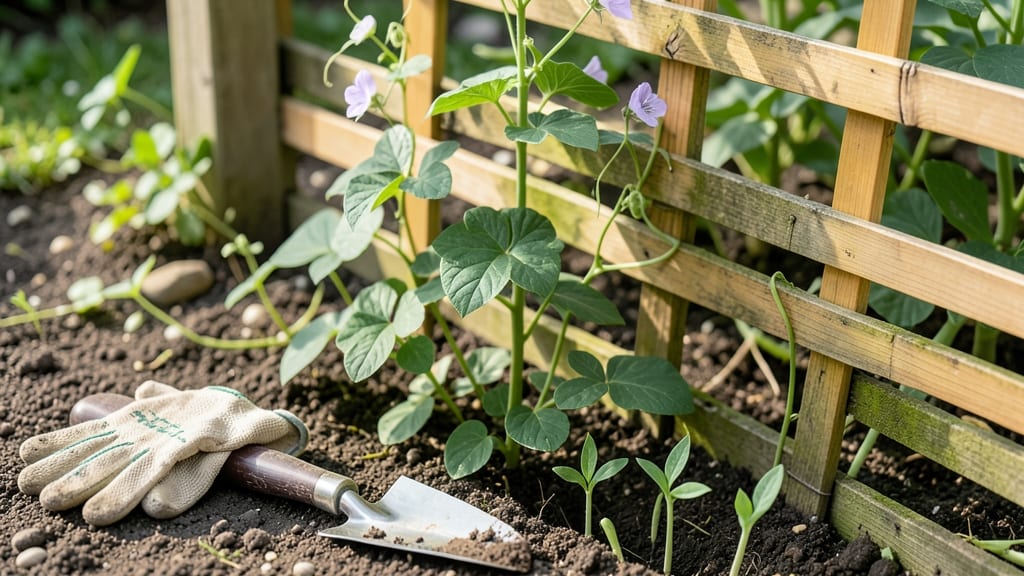
Timing is everything when it comes to growing peas in Zone 7b—plant too early, and you risk frost damage; too late, and you might miss the harvest window entirely. The secret to success lies in understanding soil temperatures and regional microclimates, not just calendar dates.
If you've ever struggled with weak pea sprouts or stunted plants, you're not alone. Most gardeners focus on planting dates, but the real game-changer is soil temperature—peas need 40-50°F to germinate properly. In Zone 7b, this means two ideal windows: early spring (February-March) or fall (August-September).
Let me show you exactly how to time your plantings for maximum yield, from testing soil warmth to adjusting for your local frost patterns. You'll discover the 5 critical mistakes that ruin pea harvests and how to avoid them, plus the best varieties for Zone 7b's climate.
Whether you're a beginner or a seasoned gardener, these soil temperature secrets will help you grow peas that are stronger, faster, and more productive than ever before. Let's get started!
Peas planting timeline in Zone 7b by soil temperature (not calendar dates)
Peas are cool-season crops that thrive when planted at the right soil temperature, not just calendar dates. In Zone 7b, the ideal range for pea germination is between 40-50°F.
Planting too early when soil is still cold or too late in warm weather can stifle growth and reduce yields.
Unlike many vegetables, peas won't germinate in soil warmer than 80°F. This means timing your plantings based on soil thermometers—not just air temperature—is your secret weapon for success in Zone 7b. Let’s break down the best windows for both spring and fall plantings.
To check your soil temperature, use a soil thermometer or the finger test: Press your finger into the soil. If it feels cold and firm, it’s likely below 40°F—wait a few days. If it’s warm and crumbly, it’s ready for planting.
In Zone 7b, spring plantings should start in late February or early March when soil warms to 45°F. For fall plantings, aim for mid-August to early September to ensure peas mature before the first frost. This timing gives you a 60-75 day growing season, perfect for most varieties.
Pro tip: Use mulch to regulate soil temperature. Straw or shredded leaves help keep soil cool in summer and warm in winter, extending your planting windows. For succession plantings, sow seeds every 2-3 weeks in spring and fall to keep a steady harvest.
Peas also tolerate light frost, so don’t rush to harvest after a light freeze. However, avoid planting when soil temps exceed 80°F, as germination will fail. If your summer heatwave hits, switch to shade-loving varieties like 'Sugar Ann' or 'Oregon Sugar Pod', which handle warmer conditions better.
Remember, Zone 7b’s microclimates vary. If you’re in a cooler pocket of the zone, you might plant earlier. Conversely, in warmer microclimates, wait until soil warms up more. Always observe your garden’s unique conditions.
By mastering these soil temperature secrets, you’ll grow peas that are vigorous, productive, and ready to harvest—not struggling to survive. Happy planting! 🌱
Peas planting timeline in Zone 7b by soil temperature (not calendar dates)
Peas are cool-season crops that need precise timing to thrive in Zone 7b. Unlike many vegetables, peas rely on soil temperature, not just calendar dates. The ideal range for planting is between 40-50°F—too cold, and germination stalls; too warm, and they bolt prematurely.
This means your February-March and August-September windows are golden, but only if conditions align.
Many gardeners in Zone 7b make the mistake of planting peas too early when the soil is still chilly. A simple soil thermometer (just $10 at garden centers) reveals the truth—wait until the ground consistently reaches 45°F at a 2-inch depth.
This small tool prevents wasted seeds and ensures strong starts. For fall plantings, aim for 8-10 weeks before your first frost (typically mid-November in Zone 7b).
| Planting Window | Soil Temp Requirement | Zone 7b Months | Key Considerations |
|---|---|---|---|
| Early Spring | 45-50°F | February-March | Plant 4-6 weeks before last frost (March 15). Use row covers if nights dip below freezing. |
| Late Winter (Cold-Hardy) | 40-45°F | January-February | Only for varieties like 'Sugar Ann' or 'Lincoln'. Protect with mulch or cloches. |
| Early Fall | 50-55°F | August-September | Plant 8-10 weeks before first frost (Nov 15). Harvest before summer heat returns. |
| Late Summer (Heat-Tolerant) | 55-60°F | July-August | Use heat-resistant varieties like 'Oregon Sugar Pod'. Provide afternoon shade. |
For extended harvests, try succession planting every 2 weeks during your optimal windows. This keeps your pea supply steady from spring through early fall. Remember, peas are self-pollinating, so spacing matters—plant seeds 1-2 inches apart in rows 18 inches apart for proper air circulation.
Overcrowding invites fungal diseases like powdery mildew, which thrives in Zone 7b's humid summers.
If you're new to soil temperature monitoring, start with your last frost date (March 15 for Zone 7b) and count backward. For spring peas, aim to plant 6-8 weeks before that date.
For fall peas, count 8-10 weeks before your first frost. This backward planning ensures you're never caught off guard by sudden temperature shifts—a common issue in Zone 7b's transitional seasons.
Pro tip: Use a planting calendar that accounts for soil temperature, not just air temperature. Many free online tools (like the Old Farmer's Almanac) let you input your zip code to get precise local data.
Pair this with a soil thermometer, and you'll have peas sprouting like clockwork—no more guessing games!
Once your peas hit 4-6 inches tall, they'll start flowering and setting pods. At this stage, focus on consistent moisture (1 inch per week) and light fertilization with a 5-10-10 blend.
Avoid heavy nitrogen—it promotes leafy growth at the expense of pods. With the right timing, you'll enjoy fresh peas straight from your garden for 6-8 weeks per planting!