
Plants
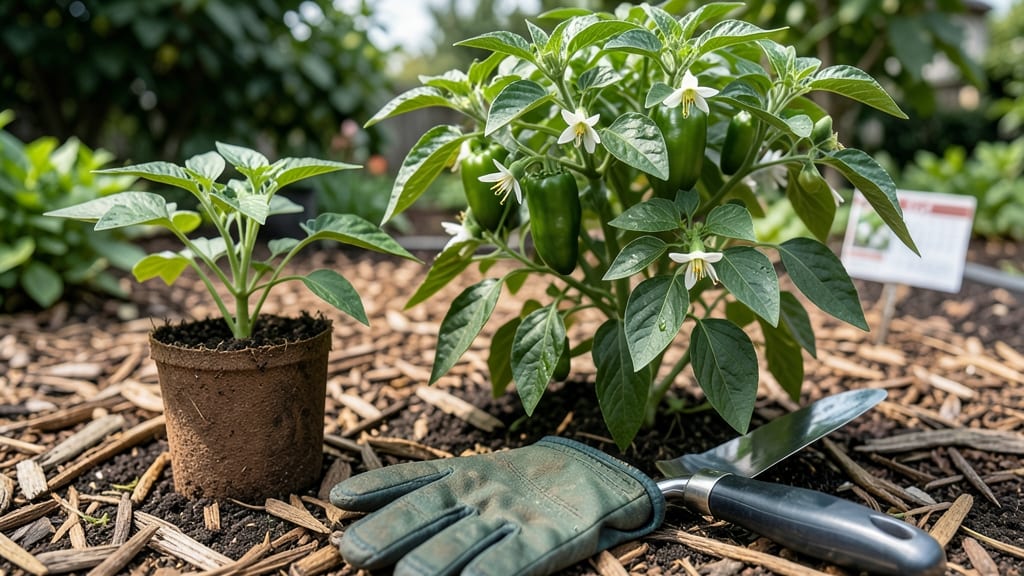
Timing your 🌶️ pepper planting in Washington State isn’t just about the calendar—it’s about surviving the region’s dramatic shifts from coastal chill to inland heat. Plant too early, and frost will turn your seedlings into sad, wilted memories; too late, and your harvest might never ripen before the first frost.
The key? Knowing your exact USDA zone—whether you’re in 6b’s eastern valleys or 9a’s western coast—and adjusting for soil that’s 60°F or warmer.
Most gardeners in Washington start peppers indoors by March 15, giving them a head start before transplanting outdoors between April 15 and June 15. But here’s the catch: Puget Sound’s marine layer can delay planting by weeks compared to the Columbia Basin’s early-warmed soil.
I’ll break down the exact windows for your microclimate, so you can avoid the most common mistakes—like rushing peppers into cold ground or waiting too long for the perfect (but nonexistent) "safe" date.
Why does this matter? Because peppers are finicky. They need 150–210 frost-free days to mature, and Washington’s growing season is shorter than you’d think. The right timing isn’t just about avoiding frost; it’s about maximizing your harvest before the first chill hits in October or November.
Whether you’re a first-time gardener or a veteran with a greenhouse, these zone-specific tips will help you grow bold, flavorful peppers—no guesswork required.
Ready to dive in? I’ll walk you through the best varieties for Washington’s short season, how to extend your growing window with row covers, and even how to salvage late starts. Let’s get those peppers thriving!
Washington State pepper planting dates by USDA Zone (with frost risk alerts)
Washington State spans USDA Zones 6b to 9a, meaning your pepper planting timeline can vary by 6+ weeks depending on location. The Puget Sound (Zone 8-9) has a longer growing season, while eastern WA (Zone 6-7) faces earlier frosts.
Always plant after the last frost date—typically April 15–May 15—but more critically, when soil temperatures hit 60°F+.
Peppers are heat-lovers that hate cold soil. If you transplant too soon, roots will struggle, stunting growth. Use a soil thermometer to confirm readiness—this is your best tool for avoiding failure.
In Zone 6b (e.g., Spokane), aim for May 15–June 1; in Zone 9a (e.g., Vancouver), you can start as early as April 1.
🌱Pro Tip: For coastal areas (like the Olympic Peninsula), wait until May 15—cooler ocean breezes delay soil warming. Inland areas (like Yakima Valley) can plant 2–3 weeks earlier thanks to faster warming.
If you’re starting peppers indoors (recommended for Zone 6b–7a), begin seeds 8–10 weeks before your last frost date. For Zone 6b, that’s mid-March; for Zone 9a, you can start as late as early February.
Use grow lights to prevent leggy seedlings—peppers need 12–14 hours of light daily.
🌡️Warning: Planting too early is the #1 mistake in WA. Peppers wilted by frost won’t recover. If your soil is below 60°F, wait—even if your neighbor is already planting. Use a black plastic mulch to warm soil faster if you’re in a hurry.
For late-season extensions, consider row covers or cold frames to protect peppers until October 15. This works best in Zone 8–9, where frosts are rare. In Zone 6b, focus on fast-maturing varieties (harvest in 70–80 days) to avoid autumn chill.
💡Insider Tip: Check WA State University Extension’s frost maps for your exact location—microclimates can shift planting dates by 10+ days even within a city. For example, University District (Seattle) is colder than Ballard due to lake effects.
Finally, stagger your plantings every 2 weeks for a continuous harvest. In Zone 9a, you can even plant a second batch in July for fall peppers—just use shade cloth to protect young plants from summer heat.
Microclimate secrets: adjusting planting for Puget Sound, eastern WA, and the Columbia Basin
Washington’s microclimates can shift pepper planting windows by 4-6 weeks—so your Seattle neighbor’s schedule won’t work for Yakima. Coastal areas like Puget Sound (Zones 7b-9a) often see last frosts in April 15-30, while inland spots like Wenatchee (Zone 6b) may wait until May 15.
Elevation plays a huge role: Mountain valleys like Methow (Zone 5) need late-May starts, while Columbia Basin deserts (Zone 7a) can transplant as early as April 1 once soils hit 60°F. Urban heat islands in Spokane or Tacoma add 5-10°F warmth compared to rural areas.
🌱
🌡️ Microclimate Adjustments for Peppers
Plant April 15-May 15
Soil temp: 60°F+
Risk: Coastal fog delays
Plant May 1-June 1
Soil temp: 65°F+
Risk: Late frosts
Plant March 30-April 15
Soil temp: 55°F+
Risk: Drought stress
For Puget Sound gardeners, I recommend starting seeds indoors by March 1 and using black plastic mulch to warm soil faster. In Eastern WA, opt for fast-maturing varieties like ‘Early California Wonder’ (60 days) and harden off transplants gradually to avoid shock from temperature swings.
The Columbia Basin’s hot, dry climate lets you push planting earlier, but mulch heavily to retain moisture—peppers here often need daily watering during July-August. I’ve seen Spicy Jubilee peppers ripen by mid-August when planted in late March with drip irrigation.
🌿
If you’re in a transition zone (like Cascade foothills), split your planting: half in April (protected) and half in May for backup. For container gardening in cities, choose compact varieties like ‘Aristotle’ and move pots to sunniest spots by mid-May to avoid stunted growth.