
Plants
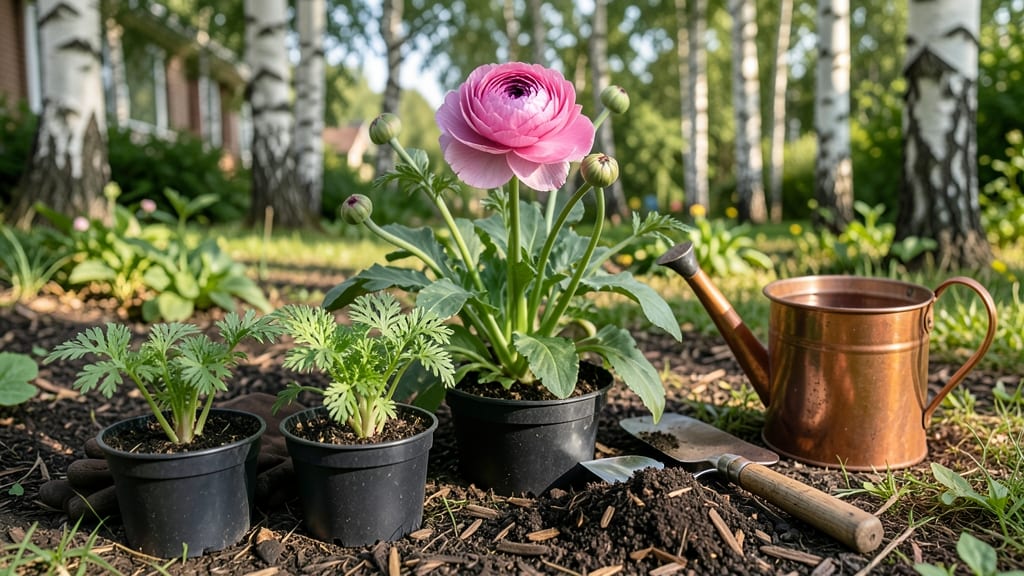
Timing your Ranunculus planting in Ohio could mean the difference between a show-stopping spring garden and bulbs that never bloom. The key isn't just throwing them in the ground—it's knowing when to plant them 4-6 weeks before your last frost date, typically in late winter or early spring.
Ohio's USDA Zone 6a climate means you can't afford to wait too late—those delicate 🌸 bulbs need time to establish roots before warmer weather arrives. But planting too early? Frost will turn your hard work into a sad, icy memory.
Let me break down the exact window you should aim for, plus Ohio-specific tricks to give your ranunculus the best possible start.
You might think all spring flowers follow the same rules, but ranunculus has its own quirks—especially in Ohio's unpredictable weather. From soil temperature checks to frost-free deadlines, I'll walk you through everything you need to know to get those vibrant blooms popping up right when your garden needs them most.
Whether you're a seasoned gardener or just starting out, mastering the right planting time will save you from common mistakes and give you healthier, more abundant blooms. Let's get those ranunculus bulbs in the ground at the perfect moment—because in Ohio, timing really is everything.
Ohio ranunculus planting deadlines: frost-free dates by zone
Ohio’s USDA zones 5b-6b mean your ranunculus planting window is short but sweet—typically 4-6 weeks before the last frost. For most Ohio gardeners, that’s mid-February to early April, but exact timing depends on your local frost dates and soil temperature.
Northern Ohio (like Cleveland) has later frost dates, while southern Ohio (like Cincinnati) can plant earlier.
Ranunculus bulbs need consistent soil temps above 50°F (10°C) to sprout. If you plant too early, bulbs may rot in cold, wet soil. Use a soil thermometer to confirm readiness—aim for 60°F (15°C) at 4 inches deep.
This usually aligns with Ohio’s average last frost dates, but check NOAA’s frost calculator for your exact location.
Pro tip: Ohio’s humidity and unpredictable spring weather can delay planting. If your soil stays too wet or cold, consider using a cold frame or row covers to create a warmer microclimate for early bulbs.
🌱
For urban gardeners in containers, you’ve got more flexibility. Pots warm up faster than garden beds, so you can plant 2-3 weeks earlier than in-ground. Just ensure your containers have drainage holes and use a lightweight potting mix to prevent waterlogging.
If you’re planting in late March or April, opt for larger bulbs (size 12/14) to give them a head start. Smaller bulbs may struggle to bloom before summer heat sets in. Pair them with tall perennials like delphiniums or hollyhocks to create a dramatic spring border.
Ohio’s variable spring weather can throw off even the best-laid plans. If a late frost hits after planting, cover bulbs with row fabric until danger passes. And if your soil is still too cold or soggy, hold off—ranunculus bulbs won’t tolerate waterlogged conditions.
🌷
Remember: Ranunculus bulbs are not perennial in Ohio’s climate. They’ll bloom for 2-3 weeks in spring and then go dormant. For a reliable annual display, replant fresh bulbs each year.
If you love their paper-like blooms, consider preserving them in silk or drying the flowers for winter arrangements.
For extended blooms, deadhead spent flowers regularly. This encourages new buds to form and can push your ranunculus into early summer blooming—just in time for Ohio’s Mother’s Day celebrations or graduation gifts.
Signs your Ohio soil is ready for ranunculus bulbs (and what to do if it’s not)
Ohio’s unpredictable spring weather can leave gardeners guessing about the perfect time to plant ranunculus bulbs. Unlike warm-season plants, ranunculus thrives when soil temperatures hover between 45°F and 55°F—too cold, and roots won’t establish; too warm, and bulbs may rot.
Here’s how to check your soil’s readiness and adjust if needed.
First, test soil temperature using a soil thermometer (insert 2-3 inches deep). For northern Ohio (USDA zones 5b-6a), aim for planting when temperatures consistently stay above 45°F.
In southern Ohio (zone 6b), you can plant slightly earlier, but always wait until frost risk has passed—use the NOAA frost predictor for your county.
Next, assess moisture levels. Stick your finger into the soil—it should feel cool but not icy, with moderate dampness (like a wrung-out sponge). If the ground is still frozen or soggy, delay planting. Well-draining soil is critical; ranunculus bulbs rot in waterlogged conditions.
Amend heavy clay with compost or perlite if drainage is poor.
⚠️ Warning: Cold Soil Risks
Planting ranunculus in cold soil (<40°F) causes root rot or stunted growth. If your soil isn’t ready, try these fixes:
- Use a cold frame to warm soil by 5–10°F faster.
- Mulch with straw (2–3 inches) to insulate bulbs.
- Plant in containers with heated mats if extreme cold persists.
🌱 Pro Tip: Southern Ohio gardeners can plant as early as late February if soil thaws by day.
If your soil is too wet, improve drainage by planting on a mound or raised bed. Ranunculus bulbs need air circulation to prevent fungal diseases like botrytis, common in Ohio’s humid springs. Avoid planting in low-lying areas where water pools after rain.
For urban gardeners with limited space, use containers with drainage holes filled with a mix of potting soil and sand. Place pots in a sunny spot and monitor soil moisture closely—containers dry out faster than ground soil. Water only when the top inch feels dry to avoid overwatering.
Finally, watch for sprouting signs: once green shoots emerge (usually 4–6 weeks after planting), your ranunculus is off to a great start. If no growth appears after 8 weeks, your bulbs may have rotted due to overly wet or cold soil.
Adjust next year’s timing based on these lessons.