
Companion Plants
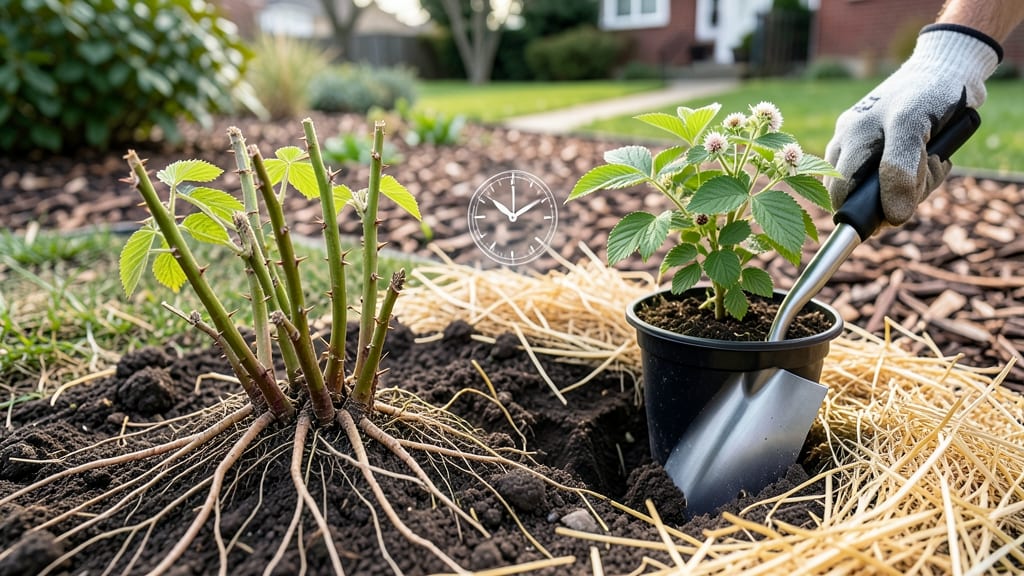
Timing your 🍇 raspberry planting in Pennsylvania wrong could mean the difference between a thriving garden and a frost-nipped disappointment. With USDA zones 5b-7a bringing wildly different frost dates across the state, getting the window right is the key to strong root establishment and a summer harvest.
Most gardeners in PA swear by early spring planting—March or April—when soil temperatures climb above 50°F, but fall planting in September or October offers cooler roots and fewer pests.
The challenge? Late frosts in the Poconos can strike as late as April 15, while Philadelphia’s milder climate might let you plant weeks earlier.
You’ll learn exactly when to plant bare-root canes versus potted varieties, how to prep soil for frost-free growth, and regional adjustments that make all the difference. Whether you’re in Pittsburgh or the Lehigh Valley, these tips will help you avoid common mistakes and set your raspberries up for success.
Ready to grow juicy, homegrown berries? Let’s break down the best months, frost risks, and pro tips tailored to your microclimate—so you can enjoy that first harvest by mid-summer.
Best planting months for raspberries in Pennsylvania by USDA Zone
Pennsylvania’s USDA zones 5b-7a create distinct planting windows for raspberries. In Zone 5b (Poconos, Scranton), aim for early April to mid-May when soil warms to 50°F+.
Meanwhile, Zone 7a (Philadelphia, Pittsburgh) can plant as early as late February to March, but watch for late frosts that can damage tender roots.
Your last frost date is critical—planting too early risks frost damage to emerging canes. In Zone 6a (central PA), wait until after April 15 for safety. For bare-root canes, plant as soon as soil is workable; potted plants can handle slightly cooler temps.
Raspberries thrive in 6-8 hours of sunlight daily, so choose a south-facing location with well-draining soil. Amend heavy clay with compost or sand to prevent root rot—a common issue in PA’s wet springs.
🌱
| USDA Zone | Best Planting Window | Soil Temp | Last Frost Risk | Key Tip |
|---|---|---|---|---|
| Zone 5b (Poconos) | Early April–Mid-May | 50°F+ | High (April 15) | Mulch heavily to protect roots |
| Zone 6a (Central PA) | Late March–Early May | 48°F+ | Moderate (April 1) | Plant potted canes earlier |
| Zone 7a (Philadelphia) | Late February–March | 45°F+ | Low (March 15) | Watch for late frosts |
| All Zones (Fall) | September–October | 60°F+ | None | Plant 6-8 weeks before first frost |
In Zone 5b, where frosts linger, opt for fall planting (September-October) to give roots time to establish before winter. This method reduces spring planting stress and often yields stronger canes by harvest season.
For Zone 7a, early spring planting (February-March) works well, but monitor weather forecasts for unexpected cold snaps.
If you’re in Erie (Zone 6a), consider container planting for flexibility—move pots indoors during late frosts if needed. Containers also help manage soil drainage in PA’s heavy clay soils. Just ensure pots are at least 18 inches deep to accommodate raspberry roots.
For summer-bearing varieties (like 'Heritage' or 'Boyne'), timing is critical—they need 60-90 days of warm weather to fruit. Plant too late in spring, and you’ll miss the July-August harvest window. Everbearing types (like 'Caroline') are more forgiving but still benefit from early spring planting.
After planting, mulch with 3-4 inches of straw to retain moisture and suppress weeds. In PA’s humid climate, mulch also helps prevent cane borers, a common pest. Reapply mulch annually in early spring before new growth emerges.
🌿
How to adjust planting time for fall vs. spring in PA’s climate
Planting raspberries in Pennsylvania isn’t just about picking a month—it’s about understanding how fall vs. spring planting impacts your berry harvest. Each season offers unique advantages, and choosing the right time can mean the difference between thriving canes and struggling plants.
Fall planting (September-October) gives raspberries a head start by allowing roots to establish in cooler soil temperatures before winter. This reduces transplant shock and often results in earlier fruiting the following summer. Plus, cooler weather means fewer pests and diseases to contend with during the critical early growth phase.
Spring planting (March-April), on the other hand, aligns with the natural growth cycle of raspberries. The soil warms up, encouraging rapid root and cane development. However, late frosts in Pennsylvania’s USDA Zones 5b-7a can damage tender new growth if you plant too early.
Fall Planting vs. Spring Planting
Fall Planting
- ✅ Cooler roots establish before winter
- ✅ Fewer pests in early growth stages
- ✅ Earlier fruiting next summer
- ✅ Less transplant shock in spring
Spring Planting
- ✅ Aligns with growth cycle
- ✅ Warmer soil speeds root growth
- ⚠️ Late frost risk if planted too early
- ⚠️ More pests in active growing season
Best For: Fall = Established roots | Spring = Rapid growth
If you opt for fall planting, aim to get your raspberries in the ground by mid-October in Zone 5b or by early November in Zone 7a. This gives roots time to establish before the ground freezes.
Start by amending your soil with compost or well-rotted manure to improve drainage and fertility.
For spring planting, wait until after the last frost date in your area—typically mid-April for Zone 5b and early April for Zone 7a. Harden off potted plants by gradually exposing them to outdoor conditions for 7-10 days before transplanting.
Mulch heavily around the base to retain moisture and protect roots from temperature swings.
Regardless of when you plant, always choose a sunny, well-drained location with 6-8 hours of sunlight daily. Raspberries thrive in slightly acidic soil (pH 5.5-6.5), so test your soil and amend if necessary.
With the right timing and care, your raspberries will reward you with juicy, flavorful berries for years to come. 🍇