
Plants
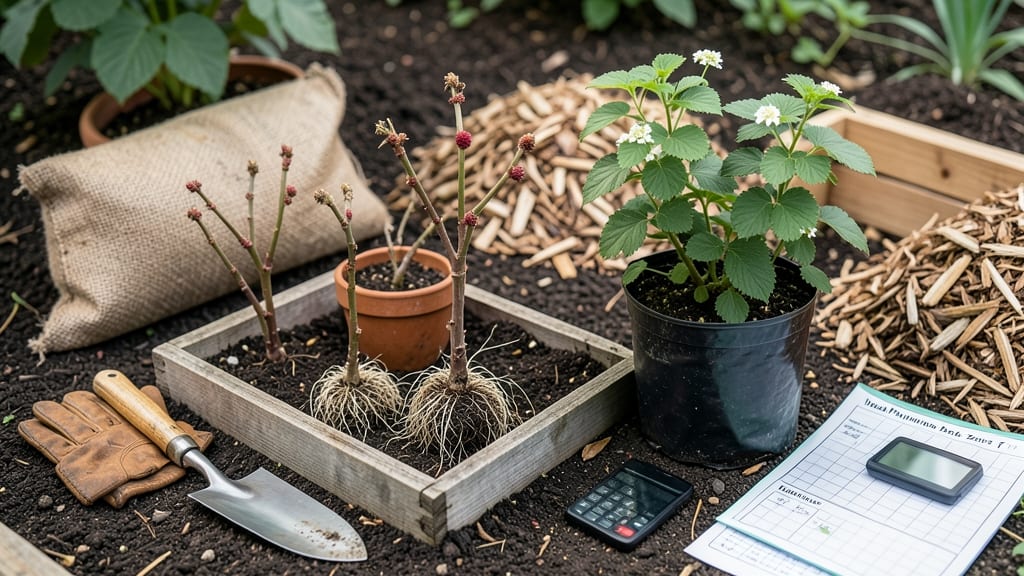
Timing matters more than you think when planting raspberries in Zone 7—get it wrong, and you might end up with stunted plants or delayed harvests. The chill-hour needs of your 🍇 variety and last frost dates create a narrow window where success hinges on preparation.
Most gardeners in 7a-7b zones rush to plant too early, only to watch their young raspberries freeze back. The key? Planting 4-6 weeks before your last expected frost (typically mid-March) gives roots time to establish before summer heat arrives.
But there’s another trick: fall planting can work too, if you time it right. September through October offers a second chance to get raspberries in the ground, provided you protect them from early winter freezes with mulch.
Whether you’re starting with bare-root plants or potted varieties, I’ll walk you through the exact steps to maximize your berry yield—no guesswork, just proven strategies for Zone 7’s unique climate challenges.
Zone 7 raspberry planting timeline: chill-hour requirements explained
Raspberries thrive in Zone 7 when planted at the right time, but their chill-hour requirements make timing critical. Summer-bearing varieties need 200-300 chill hours (below 45°F), while fall-bearing types require 500-800 chill hours. Zone 7 typically delivers 500-700 chill hours, favoring fall-bearing raspberries like 'Heritage' or 'Boyne'.
Your last frost date (usually mid-March in Zone 7) determines your planting window. Plant 4-6 weeks before this date for spring planting or 6-8 weeks before the first frost (around mid-November) for fall planting. This timing ensures roots establish before extreme temperatures arrive.
To calculate your exact frost dates, check the USDA Plant Hardiness Map for your specific Zone 7a or 7b sub-region. For example, Piedmont Zone 7a (like Raleigh, NC) has a later last frost (March 22) than Appalachian Zone 7b (like Asheville, NC, with March 10).
Adjust your schedule accordingly.
Here’s how to use chill hours to your advantage: Plant bare-root raspberries in late winter (February) or early spring (March) when soil is workable but still cool. This prevents transplant shock from summer heat. For potted raspberries, wait until soil temperatures reach 50°F—usually mid-April in Zone 7.
Fall planting (September-October) offers a second chance. Young raspberry canes need time to root before winter, so avoid planting after October 15. Use mulch (4-6 inches) to insulate roots and protect against winter dieback.
🌱
🍇 Zone 7 Raspberry Planting Summary
| Variety Type | Chill Hours Needed | Best Planting Window | Soil Temp Requirement |
|---|---|---|---|
| Summer-Bearing | 200-300 hrs | Feb 15 - Mar 15 | 45-50°F |
| Fall-Bearing | 500-800 hrs | Sep 1 - Oct 15 | 50°F+ |
| Ever-Bearing | 300-600 hrs | Feb 1 - Mar 30 | 40-50°F |
Pro Tip: Use a soil thermometer to confirm temperatures before planting.
Microclimates in Zone 7 can shift your ideal planting window by 2-3 weeks. For example, valleys may experience later frosts than hilltops. Observe nearby gardens or use a frost calendar from your local Cooperative Extension Service for precision.
After planting, prioritize watering deeply (1-2 inches per week) to encourage root growth. In Zone 7’s humid summers, mulch with straw or wood chips to retain moisture and prevent cane borers. Avoid overhead watering to reduce disease risks like botrytis.
For container-grown raspberries, extend your planting window by 2-4 weeks—pots warm up faster than soil. Place containers in a south-facing spot and use black plastic mulch to raise soil temperatures in early spring.
🌿
Best months to plant raspberries in Zone 7: step-by-step seasonal guide
In Zone 7, timing your raspberry planting is everything—whether you choose early spring or fall depends on your variety and local microclimate.
For summer-bearing raspberries, aim to plant 4-6 weeks before your last frost date (typically mid-March in Zone 7), while fall-bearing varieties can handle a slightly later window.
My go-to months are February-March for spring planting or September-October for fall, but let’s break it down month by month for your success.
Start by checking your local frost dates—Zone 7’s average last frost is March 15, but microclimates (like valleys or urban heat islands) can shift this by 1-2 weeks.
For bare-root raspberries, plant as soon as the soil is workable (around 50°F), while potted plants can wait until soil warms to 55°F. In fall, plant 6-8 weeks before your first frost (usually November 15) to give roots time to establish before winter dormancy.
- February: Plant bare-root raspberries in well-draining soil (600-800 chill hours needed). Amend soil with compost and balanced fertilizer (10-10-10).
- March: Ideal for potted raspberries—wait until soil reaches 55°F. Mulch with straw to retain moisture and suppress weeds.
- April: Last call for spring planting before buds break. Ensure full sun exposure (6+ hours daily) for best fruit set.
- September: Perfect for fall-bearing varieties. Plant 6 weeks before first frost to establish roots before winter.
- October: Final window for fall planting. Water deeply before frost to hydrate roots for dormancy.
For fall-bearing raspberries, extending the growing season is key—plant in late summer (August-September) to give canes time to establish before producing fruit the following year. Use row covers in early spring to protect tender new growth from late frosts (common in Zone 7’s 7a sub-zone).
If you’re in the Appalachian region, expect cooler nights, so plant 1-2 weeks later than Piedmont areas to avoid frost damage.
Soil temperature is your secret weapon—use a soil thermometer to confirm it’s 50°F+ before planting. In containers, raspberries need well-draining mix with perlite or sand, and you’ll need to water every 5-7 days (vs. 10-14 days for in-ground plants).
Pro tip: Black plastic mulch warms soil faster in spring, speeding up root growth by 2-3 weeks.
After planting, water deeply (1-2 gallons per plant) to settle soil and encourage root spread. Avoid overhead watering to prevent fungal diseases like cane blight. In Zone 7’s humid summers, mulch with straw or wood chips to keep roots cool and moisture levels steady.
For first-year plants, focus on establishing roots—don’t expect fruit until year 2.
Remember, fall planting gives raspberries a head start in Zone 7’s short growing season. By planting in September-October, you’ll avoid spring frosts and give canes time to harden off before winter.
Just avoid planting in November—roots won’t have enough time to establish before dormancy. With the right timing, your raspberries will reward you with juicy berries by summer!