
Plants
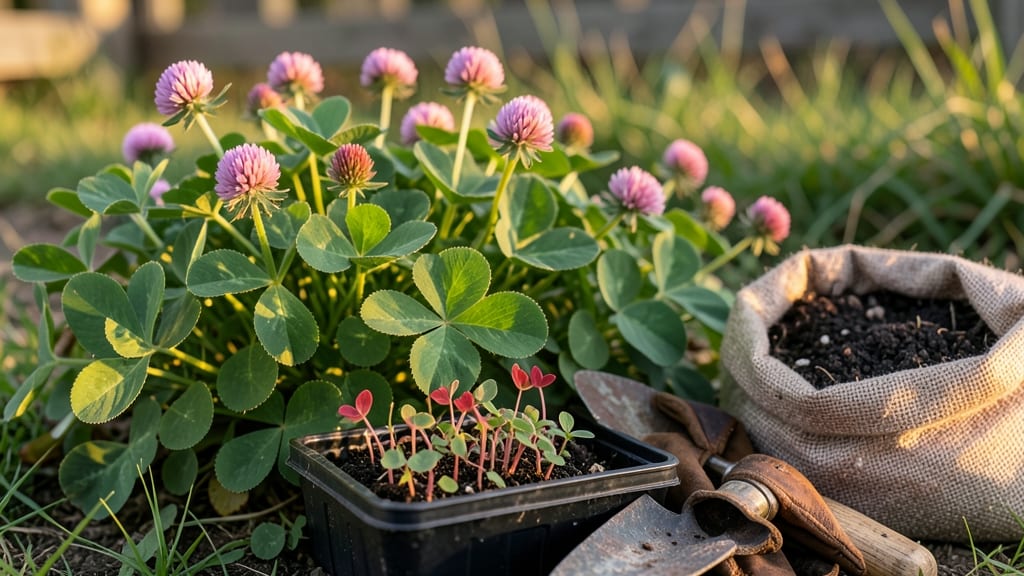
Best planting months for red clover in Georgia’s climate zones
Georgia’s USDA Zones 7b-8b offer two perfect windows for planting red clover: early spring and late summer/fall. The key is avoiding extreme heat and frost risks, which can stunt germination or kill young seedlings.
Coastal areas like Savannah may have slightly later frost dates, while Piedmont regions like Athens tend to cool earlier.
For most of Georgia, the ideal planting months are March-April (spring) and September-October (fall). These periods align with soil warming and cooling trends that red clover loves. Spring planting gives you a head start for summer blooms, while fall planting ensures early spring harvests the following year.
Here’s how to match your location to the best timing:
| Georgia Region | Best Spring Planting Window | Best Fall Planting Window | Key Consideration |
|---|---|---|---|
| Coastal (Savannah, Brunswick) | Late March–Early April | Late September–Mid October | Warmer winters delay frost; plant closer to October 15. |
| Piedmont (Athens, Macon) | Mid March–Mid April | Early September–Early October | Cooler nights; aim for soil temps above 60°F. |
| North Georgia (Dalton, Blairsville) | Early April–Mid April | Mid August–Early September | Later frosts; avoid July planting (heat stress). |
| Valley (Columbus, Rome) | Late March–Early April | Late September–Early October | Moderate climate; 60°F soil temp is critical. |
If you’re planting in February, only do so in coastal Georgia where frost is rare. For May plantings, focus on high-altitude areas (above 2,000 ft) where summer heat is less intense.
Always check your local last frost date—Georgia’s ranges from March 15 (north) to April 15 (south).
Red clover is a perennial in Georgia, meaning it can regrow for 2-3 years if managed properly. However, its first-year blooms are the most vigorous. Plan your planting to maximize these early harvests while avoiding competition from weeds, which thrive in spring’s moist soil.
For succession planting, sow a second batch in late summer (August) if your goal is fall/winter forage. This works best in Zone 8b areas where winters are mild. Just be prepared to mulch heavily to protect seedlings from light frosts.
Pro tip: Mix red clover seeds with a light nitrogen-fixing cover crop like vetch to boost soil health while waiting for your main crop to establish. This is especially useful in sandy soils common in Georgia’s coastal plains.
🌱
Soil temperature and moisture requirements for germination success
Red clover seeds need warm soil to germinate—60°F or higher is ideal. In Georgia, this typically means waiting until mid-March to early April for spring plantings or late September to early October for fall. Cooler soil delays germination, leaving seeds vulnerable to rot or pests.
Use a soil thermometer to check depth (1–2 inches). If temperatures dip below 50°F, delay planting until conditions improve. Morning sunlight warms soil faster, so choose south-facing beds for earlier sowing.
Moisture is just as critical—consistent dampness (not soggy) encourages germination. Water lightly daily until sprouts appear (7–14 days). Overwatering can suffocate seeds, while drought stress stunts growth. Mulch lightly with straw to retain moisture without smothering seedlings.
- Planting too early: Cold soil (<50°F) causes rot.
- Skipping soil prep: Compacted or rocky soil blocks roots.
- Inconsistent watering: Drought or flooding stresses seedlings.
Test your soil’s drainage before planting. Fill a jar with soil and water—if water drains in 1–2 hours, your soil is ideal. Amend heavy clay with compost or sand to improve aeration.
Red clover thrives in slightly acidic to neutral soil (pH 6.0–7.0)—test kits are cheap and worth it!
For fall plantings, aim for seeds to germinate before first frost (Nov 15). Use a row cover to extend the season if needed. Succession planting in early spring (March) ensures continuous blooms for pollinators.
Once seedlings reach 2–3 inches tall, reduce watering to bi-weekly deep soaks. Mulch again to suppress weeds and retain moisture. With the right soil conditions, your red clover will establish quickly—ready for harvest in 90 days or as a cover crop for soil health.
🌱