
Plants
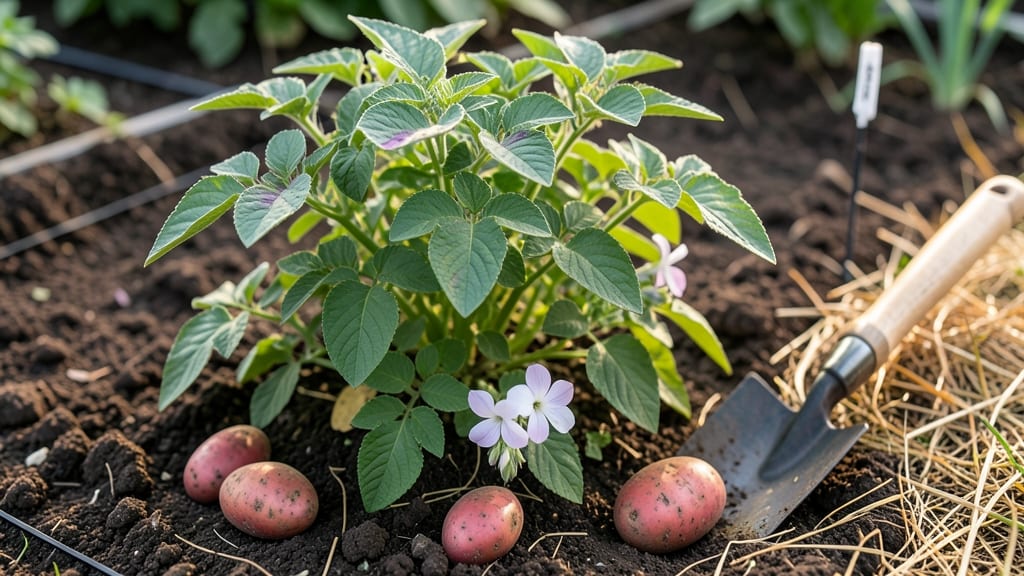
Optimal planting windows for red potatoes in Georgia (soil temp guide)
Georgia’s mild winters and humid summers create unique challenges for growing red potatoes. Unlike northern states, we don’t face harsh freezes, but our soil temperature and frost-free dates still dictate the perfect planting window.
For most of Georgia (USDA zones 7b-8b), the ideal time to plant is when soil reaches 45–55°F, typically mid-February to early March in North Georgia and late January to February in South Georgia.
Why soil temperature matters: Potatoes sprout best between 45–55°F. Planting too early in cold soil delays germination, while waiting too long risks summer heat stress or disease pressure.
Georgia’s last frost dates vary—mid-March in North Georgia and early March in South Georgia—so time your planting to avoid surprises.
For a second harvest, consider a fall planting in late summer (August–September), targeting a harvest before the first frost in late November. This works best in South Georgia’s warmer microclimates but may fail in North Georgia’s cooler zones.
🌱
| Planting Window | Soil Temp | Georgia Region | Key Notes |
|---|---|---|---|
| Mid-February to Early March | 45–55°F | North Georgia | Avoid frost; use row covers if needed. |
| Late January to February | 45–55°F | South Georgia | Warmer soil speeds germination. |
| August–September (Fall) | 55–65°F | South Georgia Only | Harvest before first frost (late Nov). |
| Early April (Late Planting) | 50–60°F | All Regions | Smaller yield; prioritize disease-resistant varieties. |
North Georgia’s cooler microclimates (e.g., Blue Ridge Mountains) may need to wait until early March to avoid late frosts, while South Georgia’s warmer coastal plains can start as early as late January.
Use a soil thermometer to confirm readiness—don’t guess! Planting too early in cold soil can stunt growth, while waiting too long risks summer diseases like blight.
Pro tip: If your soil is too cold but you’re eager to plant, try starter beds with black plastic mulch. This warms the soil faster and speeds up germination. Just remove the mulch once sprouts appear to prevent overheating.
For container growing, adjust your timeline by 2–3 weeks earlier—pots warm up faster than in-ground soil. Place containers in a sunny, sheltered spot to protect young plants from windburn and temperature swings.
💧
Remember, Georgia’s humidity and clay-heavy soils can create ideal conditions for diseases like late blight. To mitigate risks, avoid planting too close to the last frost date—aim for a 60–90-day maturity window before the first frost in late November.
If you’re unsure about your local frost dates, check the Georgia Climate Project or your local Cooperative Extension office for updated data.
Finally, keep a planting journal to track your success. Note soil temps, germination rates, and harvest yields—this helps refine your strategy year after year. With the right timing, Georgia’s climate can yield high-quality red potatoes that rival commercial crops!
Optimal planting windows for red potatoes in Georgia (soil temp guide)
Georgia’s USDA Zones 7b-8b create unique challenges for planting red potatoes. Unlike northern states, we don’t face harsh winters, but soil temperature and frost dates still dictate success. The key is planting when the ground reaches 45–55°F, ensuring tubers sprout without frost damage.
This window varies by region—North Georgia’s cooler climate differs from South Georgia’s warmer soils.
For spring planting, aim for February to early March in North Georgia (e.g., Atlanta), while South Georgia gardeners (e.g., Savannah) can start as early as late January.
The last frost date (typically mid-March) isn’t the only factor—soil warmth matters more. Use a soil thermometer to confirm readiness before planting.
🌱 Pro Tip: Plant 4–6 weeks before your last frost date to give tubers time to establish roots. In Georgia, this means late February to early March for most areas, but adjust based on microclimates like valleys or urban heat islands.
🌱 Georgia Red Potato Planting Guide
| Region | Ideal Planting Window | Soil Temp Threshold | Harvest Window |
|---|---|---|---|
| North Georgia (Zone 7b) | Late February–Early March | 45–50°F | April–June |
| Central Georgia (Zone 7b-8a) | Early February–Late March | 48–52°F | March–May |
| South Georgia (Zone 8a-8b) | Late January–Early February | 50–55°F | February–April |
⚠️ Note: Adjust for microclimates—valleys stay cooler, while urban areas warm faster.
Don’t overlook fall planting for a winter harvest. In Georgia, plant red potatoes in September for harvests from November to December. This works best in Zone 8b (South Georgia), where frost arrives later. Use black plastic mulch to extend the season and protect tubers from early cold snaps.
For container gardening, start indoors 8–10 weeks before your target outdoor planting date. Georgia’s short growing season (210–240 frost-free days) means timing is critical—late plantings risk small yields or blight from summer heat. Prioritize early varieties like ‘Red Norland’ for spring and ‘Red LaSoda’ for fall.
Monitor weather forecasts for unexpected frost or heatwaves. In 2023, a late-March frost in North Georgia wiped out unprotected crops. Use row covers or straw mulch to shield young plants. With the right timing, you’ll enjoy homegrown red potatoes from spring to winter—no store-bought tubers needed!