
Plants
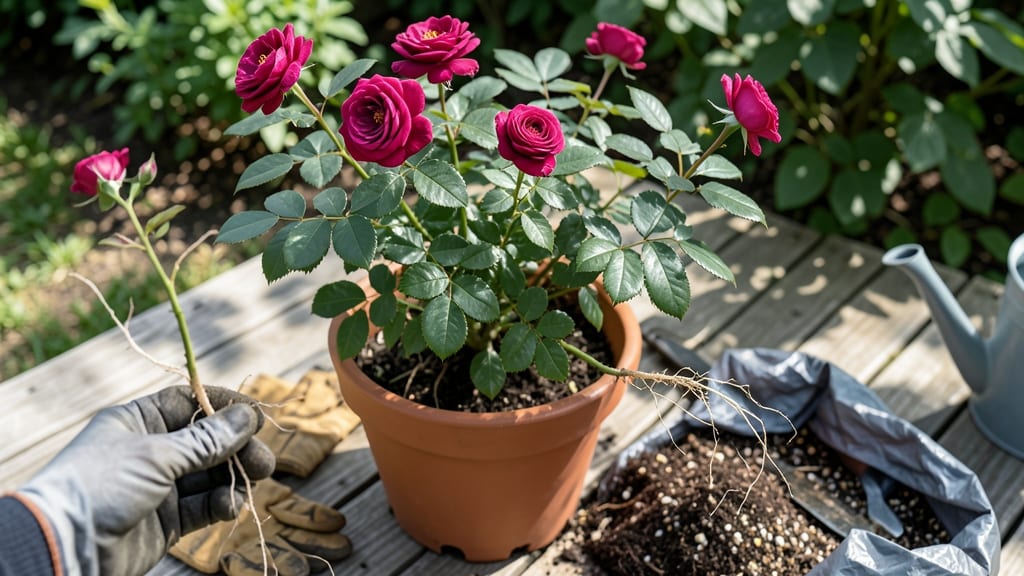
Best months to plant roses in pots by USDA climate zone
Timing your rose planting in pots depends entirely on your USDA climate zone and local frost patterns. Unlike in-ground roses, container-grown roses offer flexibility—but you still need to align with soil warmth and dormancy cycles.
In most zones, early spring (4-6 weeks before last frost) or early fall (6-8 weeks before first frost) are ideal windows. Let’s break it down by zone so you can plant with confidence.
For Zones 3-5 (cold climates like Minnesota or Upstate New York), aim for late April to early May after the last frost date. These zones have short growing seasons, so starting in containers lets you extend the season.
If you plant in fall, do it by mid-September to allow roots to establish before winter. In Zones 6-7 (e.g., Chicago, Denver), you’ve got a little more wiggle room: March to early June or September to October work well.
In Zones 8-9 (Southern California, Georgia), you can plant year-round with minimal frost risk, but spring (March-April) and fall (September-October) still give the best results. The key is avoiding extreme heat stress in summer or winter chills that can shock roots.
For Zones 10-11 (Florida, Arizona), plant in winter (December-February) to escape summer’s brutal heat, or in fall (September-October) for a cooler transition.
| USDA Zone | Best Planting Months | Soil Temp Goal (°F) | Key Consideration |
|---|---|---|---|
| 3-5 (Cold) | Late April–Early May (Spring) OR Mid-Sept (Fall) | 50–60°F | Avoid frost; use row covers if needed |
| 6-7 (Temperate) | March–Early June (Spring) OR Sept–Oct (Fall) | 55–65°F | Container warmth extends season slightly |
| 8-9 (Warm) | March–April (Spring) OR Sept–Oct (Fall) | 60–70°F | Avoid summer planting; heat stress risk |
| 10-11 (Hot) | Dec–Feb (Winter) OR Sept–Oct (Fall) | 65–75°F | Escape summer heat; use shade cloth |
Pro tip: Container-grown roses warm up faster than in-ground plants, so you can often plant 2-4 weeks earlier in spring or 2 weeks later in fall compared to ground planting. Test your soil temperature with a thermometer—ideal temps are 50–65°F for root growth.
If your soil is still cold, wait a few more days or use black plastic mulch to warm it up faster.
Fall planting is a hidden gem for potted roses. In Zones 6-9, planting in September or October gives roots time to establish before winter dormancy. Avoid planting too late—6-8 weeks before first frost is the cutoff.
In Zones 3-5, focus on spring planting unless you’re using heated containers or a greenhouse to protect roots.
One common mistake? Planting bare-root roses too early in spring when soil is still frozen. Bare roots need active soil to regrow roots quickly. If you’re unsure, check for bud swell—when buds start to plump up, it’s time to plant.
For container-grown roses (potted plants), you can plant anytime soil isn’t frozen, but spring or fall still give the best results.
For coastal climates (e.g., Pacific Northwest, Gulf Coast), timing shifts slightly. Coastal areas often have milder winters, so you might plant in late winter (February) or early fall (October). However, watch for chilly coastal fogs—these can delay planting just like frost.
If you’re in a high-humidity zone, plant in full sun to prevent fungal issues like black spot.
Remember: Container size matters. Smaller pots (10–15 gallons) dry out faster and can’t regulate temperature as well as larger ones (20+ gallons).
If you’re planting in smaller containers, choose a dwarf or mini rose variety (like 'Knock Out' roses) and plant in spring to give them the longest growing season possible.
Best months to plant roses in pots by USDA climate zone
Timing your potted rose planting depends entirely on your USDA climate zone and local frost patterns. Unlike in-ground roses, container-grown roses offer flexibility—you can plant 4-6 weeks before your last frost or even in early fall for a second bloom cycle.
But get it wrong, and you’ll struggle with root shock or winter damage.
For most gardeners in Zones 3-7, the ideal window is late April to early May—after soil temps hit 55°F (13°C). In warmer Zones 8-11, you can plant as early as February or even August-September for fall blooms.
The key is avoiding extreme heat or cold during root establishment.
| USDA Zone | Best Planting Months | Soil Temp Requirement | Frost Risk |
|---|---|---|---|
| 3-5 | May-June (after last frost) | 55°F+ (13°C+) | High (late frost risk) |
| 6-7 | April-May or September | 50°F+ (10°C+) | Moderate (watch for late frosts) |
| 8-9 | February-March or August-September | 60°F+ (16°C+) | Low (mild winters) |
| 10-11 | January-February or October-November | 65°F+ (18°C+) | None (tropical climates) |
In Zones 3-5, I’ve seen gardeners rush planting in early spring only to have frost-nipped buds or waterlogged soil. Wait until nighttime temps stay above 50°F (10°C)—use a soil thermometer to confirm.
For Zones 8-11, avoid planting in peak summer heat (June-August), as roots struggle to establish in 100°F+ (38°C+) soil.
Pro tip: If you’re in a transition zone (like Zone 7b), split your planting into two batches—one in early spring and another in late summer. This gives you extended blooms and reduces pest pressure from crowded plants.
For container-specific timing, remember that pots heat up faster than garden beds. If you’re in a hot climate, plant in early spring or fall to avoid root burn.
In cooler zones, use black pots to absorb warmth or light-colored pots to reflect heat, depending on your microclimate.
Always check your local frost dates—even if your zone suggests a certain window, microclimates (like urban heat islands or windy hills) can shift your ideal planting time by 2-4 weeks. When in doubt, plant 2-3 weeks later than the zone guidelines.