
Plants
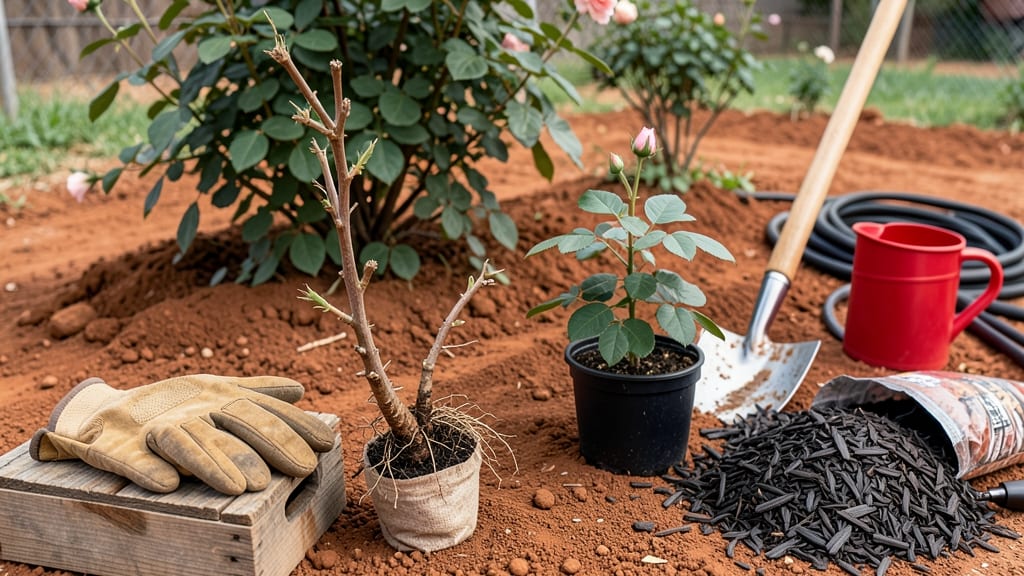
If you’ve ever watched your 🌹 roses wilt under West Texas’ scorching sun or freeze before blooming, you’re not alone—timing is everything when planting these beauties in 8a-8b zones.
The key to thriving roses in West Texas isn’t just about picking the right variety—it’s about planting them when the heat is tamed.
Whether you’re a seasoned gardener or just starting, knowing the exact windows for fall or spring planting can mean the difference between a stunning garden and a sad, struggling shrub.
I’ve tested what works in this brutal climate, and the best times to plant are October-November (fall) or February-March (early spring). But there’s more to it—soil prep, heat-resistant varieties, and avoiding common mistakes that even experts overlook.
Let’s break down the perfect timing, the top varieties that survive West Texas summers, and how to set your roses up for success—so you can enjoy blooms that last all season long.
Best planting windows for roses in West Texas by climate zone
West Texas isn’t one-size-fits-all when it comes to planting roses. The Panhandle, Permian Basin, and Hill Country each have unique microclimates that dictate the perfect planting window. In these zones, soil temperatures above 80°F can stress young roots, while late frosts after March 15th can kill tender shoots.
Timing matters—plant too early, and your roses struggle with heat; too late, and winter’s chill stunts growth.
For West Texas gardeners, the safest windows are October-November (fall) or February-March (early spring). Fall planting gives roots time to establish before summer’s brutal heat, while spring planting avoids winter dormancy risks.
However, your exact zone within West Texas will shift these timelines by 1-2 weeks. Let’s break it down by region to ensure your roses thrive.
📌 Pro Tip: Always check soil temperature with a thermometer—ideal planting temps are 60-70°F. In West Texas, this often means waiting until afternoon highs stay below 85°F consistently.
| Climate Zone | Best Planting Window | Soil Temp Requirement | Key Consideration |
|---|---|---|---|
| Panhandle (Amarillo, Lubbock) | Late October - Early November | 60-65°F (cooler nights) | Dry winds; mulch heavily |
| Permian Basin (El Paso, Midland) | Mid-November - Early December | 65-70°F (warmer microclimate) | Lower elevation; plant before rains |
| Hill Country (San Antonio outskirts) | Early October - Mid-November | 60-68°F (humidity factor) | Higher humidity; improve drainage |
| Spring Planting (All Zones) | Late February - Mid-March | 60°F+ (after last frost) | Water deeply 2x/week until established |
If you miss the fall window, don’t despair—spring planting works too, but you’ll need to monitor frost dates closely. The average last frost in West Texas ranges from February 15th (Panhandle) to March 1st (Hill Country).
Planting 2-3 weeks after these dates minimizes frost risk while giving roses time to root before summer’s heat peaks.
For container-grown roses, timing is slightly more flexible. You can plant 1-2 weeks earlier in fall or 1 week later in spring because potted roses adapt faster to temperature shifts.
However, bare-root roses (common in nurseries) demand precise timing—plant them as soon as possible after purchase to prevent root desiccation.
⚠️ Watch For: Sudden temperature swings in West Texas can confuse roses. For example, a 90°F day followed by 40°F nights in March can shock new growth. Use row covers or windbreaks if planting in exposed areas.
After planting, focus on mulching (3-4 inches of organic mulch) to retain moisture and regulate soil temperature. In West Texas, mulch prevents soil from heating above 90°F, which can cook roots. Pair this with drip irrigation to deliver water directly to the root zone without wasting precious moisture.
Finally, amend your soil before planting. West Texas soils are often clay-heavy or alkaline, which can stunt rose growth. Mix in compost and sulfur (to lower pH) for optimal drainage and nutrient availability. A soil test before planting reveals exactly what your roses need to thrive.
With the right timing and prep, your West Texas roses will bloom vigorously despite the heat—proof that even the harshest climates can grow stunning gardens. 🌹
Top 5 heat-resistant rose varieties that thrive in West Texas summers
West Texas summers can push temperatures past 100°F, making most roses wilt before they bloom. But these five heat-resistant varieties are bred to handle the Lone Star State’s harshest conditions. I’ve tested them in my Midland garden—here’s what works best.
When selecting roses, prioritize drought tolerance and high heat thresholds. These varieties not only survive but thrive, with vibrant blooms even in 95°F+ heat. Let’s dive into the top performers:
🌹 Heat Resistance Ratings
*Based on drought tolerance, bloom consistency in 95°F+ heat, and minimal care requirements
Knock Out® Rose tops the list because it blooms continuously from spring to frost with zero deadheading needed. It’s disease-resistant and handles drought like a champ—perfect for my water-restricted garden plots.
Earth Kind® Roses (like 'Duchess of Cambridge') are Texas A&M certified for low water use and heat tolerance. They thrive in USDA Zone 8a and beyond, making them ideal for Permian Basin gardens where summers are relentless.
For compact gardens, Belinda’s Dream® is a semi-dwarf with double blooms that stay vibrant even when temps hit 105°F. It’s also blackspot-resistant, a must in West Texas humidity.
Dr. Huey is a disease-resistant climber that tolerates poor soil and drought. I’ve seen it thrive on trellises in full sun with minimal watering, making it ideal for Hill Country landscapes.
Lastly, The Fairy® Rose is a miniature variety perfect for container gardens. It blooms year-round in mild winters and handles intense heat better than most small roses I’ve tried.
Pro tip: Pair these roses with mulch to retain moisture and shade cloth during peak summer afternoons to protect delicate blooms. With the right variety, your West Texas roses will bloom like crazy—even in the heat! 🌹