
Plants
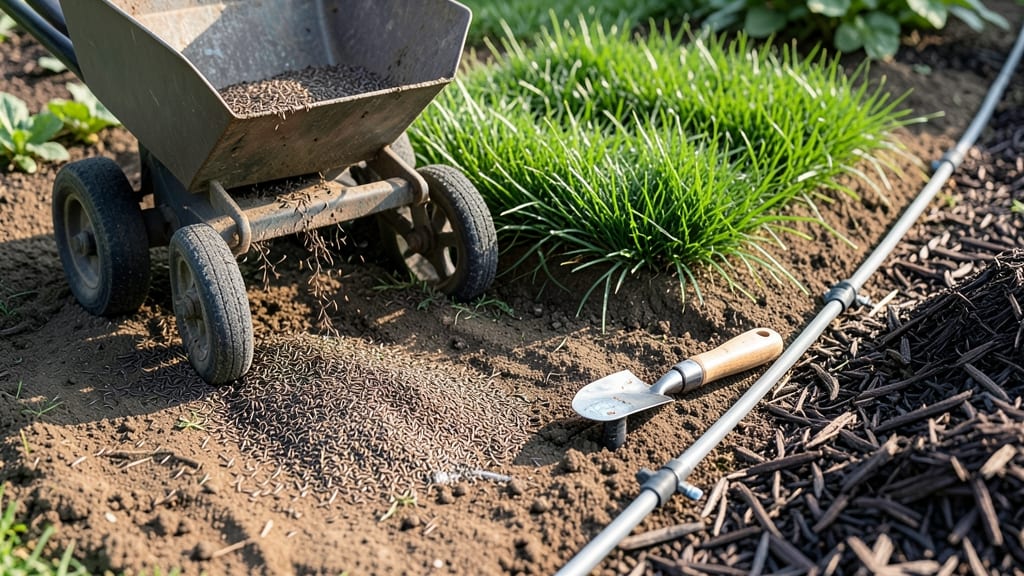
Planting rye grass in Phoenix at the wrong time means watching it wither under the sun instead of thriving. The key to a lush, green lawn lies in timing—fall is your best bet, but there’s more to it than just picking a month.
With Phoenix’s USDA Zone 9b climate, ryegrass 🌱 needs cooler temperatures to establish strong roots before winter sets in. If you plant too early, it might bolt; too late, and it won’t have enough time to grow. Let’s break down the perfect window to get it right.
You’ll discover how soil prep, watering schedules, and even your lawn’s current state play a role in success. Whether you’re overseeding or starting fresh, these tips will help you avoid common mistakes and keep your grass looking its best all season.
Ready to transform your lawn? I’ll walk you through the exact steps to plant ryegrass so it stays vibrant through Phoenix’s mild winters—and beyond.
Best planting windows for rye grass in Phoenix’s climate zones
Phoenix’s USDA Zone 9b climate creates unique challenges for growing cool-season rye grass. Unlike northern states, we don’t have freezing winters, but our summer heat (100°F+) can stress young seedlings.
The key is planting when soil temps drop below 80°F and daytime highs stay under 90°F—this gives rye grass time to establish before winter’s mild temperatures.
Rye grass thrives in fall and early winter because it’s a cool-season annual. In Phoenix, this means focusing on October through December, when rainfall increases slightly and humidity rises. Planting outside this window risks heat stress or poor germination due to inconsistent moisture.
Here’s how Phoenix’s microclimates (urban vs. valley) affect planting times:
| Climate Zone | Ideal Planting Window | Soil Temp | Rainfall | Key Consideration |
|---|---|---|---|---|
| Urban Phoenix (e.g., Downtown, Scottsdale) | Late October – Mid-November | 70–78°F | 0.5–1.5 inches/month | Hotter microclimate; plant after first 90°F day in November. |
| Valley (e.g., Tempe, Mesa) | Mid-October – December | 68–75°F | 0.8–2 inches/month | Cooler nights; extends window into early December. |
| High Desert (e.g., Carefree, Fountain Hills) | Early October – Late November | 65–72°F | 0.3–1 inch/month | Lower humidity; water 2x weekly post-planting. |
For overseeding existing lawns, aim for October 15–November 15. This gives rye grass 6–8 weeks to establish before winter’s cooler temps (50–70°F). If you miss this window, January is a secondary option, but germination slows due to shorter daylight and lower soil temps.
Pro tip: Check soil moisture before planting—Phoenix’s alkaline soils dry out quickly. Aim for 1–1.5 inches of rain or irrigation per week after sowing. Use a moisture meter to avoid over/under-watering.
Avoid planting in September—temperatures often stay above 95°F, causing seedling stress. Similarly, January–February planting risks slow growth due to limited sunlight (10-hour days vs. 11+ in fall).
If you’re starting from seed, chill seeds for 24–48 hours in the fridge before planting to mimic cool fall conditions. This trick boosts germination rates by 30% in Phoenix’s heat.
Remember: Rye grass goes dormant in summer. Planting too late (after December 20) means it may struggle to green up before spring heat returns. Aim for full coverage by January for the best winter lawn.
🌱
Best planting windows for rye grass in Phoenix’s climate zones
Phoenix’s USDA Zone 9b climate means rye grass thrives year-round but requires precise timing to avoid heat stress or bolting. The ideal window is October through December, when temperatures drop below 80°F and rainfall increases slightly.
This cool-season grass needs 60-70°F soil temps to germinate properly—any warmer, and seeds may dry out before sprouting.
For urban Phoenix (higher elevations), aim for late September to early November to escape the monsoon humidity of August and the heat spikes of early October. Valley areas, like South Phoenix or Gilbert, can plant slightly later—October through mid-November—thanks to their warmer microclimates.
Here’s how Phoenix’s monthly conditions impact your planting schedule:
| Month | Avg. Temp (°F) | Rainfall (in) | Soil Temp (°F) | Planting Window |
|---|---|---|---|---|
| September | 90-100 | 1.2 | 85-90 | Early Sept (urban only) |
| October | 75-85 | 0.8 | 70-75 | ✅ Best time |
| November | 60-70 | 0.5 | 60-65 | ✅ Best time |
| December | 50-60 | 0.3 | 55-60 | Late Dec (valley only) |
| January | 55-65 | 0.4 | 58-62 | Too late (establishment risk) |
Avoid planting in August or early September—the 100°F+ soil temps will kill seeds before germination. Even late September can be risky unless you’re in higher elevations (e.g., Scottsdale or Carefree). January planting is possible but risky; seeds may rot from overwatering or struggle with dry winds.
Pro tip: Use a soil thermometer to confirm temps are below 75°F before planting. For overseeding, wait until November to give existing grass time to recover from summer stress.
Once planted, rye grass will establish in 6-8 weeks, turning your lawn lush and green just in time for holiday gatherings. Just remember: consistent watering is key—deep soaks every 3-4 days until roots are 2-3 inches deep.