
Plants
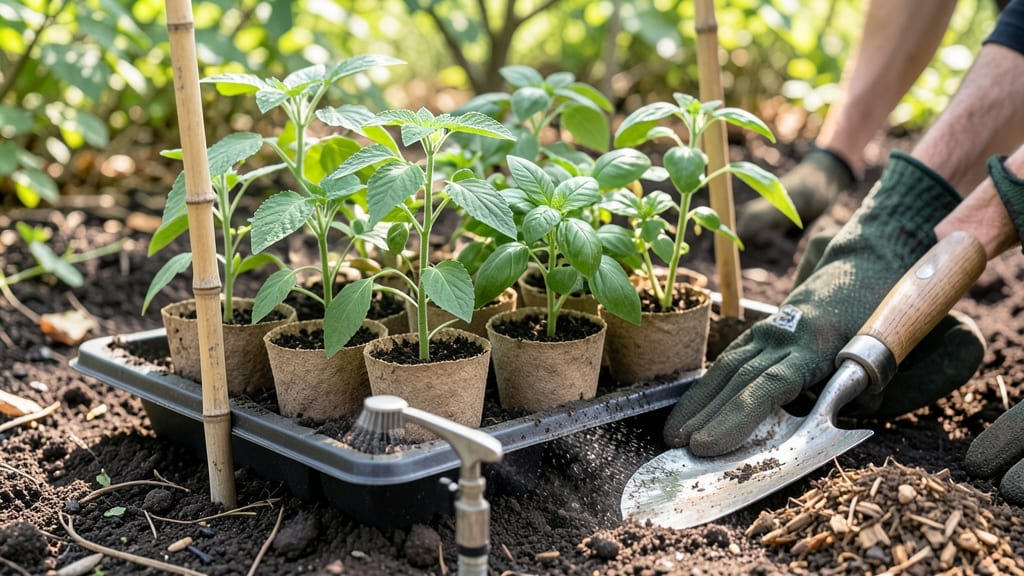
When to plant seedlings in the ground can make or break your harvest—timing it wrong turns your tender 🌱 seedlings into sad, wilted memories. But get it right, and you'll watch those fragile starts transform into thriving plants that reward you with a bountiful summer harvest.
The key isn't just waiting for spring's arrival—it's understanding your local frost dates and how different plants handle temperature shifts. Warm-season crops like tomatoes and peppers need soil that's actually warm before they go in, while cool-season greens can handle a little chill.
I'll break down exactly when to plant based on your zone so you never guess again.
What happens when you plant too early? Weak roots, stunted growth, or worse—seedlings that simply give up. But there's a better way: learning how to read your soil and climate so you transplant at the perfect moment.
Let's dive into the science and simple steps that'll have your garden thriving all season long.
Whether you're a first-time gardener or a seasoned green thumb, these insights will help you avoid common mistakes and maximize your plants' potential. Ready to turn your seedlings into a garden you'll be proud of? Let's get started.
Frost-free planting timeline for common seedlings by US hardiness zones
Getting seedlings into the ground at the right time is the difference between a thriving garden and a sad, wilted disappointment. The key is understanding your USDA hardiness zone and aligning planting with your last average frost date.
For example, in Zone 5, you’ll plant warm-season crops like tomatoes weeks after your last frost, while cool-season crops like lettuce can go in much earlier.
Most gardeners follow a simple rule: wait until soil temperatures hit 60°F+ for warm-season crops and 40-50°F for cool-season varieties. But timing varies dramatically across regions—what’s perfect for Zone 10 (planting in October) would fry seedlings in Zone 3 (where May is the magic month).
Warm-season seedlings (tomatoes, peppers, basil) need consistent warmth to thrive, while cool-season varieties (kale, spinach, pansies) can handle light frosts. Below, I’ve broken down planting windows by zone and plant type, so you can avoid the common mistake of rushing seedlings into cold soil.
🌱 Frost-Free Planting Timeline by Zone & Plant Type
| Zone | Plant Type | Ideal Planting Window | Soil Temp Requirement | Notes |
|---|---|---|---|---|
| 3-4 | Tomatoes, Peppers | Mid-May to June 1 | 60°F+ | Use row covers for early starts |
| 5-6 | Tomatoes, Peppers | Late April to May 15 | 60°F+ | Hardening off required |
| 7-8 | Tomatoes, Peppers | March to April 15 | 55°F+ | Longer growing season |
| 9-10 | Tomatoes, Peppers | January to February | 50°F+ | Fall planting possible |
| 3-4 | Lettuce, Spinach | Early April to May 10 | 40-50°F | Bolt-resistant varieties |
| 5-6 | Lettuce, Spinach | March to April 30 | 40-50°F | Successive plantings |
| 7-8 | Lettuce, Spinach | Fall or Spring | 45°F+ | Avoid summer heat |
| 9-10 | Lettuce, Spinach | Year-round |
How to calculate your local frost-free dates for perfect seedling transplantingDetermining the right time to plant seedlings in your ground starts with understanding your local frost-free dates. These dates mark the window between the last spring frost and the first fall frost, giving you the safest period for transplanting tender seedlings. Without this knowledge, you risk exposing delicate plants to frost damage or missing the optimal growth window. Most gardeners rely on the USDA Plant Hardiness Zone Map as their starting point. Each zone (3 through 10) has average last frost dates that shift slightly by region. For example, Zone 5 might see its last frost around April 15, while Zone 8’s last frost could be as late as March 1. Always verify these dates with local weather records, as microclimates can vary dramatically even within the same zone. Step-by-Step Guide to Calculate Your Frost-Free Dates
For warm-season crops like tomatoes, peppers, and basil, wait until the soil has warmed to at least 60°F (15°C)—cold soil can stunt root growth. You can speed up soil warming by using black plastic mulch or planting in raised beds, which heat up faster. Conversely, cool-season crops like lettuce and spinach can handle light frosts and may even prefer cooler soil temperatures around 50°F (10°C). Don’t rely solely on calendar dates—use a frost calculator or gardening apps like Gardeners.com or USDA’s Plant Hardiness Tool to input your zip code. These tools factor in local weather patterns, giving you a more accurate estimate than generic zone averages. I always cross-check with my local agricultural extension service for hyper-local insights. Once you’ve nailed down your frost-free window, harden off your seedlings for 7-10 days before transplanting. This gradual acclimation to outdoor conditions prevents transplant shock and helps seedlings establish roots faster. Start by placing them in a sheltered spot during the day and bringing them indoors at night, then slowly increase their outdoor exposure. Remember, the goal is to transplant when your seedlings are 2-3 inches tall with 4-6 true leaves—this ensures they’re strong enough to handle the transition. With the right timing, your seedlings will thrive, and you’ll enjoy a longer harvest window and healthier plants all season long. 🌱 |