
Plants
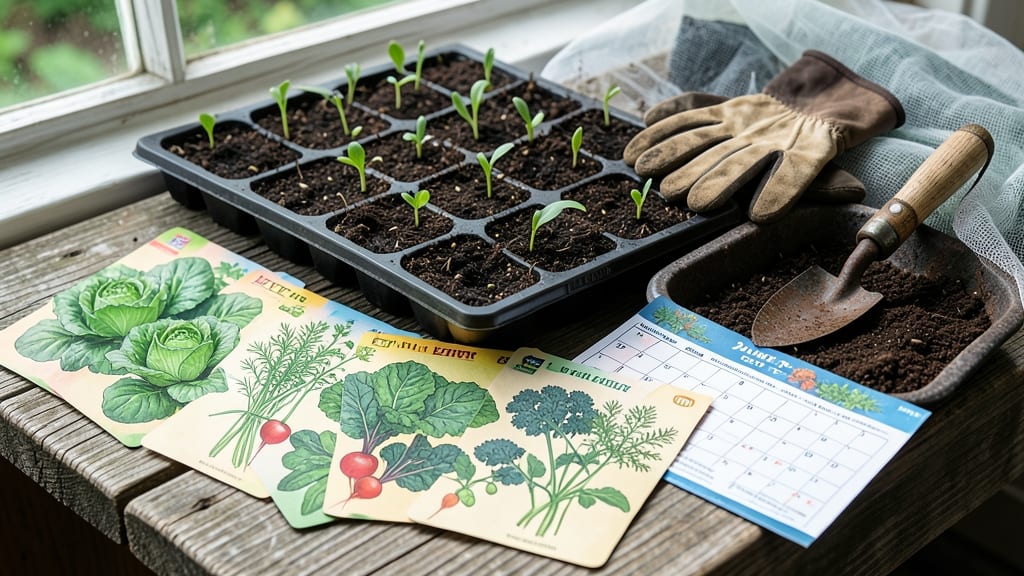
Figuring out when to plant seeds in Zone 5 can feel like solving a puzzle—one wrong move, and your garden dreams go up in smoke. Whether you're dreaming of crisp lettuce or vibrant marigolds, getting the timing right makes all the difference between a thriving garden and wasted effort.
In Zone 5 (General), where frost clings to the ground until mid-May and lingers again by mid-September, the stakes are high. Cool-season crops like peas and spinach beg to be planted early, while tomatoes and basil need to wait until the soil warms up—usually after the last frost.
But how do you know when exactly to pull those seeds from the drawer?
I’ve cracked the code on perfect timing, and what I’m about to share will save you from guessing games. You’ll learn how to align your planting schedule with frost dates, soil temperatures, and even microclimates in your backyard.
No more second-guessing—just a foolproof plan for a garden that bursts with life.
Let’s dive into the secrets of Zone 5 planting so you can turn your garden into the envy of the neighborhood. Trust me, your future self will thank you when those first sprouts peek through the soil—right on schedule.
Zone 5 frost dates and seed planting windows by month
Zone 5 gardeners face a 165-day frost-free window—a tight schedule where timing seeds correctly separates success from failure. The average last frost hits around May 15, while the first frost typically arrives September 15.
But these dates vary yearly, so flexibility is key. Understanding these windows helps you align cool-season crops (like spinach and peas) with early spring and fall, while warm-season crops (tomatoes, peppers) thrive in summer’s heat.
Your local microclimate plays a huge role—valleys freeze faster, while slopes warm up earlier. Urban areas can trap heat, extending the growing season. For example, Chicago’s last frost might be May 10, while Cincinnati’s could be May 20.
Always check your local almanac or use a frost date calculator for precision.
Here’s the golden rule: Cool-season crops (hardy down to 25°F) can go in 4-6 weeks before last frost, while warm-season crops (needing 60°F+ soil) wait until after last frost. Fall crops like kale or radishes get a second chance 6-8 weeks before first frost.
Miss these windows, and you’ll either lose seeds to frost or overwhelm plants with heat stress.
🌱
| Month | Cool-Season Crops (Hardy) | Warm-Season Crops (Tender) | Fall Planting Window |
|---|---|---|---|
| March | Peas, spinach, lettuce (with row covers) | None (too cold) | — |
| April | Broccoli, cabbage, carrots, radishes | Start indoors: tomatoes, peppers | Late Aug (6-8 wks before frost) |
| May | Kale, Swiss chard (after last frost) | Direct sow: beans, cucumbers, squash | Early Sept |
| June | None (too hot) | Peak season: tomatoes, peppers, eggplant | Mid-Sept |
| July | None | Succession plant: beans, lettuce | Late Sept |
| August | None | Fast growers: radishes, spinach | Early Oct |
| September | Late spinach, arugula | None (too late) | Mid-Oct |
🌡️ Pro Tip: Use row covers to extend spring/fall windows by 2-3 weeks.
For herbs like cilantro, timing is tricky—they bolt in heat but also freeze easily. Plant in early spring (March-April) and again in late summer (August-September) for two harvests. Similarly, green onions thrive in both cool and warm seasons, making them a year-round candidate with proper spacing.
Don’t overlook soil temperature—warm-season crops like tomatoes need soil at 60°F+ to germinate. A soil thermometer ($10 at garden centers) is your best friend. If your soil is <
Zone 5 frost dates and seed planting windows by month
Understanding Zone 5 frost dates is the first step to successful seed planting. In this zone, the average last frost date falls around May 15, while the first frost typically arrives on September 15.
These dates create a 165-day growing season, giving you two prime planting windows: early spring and late summer/fall. Cool-season crops like kale and spinach can even handle light frosts, while tender plants like tomatoes need warmth to thrive.
Your planting schedule should align with these frost dates, but also consider soil temperature. Most seeds need soil that's at least 50°F (10°C) to germinate, while warm-season crops like peppers require 70°F (21°C).
Waiting for the right conditions prevents wasted seeds and weak seedlings. For example, planting marigolds too early in cold soil can lead to rot, while beans planted too late may not mature before frost.
| Month | Cool-Season Crops | Warm-Season Crops | Soil Temp Needed |
|---|---|---|---|
| March | Spinach, Lettuce, Peas | None (too cold) | 40-50°F (4-10°C) |
| April | Broccoli, Cabbage, Carrots | Tomatoes (with row covers) | 50-60°F (10-15°C) |
| May | Radishes, Arugula | Peppers, Eggplants, Cucumbers | 60-70°F (15-21°C) |
| June | None (too warm) | Beans, Corn, Basil | 70°F+ (21°C+) |
| September | Kale, Swiss Chard, Lettuce | None (too late) | 50-60°F (10-15°C) |
| October | Spinach, Radishes, Peas | None | 40-50°F (4-10°C) |
Don’t forget about microclimates—your garden’s specific conditions can shift planting times by 1-2 weeks. South-facing beds warm up faster, while shady spots stay cooler longer.
For example, if your garden sits in a sunny microclimate, you might plant warm-season crops like cucumbers a week earlier than the average Zone 5 date. Conversely, a shady or low-lying area may need a later start for the same plants.
For fall planting, aim to sow seeds 8-10 weeks before your first frost. This gives cool-season crops like brussels sprouts enough time to mature before cold sets in. Use row covers or a cold frame to extend the season further.
I’ve had great success with garlic and onions planted in late September—they overwinter and produce robust harvests the following summer.
Pro tip: Keep a gardening journal to track your local frost dates and adjust future planting schedules. Over time, you’ll notice patterns—like whether your area gets an unexpected late frost in May or an early warm spell in September.
This local knowledge is invaluable for fine-tuning your timing and maximizing your harvest.
Finally, remember that seed packets provide critical clues. The days-to-maturity listed on the packet helps determine when to plant.
For instance, if your zucchini needs 50 days to harvest and your frost-free season is 165 days, you can plant it as late as mid-August and still enjoy a harvest before frost. Always double-check these details to avoid planting too early or too late.