
Shrubs
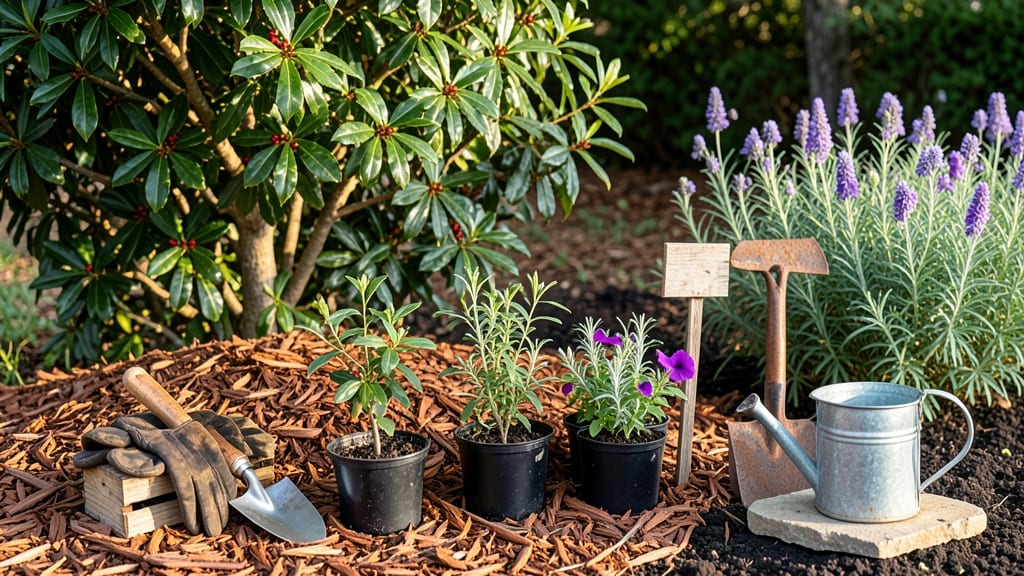
Timing your shrubs planting in Texas can mean the difference between a lush, thriving landscape and a sad, wilted investment. With Texas' extreme heat and unpredictable freezes, getting the schedule wrong could leave your 🌿 struggling—or worse, dead before they even take root.
Most gardeners know spring and fall are the best times, but Texas isn’t one-size-fits-all. Whether you're in North Texas where frosts linger into March or South Texas where heat arrives early, the perfect window shifts dramatically.
I’ll break down exactly when to plant in your specific zone so your shrubs get the best possible start.
You’ll also discover which shrubs handle Texas’ brutal summers best, how to prep your soil for survival, and why planting too late in summer is a recipe for failure. Let’s make sure your shrubs not only live but thrive in the Lone Star State.
From drought-resistant varieties to container planting hacks, this guide covers everything you need to know. Ready to transform your yard into a green oasis? Let’s get started.
Texas planting zones: when to plant shrubs by region (north vs. south)
Texas is a gardener's paradox—where 100-degree summers meet unpredictable freezes that can drop temps to 20°F overnight. Unlike cooler climates, timing your shrubs wrong here can mean the difference between a thriving landscape and a wilted investment. The key? Understanding your USDA hardiness zone and local frost patterns.
Texas spans USDA zones 7b to 10b, meaning North Texas gardeners (like those in Dallas or Fort Worth) face later last frosts (around February 15) compared to South Texas (Houston or San Antonio), where the ground thaws by January 1.
Even within these zones, microclimates (like urban heat islands or hilltop elevations) can shift ideal planting windows by 2-4 weeks.
For precise timing, I recommend checking the Texas A&M AgriLife Extension frost maps or using the National Weather Service's first/last frost averages for your county.
But here’s a general rule: Plant bare-root shrubs in late winter to early spring (after frost risk passes) or 6-8 weeks before your first frost in fall. Let’s break it down by region.
In North Texas (zones 7b-8b), I’ve seen gardeners rush to plant in March only to lose young shrubs to April frost. The safest bet?
Stick to March 15–April 15 for spring planting. For fall, aim for September 15–October 15—this gives roots time to establish before winter chills arrive.
Down in South Texas (zones 9a-10b), the real challenge is summer heat. Planting in August or September lets shrubs avoid the 100°F+ soil of peak summer.
I once tried planting a Texas Sage in June, and it took 3 months to recover from transplant shock. Pro tip: Soak the root ball before planting and use shade cloth for the first 2 weeks.
One mistake I see often? Ignoring microclimates. A hilltop in Dallas (zone 8a) might frost over while the valley stays warm. If you’re unsure, test your microclimate by planting marigolds or basil—if they survive, your shrubs likely will too.
For container shrubs, extend your window by 2-4 weeks since pots warm up faster in spring.
For container-grown shrubs, you’ve got a little more flexibility. These can handle late spring plantings (up to May 1 in North Texas) because their roots aren’t stressed by compacted native soil. Just water deeply every 2–3 days for the first month to help them adjust.
Remember: Texas soil is heavy on clay in many areas,
Best shrubs for Texas: fast-growing varieties by season
Texas’s extreme climate demands heat-tolerant, drought-resistant shrubs that thrive in USDA Zones 8a–10b. The right variety planted at the right time can mean the difference between a lush landscape and a struggling specimen.
Let’s dive into the best shrubs for each season, from spring bloomers to fall hardiers.
For spring planting (February–March), focus on shrubs that establish roots before summer’s brutal heat. Crape Myrtle and Texas Sage are top picks—they bloom prolifically and handle Texas’s 100°F+ temperatures with ease. Meanwhile, Yucca and Agave (yes, they’re technically succulents but act like shrubs) are nearly indestructible once planted.
🌿
🌱 Spring Planting (Feb–Mar)
- Crape Myrtle – Blooms June–September, thrives in full sun, drought-tolerant once established.
- Texas Sage (Cenizo) – Purple blooms in spring, silver foliage, needs well-draining soil.
- Yucca – Zero water needs after establishment, architectural form, full sun lover.
🍂 Fall Planting (Sep–Nov)
- Dwarf Yaupon Holly – Evergreen, red berries, shade-tolerant, great for hedges.
- Abelia – White/pink blooms spring–fall, heat-resistant, partial shade option.
- Texas Betony – Native perennial, purple flowers, attracts pollinators, drought-proof.
❄️ Winter Opportunities (Dec–Jan, South Texas Only)
- Mexican Petunia – Cold-hardy in Zone 10b, bright flowers, thrives in containers.
- Winter Honeysuckle – Fragrant blooms in cool weather, fast-growing, partial shade.
If you’re planting in containers, opt for compact varieties like Dwarf Fountain Grass or Miniature Crape Myrtle. These stay manageable in pots while still delivering Texas-friendly beauty. Just remember: Containers dry out faster, so water every 5–7 days in summer.
For fastest results, pair your shrubs with a 2–3 inch layer of mulch to retain moisture and regulate soil temperature. This is especially critical in North Texas, where soil can bake to 120°F+ in summer. Use organic mulch like pine straw or shredded bark for best results.
🌳