
Plants
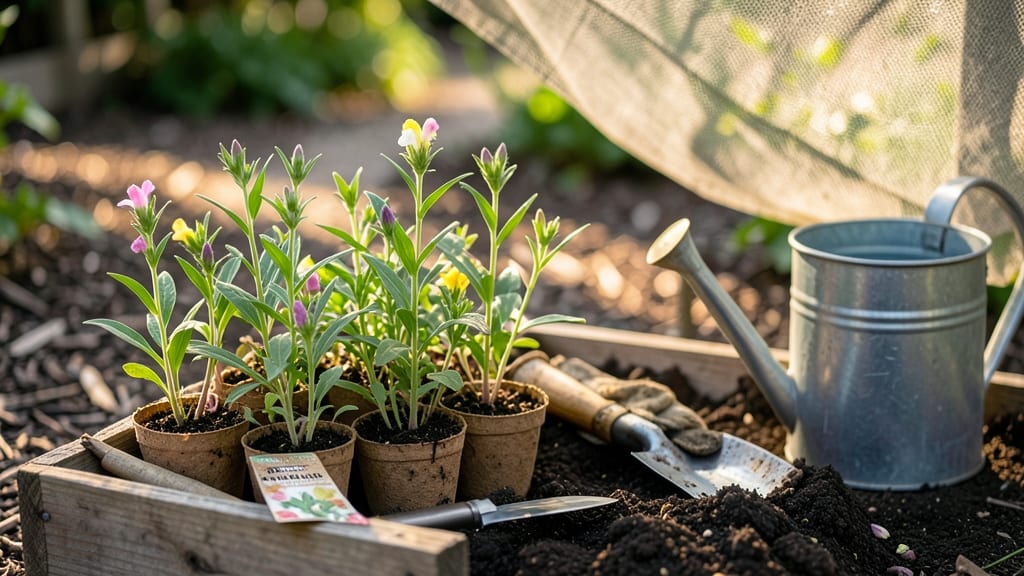
If you're dreaming of a garden bursting with vibrant snapdragons 🌸 in Zone 9, timing is the secret ingredient—plant too early, and the heat will fry your seedlings; too late, and you’ll miss those stunning blooms.
The perfect window for planting snapdragons in your region isn’t just about months—it’s about working with Zone 9’s unique climate to maximize growth and color.
Most gardeners in Zone 9b know the struggle: fall planting offers cooler soil and fewer pests, while spring gives longer daylight for blooms. But without the right schedule, even the hardiest snapdragons can struggle.
I’ll break down the exact frost-free timeline so you can plant with confidence, whether you’re sowing seeds or transplanting starts.
What you’ll discover is how to stretch your snapdragon season from November through May—yes, even in Zone 9’s mild winters. We’ll cover soil prep, heat tolerance tricks, and the best months to avoid summer dormancy. Ready to turn your garden into a year-round display? Let’s get started.
The key is knowing when to act: September-October for fall or February-March for spring. With the right timing, your snapdragons won’t just survive—they’ll thrive, giving you bold blooms that last. Let’s make sure your garden gets the timing right.
Zone 9 snapdragon planting calendar: best months for direct sowing vs transplants
Zone 9’s mild winters and hot summers create a unique challenge for growing snapdragons. Unlike colder climates, you can plant them in both fall and spring—but timing matters.
The key is avoiding extreme heat and summer dormancy while maximizing bloom cycles. Here’s your precise planting schedule for direct sowing vs. transplants.
For fall planting, aim for September to early October—this gives snapdragons time to establish roots before cooler weather arrives. In spring, plant February to March to beat the heat and ensure blooms before summer’s intensity.
These windows align with Zone 9’s 275 frost-free days, ensuring your snapdragons thrive without bolting.
Direct sowing is ideal for fall, while transplants work better in spring. Direct-sown seeds germinate best in 60-75°F soil, which Zone 9 achieves in late summer/early fall. Transplants, however, need cooler soil to avoid stress—hence the February-March window.
If you’re planting transplants, start seeds indoors 8-10 weeks before your target date (e.g., December for February planting). Use a grow light to prevent leggy seedlings, and harden them off for 7-10 days before transplanting.
For direct sowing, scatter seeds ¼-inch deep and keep soil moist until germination (7-14 days).
Zone 9’s microclimates can shift planting windows by 2-4 weeks. Coastal areas stay cooler longer, while inland zones heat up faster. Monitor your local high-temperature trends—snapdragons wilt in consistent 90°F+ heat.
If your area hits 85°F+ for 3+ days, provide afternoon shade with a lightweight row cover.
For continuous blooms, combine fall and spring plantings. Your September-October crop will flower through winter, while February-March plants extend color into early summer. This strategy ensures non-stop snapdragon blooms from November to May—just in time for Zone 9’s mild spring.
Pro tip: Use heat-tolerant varieties like ‘Matrix’ or ‘Rocket’ for summer resilience. These hybrids handle Zone 9’s heat spikes better than traditional snapdragons. Pair them with drought-tolerant companions like lantana or salvia to reduce watering stress.
Always test your soil’s drainage before planting. Snapdragons hate soggy roots, so amend heavy soil with compost or perlite. A slightly acidic to neutral pH (6.0-7.0) keeps them thriving. After planting, mulch with straw to retain moisture and regulate soil temperature.
Remember: Pinch back snapdragon stems when they reach 6 inches tall to encourage bushier growth. This simple step doubles your bloom count and keeps plants compact—perfect for Zone 9’s space-saving gardens. 🌸
Zone 9 snapdragon planting calendar: best months for direct sowing vs transplants
Zone 9’s mild winters and hot summers create a unique challenge for growing snapdragons. Unlike cooler climates, you can’t rely on traditional spring planting—your window is short but strategic.
The key is timing seeds or transplants to avoid summer heat stress while maximizing fall and winter blooms when temperatures cool.
For direct sowing, aim for late summer to early fall (August through September). This gives seeds time to germinate before soil temperatures drop. Transplants, however, thrive when planted 6-8 weeks before your first frost (typically mid-October for Zone 9b).
This timing ensures robust root establishment before winter chill sets in.
| Planting Method | Best Months | Key Considerations | Bloom Window |
|---|---|---|---|
| Direct Sowing | August–September | Seeds need 60–75°F soil to germinate; avoid midday heat. | November–February |
| Transplants (Fall) | September–October | Hardy after first frost; mulch to protect roots. | October–March |
| Transplants (Spring) | February–March | Plant 4–6 weeks before last frost; shade cloth helps. | April–June |
Spring planting in Zone 9 is trickier. While you can plant transplants in February or March, summer heat often causes bolting or dormancy. To succeed, use heat-resistant varieties like ‘Matrix’ or ‘Rocket’ and provide afternoon shade during peak summer months.
For continuous color, stagger plantings every 3–4 weeks from August through October.
Pro tip: Test your soil’s drainage and pH (ideal: 6.5–7.0) before planting. Zone 9 soils often compact, so amend with organic matter like compost or coconut coir. This improves moisture retention and root health during dry spells.
Remember, snapdragons are cool-season plants, so they’ll reward you with the most vibrant blooms when temperatures dip below 85°F. With the right timing, your Zone 9 garden can burst with color from fall through early spring—without the summer wilt! 🌸