
Plants
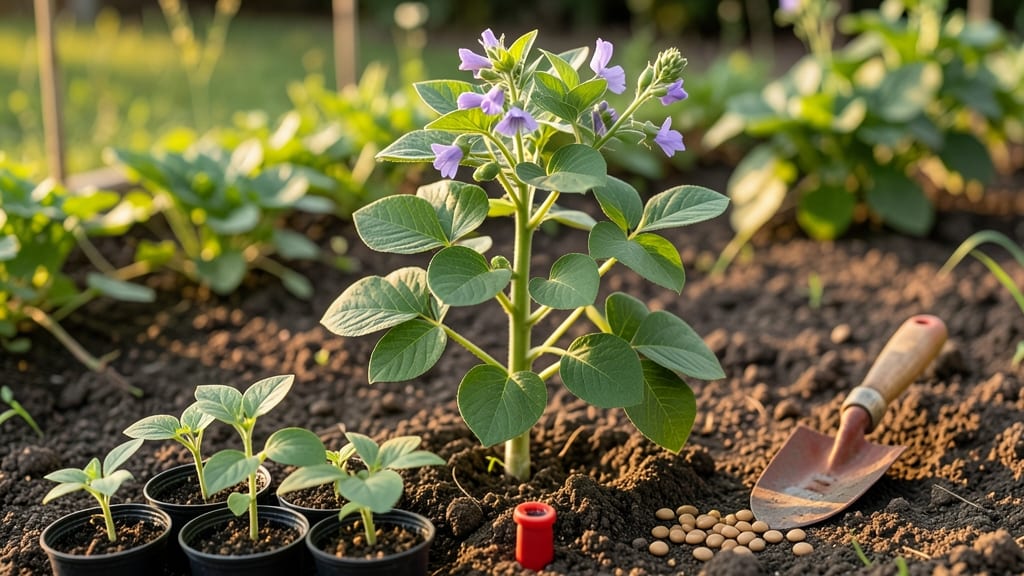
Alabama soybean planting dates by county: frost-free windows for optimal growth
Timing your soybean planting in Alabama depends on your county's frost-free window and USDA hardiness zone. The state spans zones 7a to 8b, with North Alabama experiencing later last frosts than South Alabama.
For maximum yield, aim to plant when soil temperatures reach 60°F—typically mid-April to early June for spring plantings.
Alabama's microclimates create variations: Wiregrass regions (south) often have earlier frost-free dates than the Black Belt (central). Summer plantings can occur late July to early August for second crops, but avoid planting too late—soybeans need 90-120 days to mature before fall frosts arrive.
Here’s how to align your planting with Alabama’s regional frost-free windows for optimal growth:
| County Region | Last Frost Date | Ideal Planting Window | Heat Unit Accumulation |
|---|---|---|---|
| North Alabama (e.g., Madison, Marshall) | April 15 - May 1 | Late April - early May | 2,800 - 3,200 |
| Central Alabama (e.g., Jefferson, Shelby) | March 30 - April 10 | Mid-April - late April | 3,000 - 3,400 |
| South Alabama (e.g., Mobile, Baldwin) | March 15 - March 25 | Early April - mid-April | 3,200 - 3,600 |
| Wiregrass (e.g., Houston, Dale) | March 1 - March 10 | Late March - early April | 3,400 - 3,800 |
Use these heat unit accumulation targets to guide planting: Soybeans require 2,800-3,800 growing degree days (base 50°F) to reach maturity. North Alabama’s cooler nights slow accumulation, so plant Group V varieties (early maturing) there, while South Alabama can handle Group VI (later maturing) varieties.
For summer plantings, aim for late July to early August to avoid fall frosts. Monitor soil moisture—Alabama’s summer humidity can lead to fungal issues if planting is delayed. Use drip irrigation to maintain consistent moisture without overwatering.
Check your local USDA Plant Hardiness Zone Map or Alabama Agricultural Extension Service for county-specific frost data. Many Alabama counties experience 10-14 days of variation in frost dates, so adjust planting dates accordingly.
Pro tip: Plant test rows 2 weeks apart in early April to identify the optimal window for your specific microclimate. This helps you fine-tune planting dates for future seasons based on real-time growth observations.
Alabama’s humid subtropical climate means soil preparation is just as critical as timing. Work in 2-3 inches of compost before planting to improve drainage—soybeans hate soggy roots. In sandy soils (common in Wiregrass), add organic matter to retain moisture.
Finally, avoid planting too early—cold soils can stunt germination. Use a soil thermometer to confirm 60°F+ temperatures at a 2-inch depth before seeding. This small step can boost your germination rates by 30% or more.
With Alabama’s long growing season, you’ve got flexibility—but don’t wait too long. Late plantings risk heat stress and reduced yields. Use this county-by-county guide to lock in your optimal planting window and set your soybeans up for success.
How to adjust soybean planting time for Alabama’s climate risks: heat, rain, and drought
Alabama’s climate throws curveballs—think 90°F heat waves in May, flash floods in June, and droughts in the Wiregrass region. These conditions can derail even the best-laid soybean planting plans. The key? Flexible timing and smart adjustments based on your county’s microclimate risks.
For North Alabama (USDA Zones 7a-7b), late-May heat stress is the biggest threat. If you plant too early, your seedlings may bolt before producing pods.
Aim for mid-April to early May instead, when soil temps hit 60°F+ consistently. Use a soil thermometer to confirm—this small tool can save your crop.
⚠️ Watch for These Alabama-Specific Risks
- Late-May Heat Stress: Seedlings wilt if planted too early (North AL)
- June Flash Floods: Waterlogged soil drowns roots (Central AL)
- Wiregrass Drought: Summer dry spells stunt growth (South AL)
Pro Tip: Check Alabama Climate Data for your county’s 5-year rainfall trends before planting.
In Central Alabama (Zone 7b-8a), excessive rainfall in June can turn your field into a mud pit. If forecasts predict 3+ inches of rain in a week, delay planting until soils drain. Test drainage by digging a 6-inch hole—if water pools after 6 hours, wait.
For drought-prone Wiregrass (Zone 8a-8b), opt for Group VI varieties like ‘AGS 5332’—they tolerate heat and dry spells better than Group V.
Summer planting (July-August) is a gamble but works in South Alabama’s longer frost-free season. Plant late July to early August for a fall harvest, but choose early-maturing Group V varieties like ‘Dare’ to avoid frost before maturity.
Always plant after July 15th—before that, daytime temps often exceed 95°F, stressing young plants.
Use this 3-step risk