
Plants
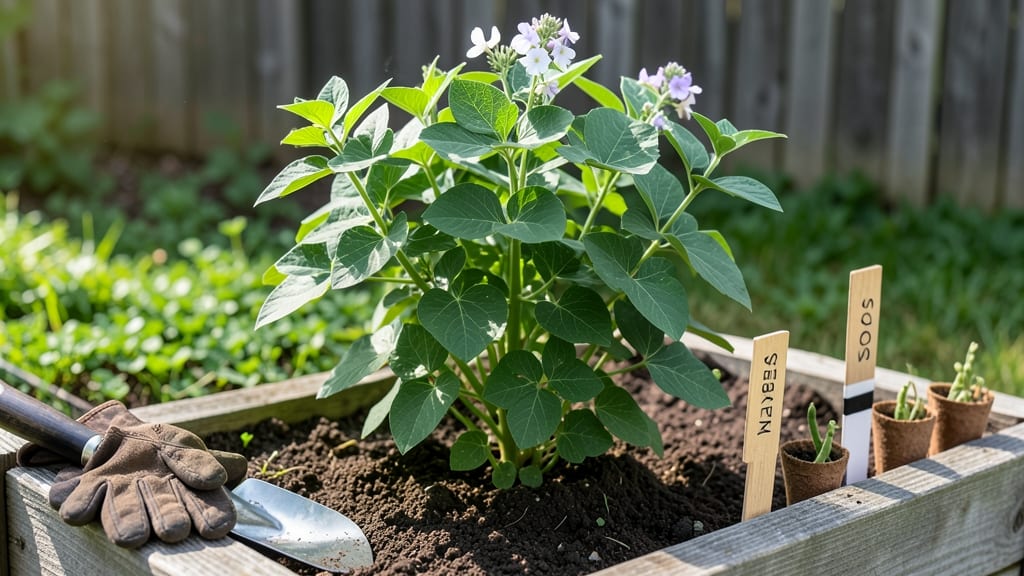
Timing your soybean planting in Missouri can make the difference between a bountiful harvest and a wasted effort. The key window—mid-April to early June—aligns with the state’s 5b-6b zones, but even a few days off can spell trouble for your 🌱 crops.
Late frosts in northern Missouri or dry spells in the south demand precision, not guesswork.
If you’ve ever watched your soybean seedlings wilt after a surprise frost or struggled with uneven growth, you know how critical timing is. Missouri’s climate throws curveballs, but understanding your specific zone’s last frost date—typically around April 15—gives you the edge.
I’ll break down exactly when to plant for your corner of the state, so you can avoid common pitfalls and maximize your yield.
Whether you’re a commercial farmer or a home gardener, getting soybeans in the ground at the right moment is non-negotiable. We’ll cover soil temperature thresholds, regional variations, and even what to do if spring delays strike.
By the end, you’ll have a clear, actionable plan to turn Missouri’s growing season into your soybean advantage.
Ready to stop second-guessing and start planting with confidence? Let’s dive into the frost-free timeline that’ll set your soybeans up for success—no matter where you are in the state.
Missouri soybean planting zones: frost-free dates by region for optimal germination
Missouri’s diverse climate—from the cool northern regions near St. Louis to the warmer southern areas like Sedalia—creates distinct planting windows for soybeans. Understanding your USDA hardiness zone (5a-7a) helps avoid frost damage while maximizing yield.
In northern Missouri (zones 5a-5b), last frost typically arrives by April 15-30, while southern Missouri (zones 6a-7a) sees frost-free conditions as early as March 15-25.
Soybeans thrive when soil temperatures reach 50°F+, but germination slows below 60°F. In central Missouri (zones 5b-6a), like Columbia or Jefferson City, aim for planting between April 20-30 to balance frost risk and growing season length.
Always verify local frost dates using the Missouri Climate Center or Almanac for your county.
Here’s how Missouri’s zones break down for soybean planting:
| Zone | Avg. Last Frost | Ideal Planting Window | Soil Temp. Threshold | Zone Risks |
|---|---|---|---|---|
| 5a (North) | April 20-30 | May 1-15 | 60°F+ | Late frosts, shorter season |
| 5b (Northeast) | April 15-25 | April 25-May 10 | 60°F+ | Unpredictable spring temps |
| 6a (Central) | April 1-15 | April 15-May 5 | 55°F+ | Moderate frost risk |
| 6b (Southwest) | March 20-April 5 | March 25-April 15 | 50°F+ | Early planting possible |
| 7a (Southeast) | March 10-20 | March 15-April 5 | 50°F+ | Long growing season |
For northern Missouri, prioritize early-maturing varieties (e.g., AGS 4401) to compensate for shorter seasons. In southern Missouri, you can extend planting into early June if using longer-season varieties like Pioneer 93B15. Always adjust for soil moisture—dry conditions delay germination even after frost risk passes.
Missouri’s Mississippi River Valley (e.g., Hannibal) often experiences 10-14 days later frost dates than inland areas. Use a soil thermometer to confirm 60°F+ before planting, as cold soil stunts seedling growth. Pro tip: Warm the soil faster by covering beds with black plastic mulch 1-2 weeks before planting.
If you’re in zone 5a and face late May frosts, consider row covers or elevated beds to protect young plants. For zone 7a, you can even plant a second crop in July for a fall harvest, though yields will be smaller.
Always monitor the National Weather Service for extended forecasts.
Missouri State University Extension recommends planting no later than June 10 in most zones to avoid maturity risks. Late plantings may not reach full yield potential, especially in northern counties where the first frost arrives by October 15.
Use this zone guide to align your planting with local climate patterns and maximize your soybean harvest.
🌱
5 Critical factors that determine the best soybean planting time in Missouri
Missouri’s climate throws curveballs—soil can warm unevenly, rains delay planting, and late frosts sneak in. Beyond just frost dates, 5 key factors dictate your soybean planting success. Ignore them, and even the perfect timing window becomes useless. Let’s break down what truly matters for Missouri’s variable growing conditions. Soil temperature isn’t just a number—it’s the difference between germination success and wasted seeds. Soybeans need consistent soil temps above 50°F for 2+ weeks before planting. In northern Missouri (zones 5a-5b), this often means waiting until mid-to-late May, while southern zones (6a-6b) can start as early as early April. Use a soil thermometer to verify—never guess!🌱 Did You Know? Soybean seeds planted in 50°F soil may take 2-3 weeks to sprout, while 60°F+ soil cuts that to just 5-7 days. The rush to plant early often backfires here.
Moisture levels matter more than most gardeners realize. Soybeans need well-drained but consistently moist soil during germination—dry conditions cause seeds to rot, while waterlogged soil suffocates roots. In Missouri’s clay-heavy soils, pre-plant irrigation (1-2 inches of water) 2-3 days before sowing creates the ideal seedbed.
Test your soil’s moisture by squeezing a handful—it should hold together but not drip.
Seed depth sounds simple, but 1.5-2 inches is non-negotiable for Missouri’s climate. Planting too shallow risks desiccation during dry spells, while burying too deep delays emergence. Use a seed plate or ruler to ensure uniform depth—especially critical if you’re direct-seeding large acres.
Pro tip: In sandy soils (common in southwest MO), aim for the upper limit (1.5 inches) to prevent drying.
⚠️ Warning: Post-emergence herbicide timing is the #1 mistake Missouri soybean growers make. If you’re using pre-emergence herbicides, apply them within 24 hours of planting. For post-emergence, wait until soybeans have 2-3 true leaves—any earlier, and you’ll burn your seedlings.
Always check herbicide labels for Missouri-specific re-entry intervals, especially if you’re growing edible varieties.
Maturity group selection ties directly to your planting window. Missouri’s short-season varieties (Groups 00-2) need to be planted by May 1 to mature before frost, while full-season types (Groups 3-4) can handle later plantings.
Use this rule of thumb: Subtract your first frost date (Oct 15) from your variety’s days-to-maturity, then work backward. For example, a 100-day variety planted on June 5 might not reach maturity before frost in northern MO.
💡 Key Takeaway: Missouri’s soybean planting isn’t just about dates—it’s about soil temperature consistency, moisture management, precise seed depth, herbicide timing, and maturity group math.
Master these, and you’ll outperform neighbors who rely solely on frost charts. Start with a soil test and thermometer—they’re your best tools against Missouri’s climate unpredictability.