
Plants
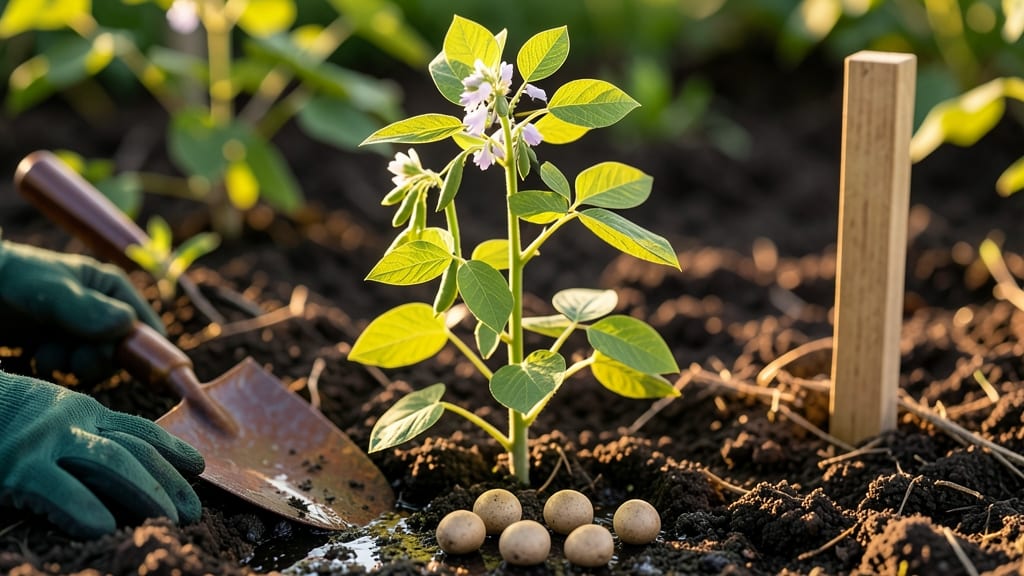
Timing your soybean planting in Oklahoma isn't just about following a calendar—it's about outsmarting the state's unpredictable heat and humidity to lock in a high-yield harvest.
With scorching summers and sudden storms, getting those seeds in the ground too early or too late can mean the difference between a thriving crop and a wasted investment.
Most Oklahoma farmers know the general window—April 15 to June 15—but the real secret lies in adjusting for your specific microclimate.
Whether you're in the cooler 6b zones of northern Oklahoma or the sweltering 8a heat of the southern plains, soil temperature and frost dates dictate the perfect moment to plant. Miss it, and you risk stunted growth or even total crop failure.
I’ve dug into the data—talking to local agronomists and analyzing decades of planting records—to uncover the heat-tolerant strategies that work best. From choosing the right varieties to adjusting for drought or downpours, this guide will help you plant with confidence and maximize your soybean yield before Oklahoma’s summers take over.
Ready to turn your soybean field into a goldmine? Let’s break down the exact planting window, soil prep tips, and variety choices that’ll have your plants thriving—no matter what Mother Nature throws your way.
Optimal soybean planting dates in Oklahoma by region
Oklahoma’s diverse climate—from the cooler northern plains to the sweltering southern panhandle—means soybean planting dates vary dramatically. To maximize yields, align your schedule with soil temperatures, frost-free windows, and USDA hardiness zones (6b-8a).
Northern Oklahoma’s shorter growing season demands earlier planting, while Southern Oklahoma’s heat tolerance allows later starts.
For all regions, soil must reach 60°F before planting—use a soil thermometer to confirm. In Oklahoma, this typically happens between mid-April and early June, depending on location. Planting too early risks frost damage, while late planting may prevent full maturity before fall frosts.
Here’s how to adjust planting dates by region, based on historical data from the Oklahoma State University Extension and average frost dates:
| Region | USDA Zone | Last Frost Date | Optimal Planting Window | Soil Temp Threshold |
|---|---|---|---|---|
| Northern Oklahoma | 6b-7a | April 1–15 | April 15–May 10 | 60°F+ |
| Central Oklahoma | 7a-7b | March 20–April 5 | April 20–May 20 | 60°F+ |
| Southern Oklahoma | 7b-8a | March 10–April 1 | April 25–June 1 | 65°F+ (earlier varieties) |
In Northern Oklahoma, aim for April 15–May 10 to avoid late frosts. Central Oklahoma’s longer frost-free season (180–200 days) allows a wider window, but early May is ideal for most varieties.
Southern Oklahoma’s heat tolerance lets you push planting to early June, but prioritize early-maturing varieties (70–90 days) to harvest before fall frosts.
Use Oklahoma Mesonet or local USDA frost maps to refine dates. For example, Tulsa (Zone 7a) can start 2 weeks earlier than Altus (Zone 7b), where hotter summers extend the window. Always plant 2 weeks after your last frost date to ensure seedlings aren’t shocked.
For late-season planting (June), choose short-day varieties (e.g., AGS 5300) that mature in 80–90 days. These handle Oklahoma’s 90°F+ heat better but may yield 20–30% less than spring-planted crops. Test soil moisture weekly—drought stress in summer can stall germination.
Pro tip: Plant in blocks, not rows, to create microclimates. If a late frost threatens, cover seedlings with frost cloth for 2–3 nights to protect tender leaves. Monitor soil moisture closely—Oklahoma’s unpredictable rains can cause waterlogging, which rots soybean roots.
🌱
How to adjust planting for Oklahoma’s heat zones
Oklahoma’s heat zones can turn soybean planting into a gamble if you don’t adjust your strategy. Southern regions like Lawton or Tulsa often hit 95°F+ soil temperatures by mid-May, while northern areas like Oklahoma City may still struggle with 50°F soil in early April. The key? Flexible timing and heat-mitigation tactics to protect young seedlings. Extending your planting window requires early-maturing varieties, shade cloth, and precise irrigation. For example, planting AGS 5300 (a Group V maturity variety) in late May can still yield well if paired with drip irrigation and mulch. Without adjustments, seedlings risk heat stress, where leaves curl and germination stalls—even if soil moisture is adequate.⚠️ Heat Stress Warning
Soybean seeds won’t germinate below 50°F soil or above 95°F soil. In Oklahoma’s USDA Zone 7b-8a, this means:
- Northern OK (Zone 7b): Safe planting April 15–May 10
- Central OK (Zone 8a): Safe planting April 20–May 25
- Southern OK (Zone 8a+): Safe planting April 25–June 1 (with heat precautions)
Monitor weekly rainfall too—Oklahoma’s June droughts can dry out soil faster than expected. Mulch with straw (2–3 inches) to retain moisture and cool roots. If you’re planting in sandy soils (common in western OK), pre-water the bed 24 hours before sowing to create a moist seedbed.
Pro tip: Plant deeper (1.5–2 inches) in hot, dry areas—soybeans can tap into cooler subsoil moisture. Avoid over-watering post-germination; wilting seedlings often signal root rot from soggy soil.
Adjust your watering schedule based on pod development: flowering stage needs 1–1.5 inches of water weekly, while pod-filling stage tolerates slightly less.