
Plants
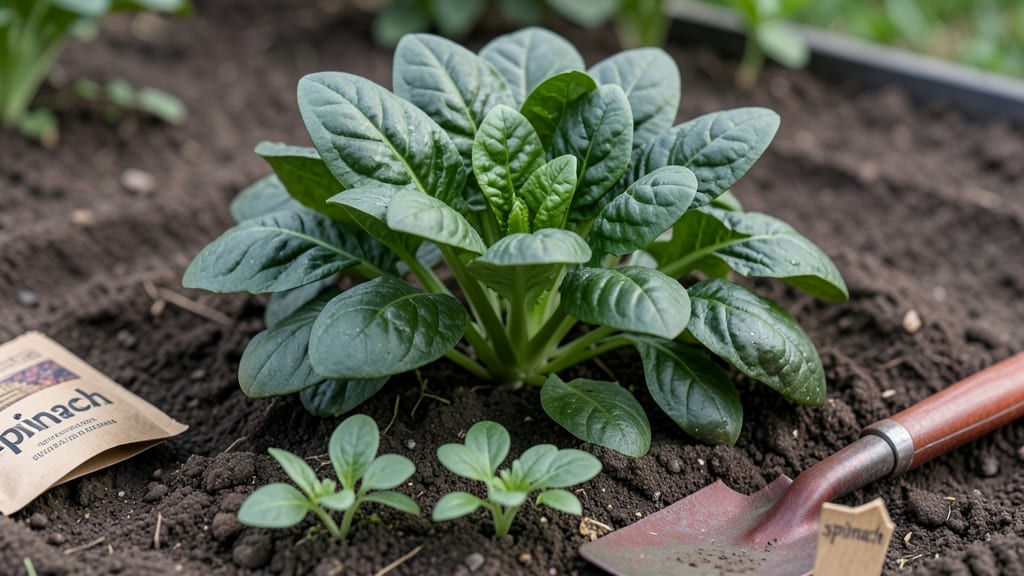
Timing your fall spinach planting can mean the difference between a bumper crop of tender 🥬 and a bitter, bolted mess. The 4-6 week window before frost isn't just a suggestion—it's the sweet spot where cool weather and daylight align perfectly for your garden's best performance.
If you're in USDA Zone 6a (or similar temperate regions), that means getting seeds in the ground by mid-September at the latest. Plant too early, and your spinach will bolt from the summer heat; too late, and frost will turn your harvest into a sad, icy memory.
The key is understanding your local frost dates and adjusting your schedule accordingly.
But here's the good news: with the right approach, you can extend your harvest well into winter. We'll cover everything from soil prep to spacing tips that keep your spinach thriving—plus how to protect your crop when temperatures drop.
Let's make sure your fall garden delivers the freshest, most flavorful 🥬 you've ever grown.
Whether you're a first-time gardener or a seasoned green thumb, these insights will help you avoid common pitfalls and maximize your yield. Ready to turn your backyard into a spinach powerhouse? Let's get started.
Fall spinach planting schedule by USDA hardiness zones
Timing your spinach for fall harvest means planting 4-6 weeks before first frost, but exact dates vary by USDA zone. Coastal areas often have milder winters, while inland zones freeze earlier.
Use this schedule to align your planting with your local climate for a successful harvest before winter sets in.
In USDA Zones 3-5, where winters are harsh, aim to plant spinach seeds 6-8 weeks before first frost (typically mid-August to early September). These zones experience earlier frosts, so starting early ensures your greens mature before the ground freezes.
For Zones 6-8, plant 4-6 weeks before frost (late August to mid-September), allowing time for growth without rushing.
Southern gardeners in Zones 9-10 have flexibility—plant spinach in September or even early October for a winter harvest. These areas rarely face hard freezes, so you can extend your growing season longer. Always check your local first frost date to fine-tune your schedule.
| USDA Zone | Planting Window | Notes |
|---|---|---|
| Zones 3-5 | Mid-August to early September | Early frost risk; use row covers for protection. |
| Zones 6-8 | Late August to mid-September | Balanced timing; ideal for most gardeners. |
| Zones 9-10 | September to early October | Mild winters; can harvest into winter. |
For coastal regions, adjust your schedule 1-2 weeks later than inland areas. Coastal zones often experience warmer microclimates due to ocean influence, delaying frost. For example, if your inland neighbor plants in early September, you might wait until mid-September to avoid heat stress on young seedlings.
Microclimates also play a role. If your garden sits in a sunken area or near a body of water, it may stay warmer longer. Use these spots to extend your growing season by planting spinach slightly later than the general zone guidelines.
Conversely, elevated or windy areas freeze faster, so plant earlier to compensate.
Soil temperature is critical—spinach germinates best at 45-85°F, but ideal growth occurs in cooler temperatures (50-70°F). Test your soil with a thermometer before planting. If it’s above 80°F, wait until temperatures drop to avoid bolting (premature flowering). Early fall often brings perfect conditions for spinach.
Pro tip: Use shade cloth if planting in late summer to protect seedlings from intense afternoon sun. This mimics cooler fall conditions and helps prevent bitter-tasting leaves. Pair this with consistent watering to keep soil moist but not soggy, as spinach hates drought stress.
Once planted, harvest spinach in 6-8 weeks for tender leaves. In colder zones, you may only get one harvest before frost, while milder climates allow for multiple cuttings. Always harvest outer leaves first to encourage regrowth and extend your harvest window.
Remember, fall spinach is all about balance—plant too early and it bolts; too late and frost ruins your crop. With the right timing, you’ll enjoy fresh, homegrown greens well into winter. Happy planting! 🥬
Signs your spinach is ready for fall planting (and how to avoid common mistakes)
Fall spinach thrives when temperatures dip, but planting too soon triggers bolting—when plants rush to flower instead of producing tender leaves. Watch for these soil temperature clues: ideal planting occurs when nighttime temps stay above 40°F (4°C) but daytime highs drop below 75°F (24°C).
Use a soil thermometer to confirm—spinach roots need cooler soil (50-60°F / 10-15°C) to thrive.
Daylight hours also signal readiness. Spinach prefers shorter days (12-14 hours of light), so aim for late August or early September in most regions.
If your area gets frost earlier (like USDA Zone 5), start seeds indoors 4-6 weeks before your target transplant date to align with these conditions. Coastal areas may extend planting 2-3 weeks later due to milder microclimates.
⚠️ 3 Critical Mistakes That Ruin Fall Spinach
- Overcrowding: Plant seeds 1 inch apart, thin to 4-6 inches—too close = stunted growth.
- Poor Drainage: Spinach rots in soggy soil. Amend beds with compost for aeration.
- Ignoring Frost Dates: Plant 4-6 weeks before first frost—not earlier. Use local frost calculators!
Seedling readiness is another key sign. Healthy spinach seedlings have 2-3 true leaves (not just cotyledons) and sturdy stems. If they look leggy or pale, they’ve stretched for light—transplant deeper to cover stems or provide shade cloth until they acclimate.
Avoid planting when seedlings are yellow or wilted, as this signals stress from heat or drought.
Soil pH matters too. Spinach prefers slightly acidic to neutral soil (6.0-7.0 pH). Test your soil—if it’s below 6.0, add lime; if above 7.0, mix in sulfur.
Poor pH causes nutrient deficiencies, like yellowing leaves (chlorosis). Work in 2-3 inches of compost before planting to boost fertility naturally.
Finally, watch for pests and diseases that thrive in fall’s damp conditions. Aphids and spinach beetles love young seedlings—spray with neem oil if you spot clusters. For fungal risks (like downy mildew), water at soil level (not overhead) and space plants for airflow.
Mulch with straw to keep leaves dry and deter slugs.
With these signs in mind, you’ll nail your fall spinach timing—no more bitter bolts or frost-lost crops! Start small, monitor conditions, and adjust as needed. Happy planting! 🥬